ALLPCB


In today’s fast-paced electronics industry, speed and precision in PCB assembly are critical factors for companies looking to bring their products to market quickly. ALLPCB has established itself as a leading fast PCB assembly manufacturer, providing high-quality and rapid turnaround PCB assembly services. With seven Siemens SMT production lines, including two high-speed placement machines and five medium-speed placement machines, ALLPCB is well-equipped to handle large-scale and complex assembly projects efficiently.
Seven Siemens SMT Production Lines: The Backbone of Speed
Our strength in fast PCB assembly comes from its seven Siemens SMT production lines, which significantly enhance its production capacity and efficiency. These include:
Two Siemens high-speed placement machines – These machines are designed to place electronic components at extremely high speeds, ensuring fast and precise assembly.
Five Siemens medium-speed placement machines – These machines provide a balance of speed and flexibility, handling a wide range of components and PCB designs.
By leveraging these advanced Siemens SMT lines, ALLPCB can efficiently process both high-volume orders and customized small-batch production, making it a versatile choice for different industries.
The use of high-speed SMT placement machines is especially beneficial for mass production projects, where thousands or even millions of components need to be placed on PCBs quickly and accurately. The precision and automation of these machines allow for minimal errors, reducing the need for manual adjustments and increasing overall efficiency.
Highly Automated SMT Assembly Process
Automation is a key factor that sets ALLPCB apart from traditional PCB assembly manufacturers. The SMT assembly process in ALLPCB’s factory is managed using cutting-edge automation technologies, which significantly reduce manual intervention, human error, and production delays.
The SMT assembly workflow at ALLPCB includes:
-
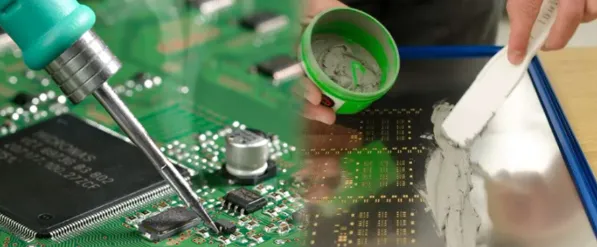
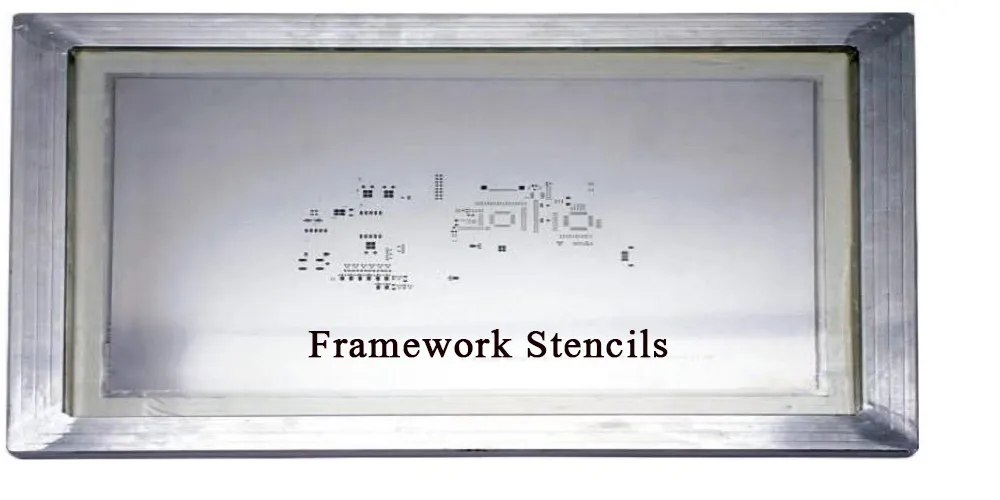
Automated Solder Paste Printing – Ensuring precise application of solder paste on PCBs.
-
Component Placement via High-Speed Pick-and-Place Machines – Siemens high-speed and medium-speed placement machines are used to place components accurately.
-
Reflow Soldering – Carefully controlling the soldering process to create strong electrical connections.
-
Automated Optical Inspection (AOI) – Detecting defects in real time to maintain high quality.
-
X-ray Inspection (For Complex Boards) – Ensuring hidden solder joints and BGA (Ball Grid Array) components are properly soldered.
The combination of Siemens high-speed SMT machines and advanced automation ensures that ALLPCB can consistently deliver high-quality PCB assemblies with fast turnaround times.
Comprehensive SMT and DIP Assembly Capabilities
ALLPCB not only specializes in SMT assembly but also provides DIP assembly, which is essential for handling through-hole components. The factory is equipped with:
-
Wave Soldering Machines – Used for DIP components, ensuring strong solder joints.
-
Automated Reflow Ovens – Controlling temperature profiles for consistent soldering.
-
Automatic Solder Paste Printers – Ensuring precise application of solder paste.
-
X-ray Inspection Systems – Verifying solder joints for hidden and complex components.
With its advanced DIP assembly capabilities, ALLPCB can handle a wide range of electronic components, including those that require manual soldering techniques. This versatile production capability allows the company to meet the demands of different industries, from consumer electronics and medical devices to industrial equipment and automotive electronics.
Fast Turnaround with Efficient Supply Chain Management
One of the biggest advantages of ALLPCB is its ability to deliver PCB assembly orders in record time. This is made possible by:
-
Advanced Siemens SMT Production Lines – Ensuring fast and precise placement of components.
-
Automated Manufacturing Processes – Reducing production time and minimizing errors.
-
Strong Supply Chain Management – Allowing for fast procurement of PCB components.
-
Efficient Logistics Network – Ensuring rapid shipping and delivery of completed PCBAs.
ALLPCB has built a well-optimized supply chain, working with trusted component suppliers to source electronic parts quickly. This ensures that PCB assembly projects do not experience delays due to component shortages.
Furthermore, real-time production monitoring allows customers to track their orders and stay informed about progress, ensuring transparency and reliability in the manufacturing process.
Strict Quality Control for Reliable PCBA Production
Despite the focus on speed, ALLPCB does not compromise on quality assurance. Every PCB assembly project goes through a rigorous quality control process to ensure high performance and reliability.
ALLPCB’s quality control measures include:
-
Automated Optical Inspection (AOI) – Checking for misplaced components, soldering defects, and other potential issues.
-
X-ray Inspection – Verifying hidden solder joints for BGAs and other complex components.
-
Functional Testing – Ensuring that assembled boards operate correctly before shipping.
The combination of Siemens SMT technology, automated inspection systems, and strict quality standards allows ALLPCB to consistently deliver high-quality PCBAs that meet customer specifications.