ALLPCB


Packaging a conversational AI into a palm-sized AR device
What if you could package ChatGPT into a palm-sized augmented reality device?
That device already exists: Monocle. The $349 open hardware AR module is made by Brilliant Labs, clips onto standard eyeglasses, fits in the palm of a hand, and stores in a supplied charging case. CEO Bobak Tavangar called the device "cute" and suggested it could provide an accessible entry point for people who want to try AR.
Monocle's open design enables AI experiments
Monocle drew attention in March 2023 when a head-up display project named RizzGPT using ChatGPT went viral on Twitter. A group of Stanford students posted the project on GitHub to explore how ChatGPT could assist in face-to-face conversation. The project, described as "charisma as a service (CaaS)," used an AI agent that recognized friends via Monocle's built-in camera and suggested conversational topics based on recent messages.
Although partly playful, the project highlights the motivation behind Monocle's open approach. Monocle prioritizes affordability, accessibility, and developer friendliness rather than immersive interaction, raw performance, or graphical fidelity. Those priorities contrast with larger, more complex AR headsets such as Microsoft HoloLens, Vuzix Blade, and Nreal Air.
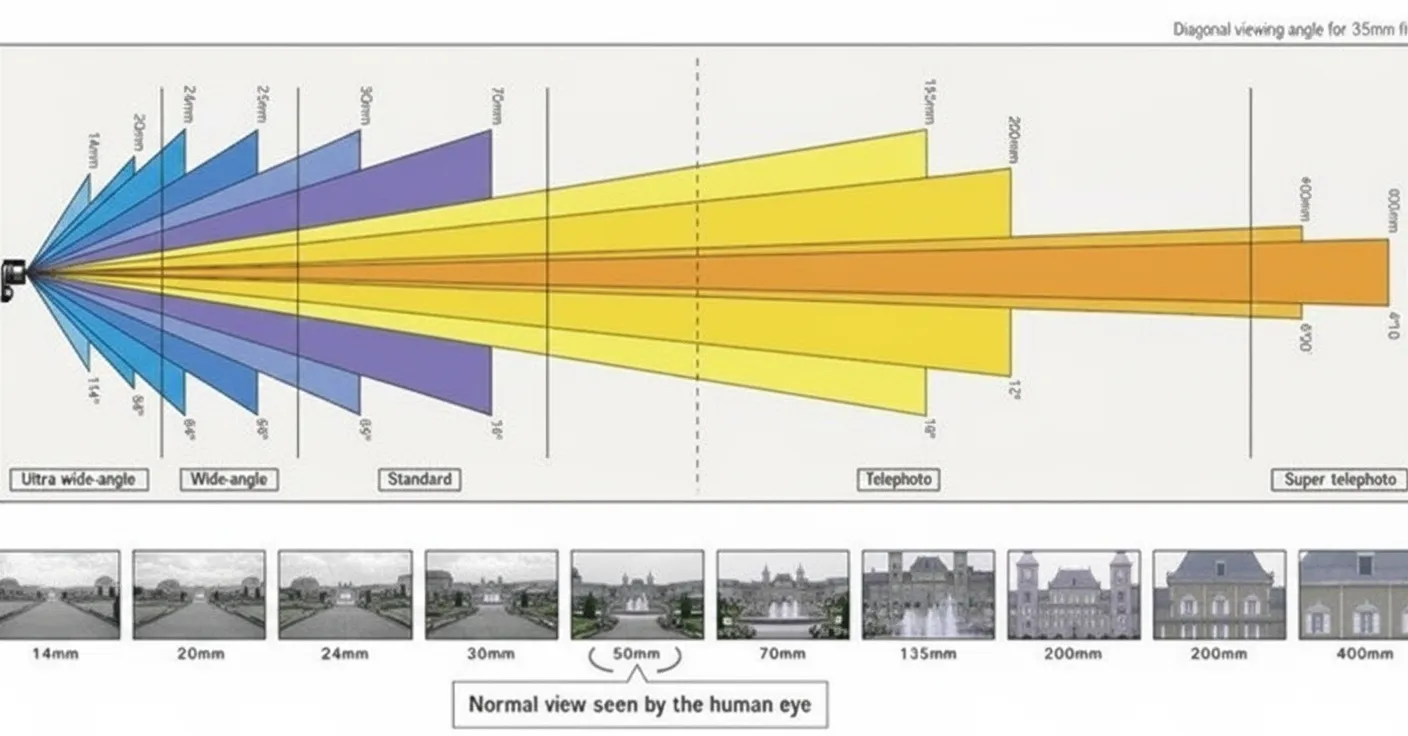
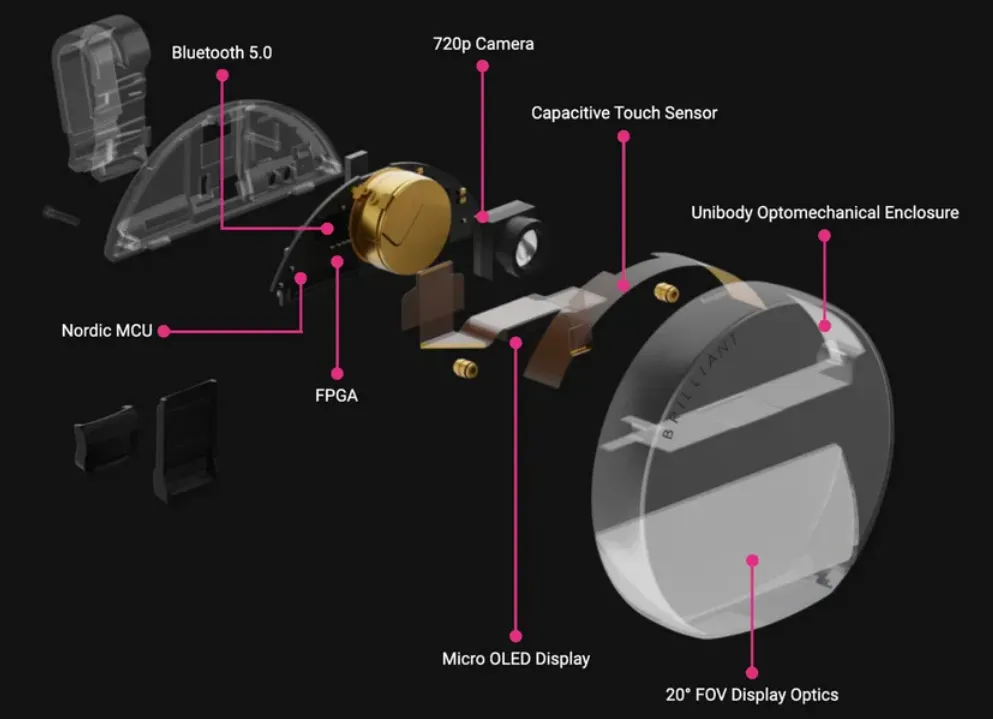
Monocle includes a small 640×400 pixel OLED display and a narrow 20° field of view, which produces a less immersive visual experience than alternatives with wider fields of view. However, when a text-based interface can access AI services, that limitation becomes less important. Tavangar referenced the 2013 film Her, where an intelligent assistant named Samantha interacts solely by voice. RizzGPT is not comparable to Samantha in capability, but the user-interface idea is similar: a conversational AI available through a compact wearable.
Tavangar suggested, "If multitouch was the enabling technology for the iPhone and helped enable the modern smartphone, then we may view AI as the multitouch for AR."
Brilliant Labs has also embraced open-source principles to lower the barrier for AI development. The company offers a drag-and-drop interface called StreamLogic that connects to the Monocle's onboard field-programmable gate array (FPGA). The FPGA interfaces with the camera, microphone, and display, allowing developers to build AI applications. According to Tavangar, StreamLogic makes developing for Monocle "almost like building with LEGO," and it can host applications such as scanning physical environments or product barcodes, among other uses.
Monocle's physical design schematics and 3D files are available for download, which should help developers modify and customize the hardware. Monocle launched in February 2023, but the long-term impact of this open approach remains to be seen. Other open hardware projects, such as the MNT Reform and Pocket Reform laptops, have shown the potential benefits of community-driven design improvements.
Open source could benefit from Apple's entry
Brilliant Labs' decision to open-source Monocle sets it apart from the expensive, closed AR and VR headsets typically on the market.
Anshel Sag, chief analyst at Moor Insights & Strategy, noted that open-source activity in AR is limited. He pointed out that the Khronos Group offers OpenXR as an open VR/AR API, but said that "most functionality is in VR and less so in AR." Recent moves toward open source by some vendors have not eliminated the high price barriers of many AR devices.
Rumors about an Apple mixed-reality headset intensified in 2021 and continued to circulate, with some reports suggesting a public reveal at a later Apple developer event. Apple already has a significant presence in AR through ARKit, an API for developing AR on most iPhone and iPad devices. ARKit is powerful but effectively limited to Apple hardware, while open alternatives such as Khronos' OpenXR do not support iOS. That fragmentation poses a challenge for developers, because choosing to support one API can mean compromising support for another. An Apple headset could amplify that fragmentation.
Still, Sag suggested that an Apple product might increase interest in open approaches, particularly given Apple's control over its developer ecosystem and monetization. While many developers will continue to use Apple's platform, a broader market could also raise demand for open solutions.
Tavangar, who previously led projects at Apple, agreed that Apple's entry could inject new investment and innovation into a relatively stagnant AR industry. "We welcome Apple's participation in the space," he said.