ALLPCB


Overview
As vehicle electrification and connectivity increase, the future of head-up displays (HUD) is changing rapidly. Augmented reality head-up displays (AR-HUD) have become a key element in modern cockpits, helping to present driving-assistance and safety information that enhances the overall driving experience. Several technical points should be considered when designing the next generation of AR-HUD systems.
Field of View (FOV) and Virtual Image Distance
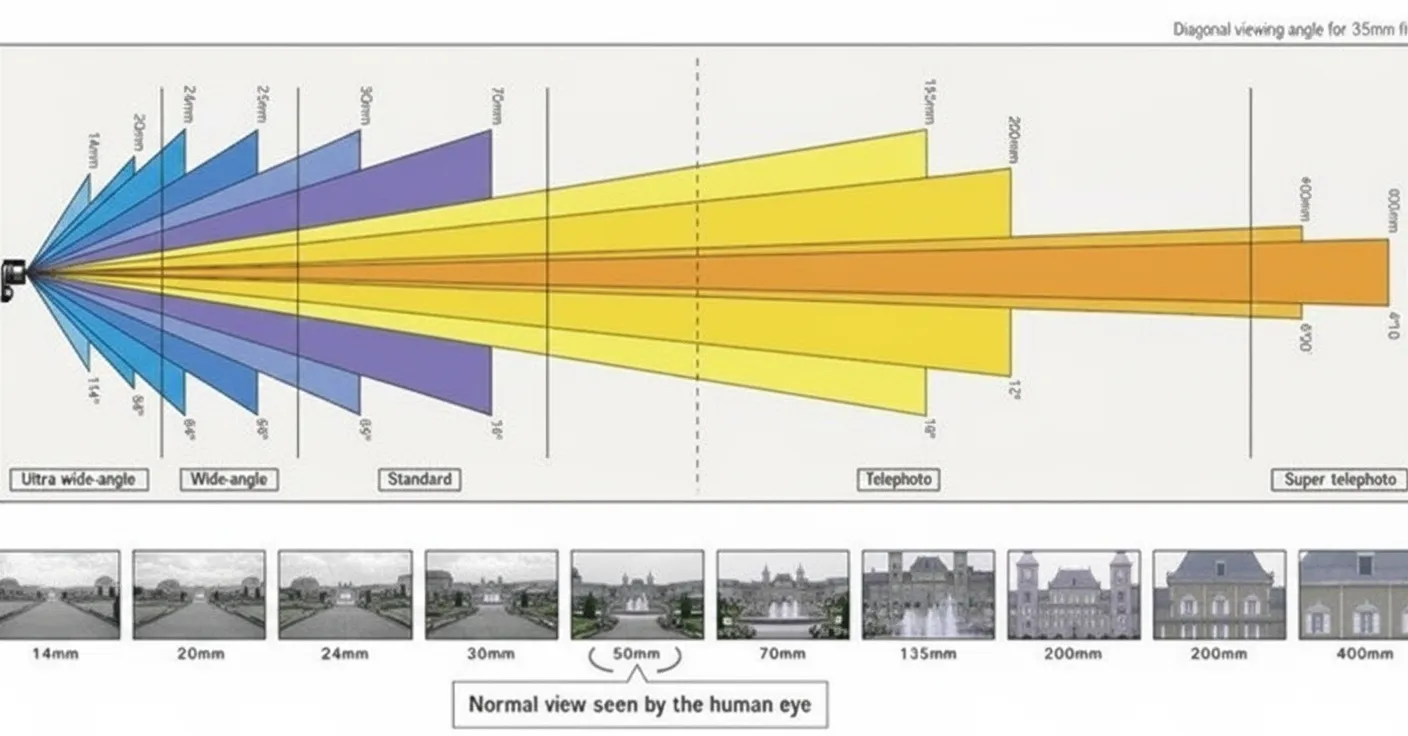
Field of view is a critical parameter for AR-HUD solutions because it directly affects the apparent size of images seen by the driver. Texas Instruments (TI) DLP technology, such as the DLP4620S-Q1 DMD, can achieve a FOV of more than 15 degrees, enabling projection of information across multiple lanes.
Virtual image distance denotes how far the projected image appears from the driver, i.e., how far ahead the projection seems to be. This is especially important at higher speeds because drivers need early awareness of road obstacles. A longer virtual image distance (greater than 7.5 meters) can significantly reduce dizziness caused by convergence when switching visual focus between the HUD and the actual scene, and it reduces movement parallax caused by vehicle vibration or driver posture changes. That leads to more accurate AR fusion and a safer driving experience. Current AR-HUD designs using DLP chips can project images at distances from about 2 to 20 meters, significantly extending the virtual image distance compared with traditional HUDs, as shown in Figure 1.
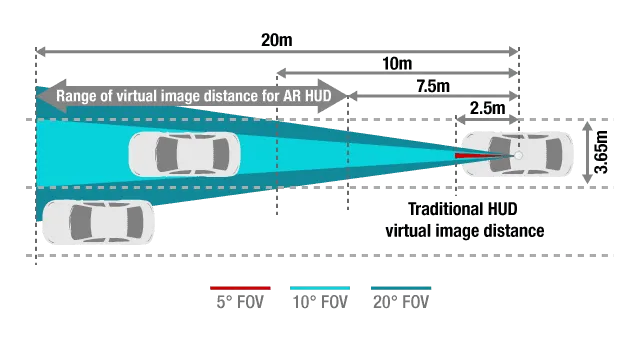
Figure 1: AR-HUD image distance range using DLP technology
Image Quality
Image quality is not equivalent to higher resolution alone. It depends on multiple variables including refresh rate, color depth, and brightness. Unlike cinema environments, the outdoor and often unpredictable conditions encountered by vehicles make controlling image quality challenging. Because lighting conditions differ between daytime and nighttime, automotive AR-HUD solutions must maintain accurate color depth and consistent high contrast so projections remain legible under a wide range of driving conditions.
For example, automotive-grade DLP chipsets such as the DLP4620S-Q1 can be used with LEDs or lasers and optical systems to achieve high color saturation, up to about 125% NTSC color gamut. DMDs can also support ultra-high brightness levels exceeding 15,000 cd/m2 and dynamic dimming ratios above 5000:1. With newer filled-mirror-via (FMV) pixel processes, contrast can be improved by more than 35% without changing system architecture. These characteristics help deliver vivid images across various environments.
Development Options
Most automotive AR-HUD solutions require collaboration among multiple developers to meet product and customer requirements. AR-HUD is part of an integrated system that typically includes advanced driver assistance systems (ADAS) and other subsystems; coordinated operation among these components is necessary to provide an improved driving experience. Chip vendors and their ecosystems commonly offer design resources and partner networks to support DLP-based implementations.
Conclusion
AR-HUD projects relevant data onto the windshield so drivers can access information such as speed and obstacle warnings while keeping attention on the road ahead. As vehicle connectivity increases, AR-HUD can contribute to improved safety and a better overall driving experience. DLP technology continues to advance in resolution, brightness, efficiency, contrast, and color performance, supporting the design of next-generation AR-HUD systems.