ALLPCB


Introduction
Electronic hobbyists often face challenges when applying solder paste to printed circuit boards during small-batch assembly or rework projects. Traditional metal stencils can be expensive and overkill for prototypes or limited production runs. Mylar stencils provide a practical alternative that balances affordability with functionality for these users. They consist of a thin polyester film material that can be precisely patterned to match PCB pad layouts. This approach allows hobbyists to achieve consistent paste deposition without investing in high-cost tooling. Many DIY enthusiasts turn to mylar options when working on custom boards or repairing existing assemblies where volume does not justify premium equipment.
What Is a Mylar Stencil and Why It Matters for Hobbyists
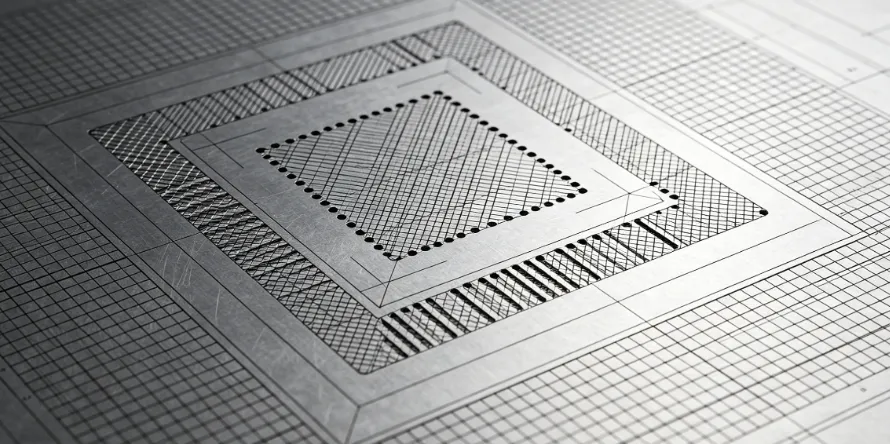
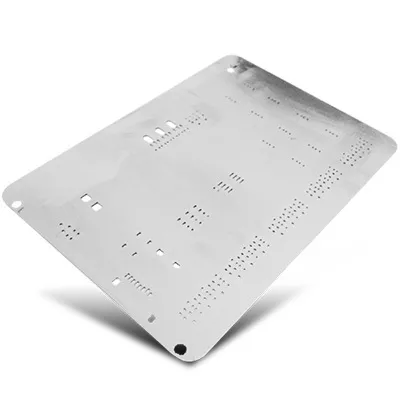
A mylar stencil is a flexible sheet made from polyester film with laser-cut or plotter-cut apertures that correspond to the solder paste areas on a PCB layout. The material offers durability and resistance to common cleaning solvents used in electronics work. For hobbyists engaged in stencil for hobbyists applications, this option reduces expenses compared to stainless steel alternatives while still supporting accurate paste transfer. Low-cost stencil solutions like these become especially relevant during iterative design phases where multiple board revisions may occur. Stencil material for DIY PCB projects enables users to maintain quality in paste application without specialized factory resources. The flexibility of mylar also simplifies handling on irregular or prototype boards where rigid stencils might not conform as easily.

Technical Principles of Mylar Stencil Use in PCB Assembly
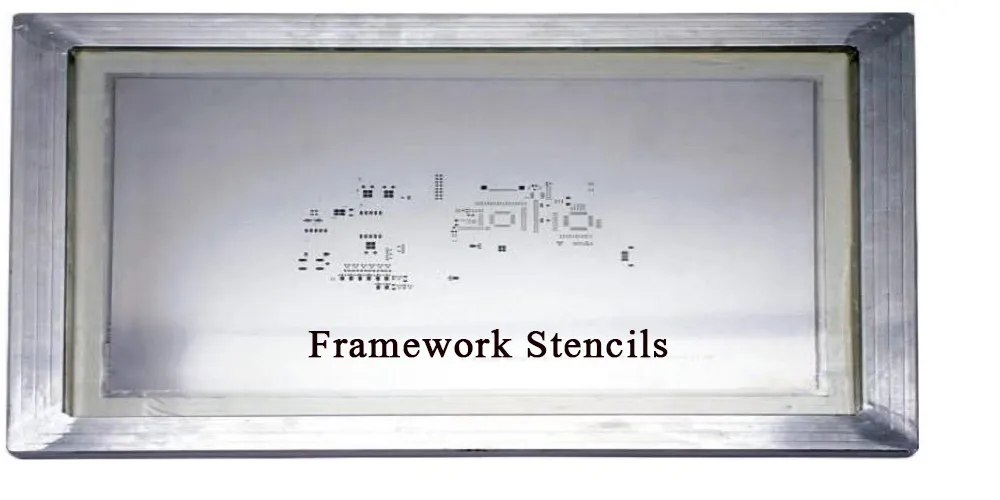
Solder paste application relies on the stencil acting as a mask that controls the volume and placement of paste on component pads. The apertures in the mylar film allow paste to be squeegeed through onto the board surface below. Polyester film maintains structural integrity during repeated use and cleaning cycles typical in hobbyist workflows. Thickness and aperture design influence the amount of paste deposited, which affects joint formation after reflow. Hobbyists working with stencil material for rework appreciate the ability to align the flexible sheet manually or with simple fixtures on smaller boards. Proper tensioning during use helps prevent paste smearing or incomplete transfer that could lead to defects.
Industry guidelines such as IPC-7525 provide recommendations on stencil design parameters to support reliable deposition across various board types. These principles apply equally to prototype work where consistency remains important despite lower volumes.
Practical Solutions and Best Practices for Hobbyists
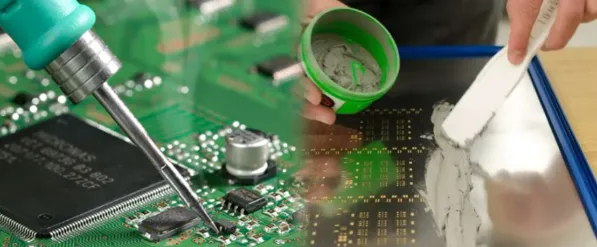
Selecting mylar for small-batch projects begins with ensuring the film thickness and cut quality match the pad sizes and spacing on the target PCB. Users typically secure the stencil over the board using alignment pins or tape to maintain registration during paste application. A metal or plastic squeegee moved at a consistent angle and pressure helps fill the apertures evenly without excess buildup. After printing, the stencil should be cleaned promptly with appropriate solvents to avoid residue buildup that could affect future prints.
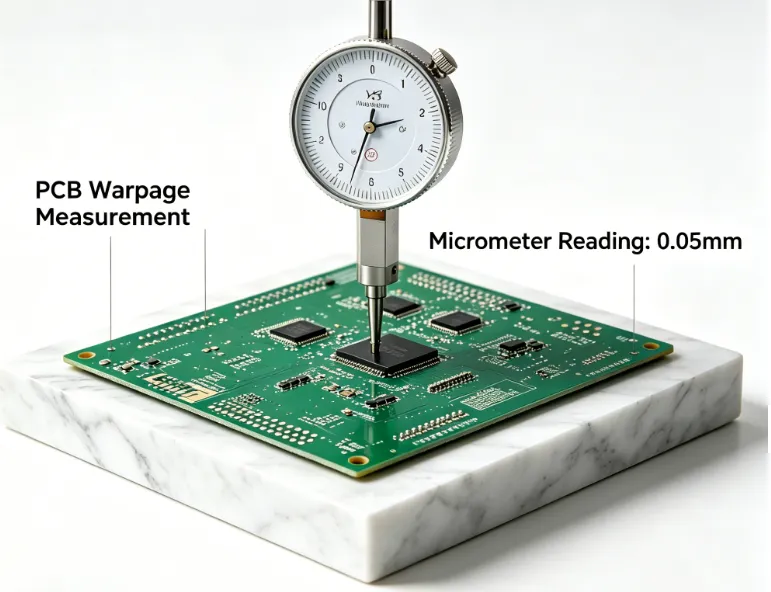
For rework scenarios, mylar stencils allow targeted paste application on specific areas without disturbing surrounding components. Storage in a flat, clean environment preserves the material integrity between uses. Hobbyists benefit from testing paste volume on a scrap board first to refine technique before committing to the final assembly. When boards exhibit minor warpage, the inherent flexibility of mylar can accommodate slight surface variations better than rigid alternatives in some cases.
Troubleshooting Common Issues with Mylar Stencils
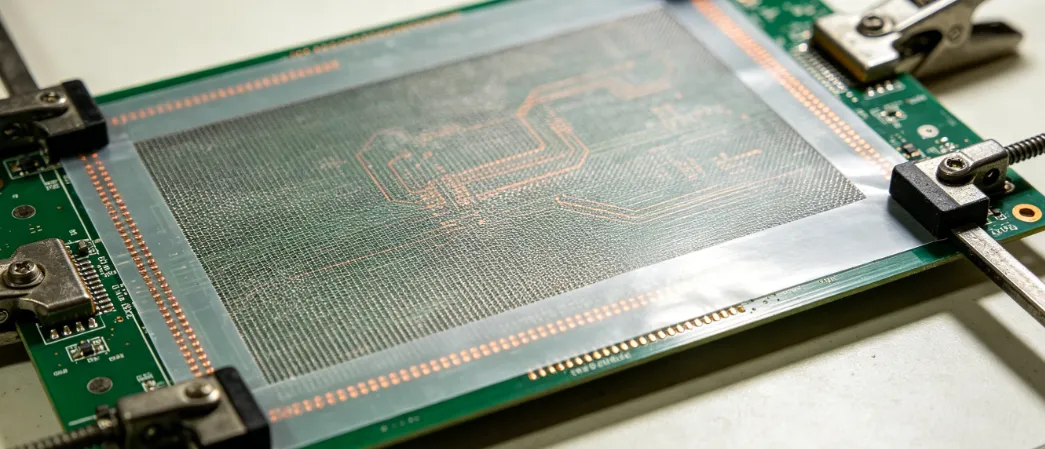
Incomplete paste transfer often results from insufficient squeegee pressure or misaligned apertures relative to the pads. Adjusting the angle of attack or adding light downward force during the print stroke can improve results. Paste bridging between closely spaced pads may occur if aperture design allows excess volume; reviewing the cut pattern against the original layout helps identify needed adjustments. Cleaning the stencil thoroughly between prints prevents dried paste from causing defects on subsequent boards.
In rework applications, ensuring the stencil remains flat against the board surface minimizes paste leakage under the film edges. Hobbyists working with stencil material for DIY PCB projects should inspect the film periodically for tears or stretching that could compromise accuracy over time. These steps support reliable outcomes without requiring advanced equipment.
Conclusion
Mylar stencils deliver a cost-effective method for hobbyists to perform solder paste printing on small-batch and prototype PCBs. Their flexibility, ease of use, and compatibility with manual processes make them suitable for both initial assembly and targeted rework. By following established design and handling practices, users can achieve consistent results that support high-quality solder joints. This approach aligns with broader industry expectations for acceptable assembly outcomes while keeping expenses manageable for individual projects.
FAQs
Q1: What makes mylar stencil suitable for hobbyists compared to other options?
A1: Mylar stencils offer an affordable and flexible solution for applying solder paste on small-batch or prototype boards. The polyester film material supports precise aperture patterns that match DIY PCB layouts while remaining easy to handle and clean. Hobbyists benefit from reduced costs without sacrificing the ability to produce functional assemblies.
Q2: How does stencil material for DIY PCB projects affect paste application quality?
A2: The choice of stencil material influences how evenly solder paste transfers onto component pads during printing. Mylar film provides sufficient durability for repeated hobbyist use and conforms reasonably to board surfaces. Proper alignment and squeegee technique remain essential regardless of material to achieve reliable deposition volumes.
Q3: When should stencil material for rework be considered over full-board printing?
A3: Stencil material for rework becomes useful when targeted paste application is needed on specific areas of an assembled board. Mylar options allow precise placement without requiring a full custom metal stencil for limited repairs. This approach helps hobbyists address issues like missing or damaged components efficiently.
Q4: What role do industry standards play in mylar stencil design for electronic hobbyists?
A4: Standards such as those outlined in IPC-7525 guide aperture sizing and overall stencil construction to promote consistent paste transfer. Hobbyists following these principles can improve the likelihood of acceptable solder joints even in low-volume work. Additional references like IPC-A-610 address the resulting assembly quality criteria.
References
IPC-7525 - Stencil Design Guidelines. IPC
IPC-A-610 - Acceptability of Electronic Assemblies. IPC