ALLPCB


Overview
Security systems for sports venues are a key part of stadium construction projects and a major concern for organizers and spectators. Venues hosting sporting events receive large numbers of spectators, athletes, managers, and service staff. Attendees have complex and dynamic identities, so preparations are required for verifying identities and tracking or investigating individuals of interest.
Security is a field that applies comprehensive technology, and access control is a critical component of any venue security system. A system integrator evaluated multiple specialized computer suppliers and selected a supplier's product line to integrate an electronic ticketing system with face recognition verification. The integrated system plays a central role in ticket inspection during events.
System Principle
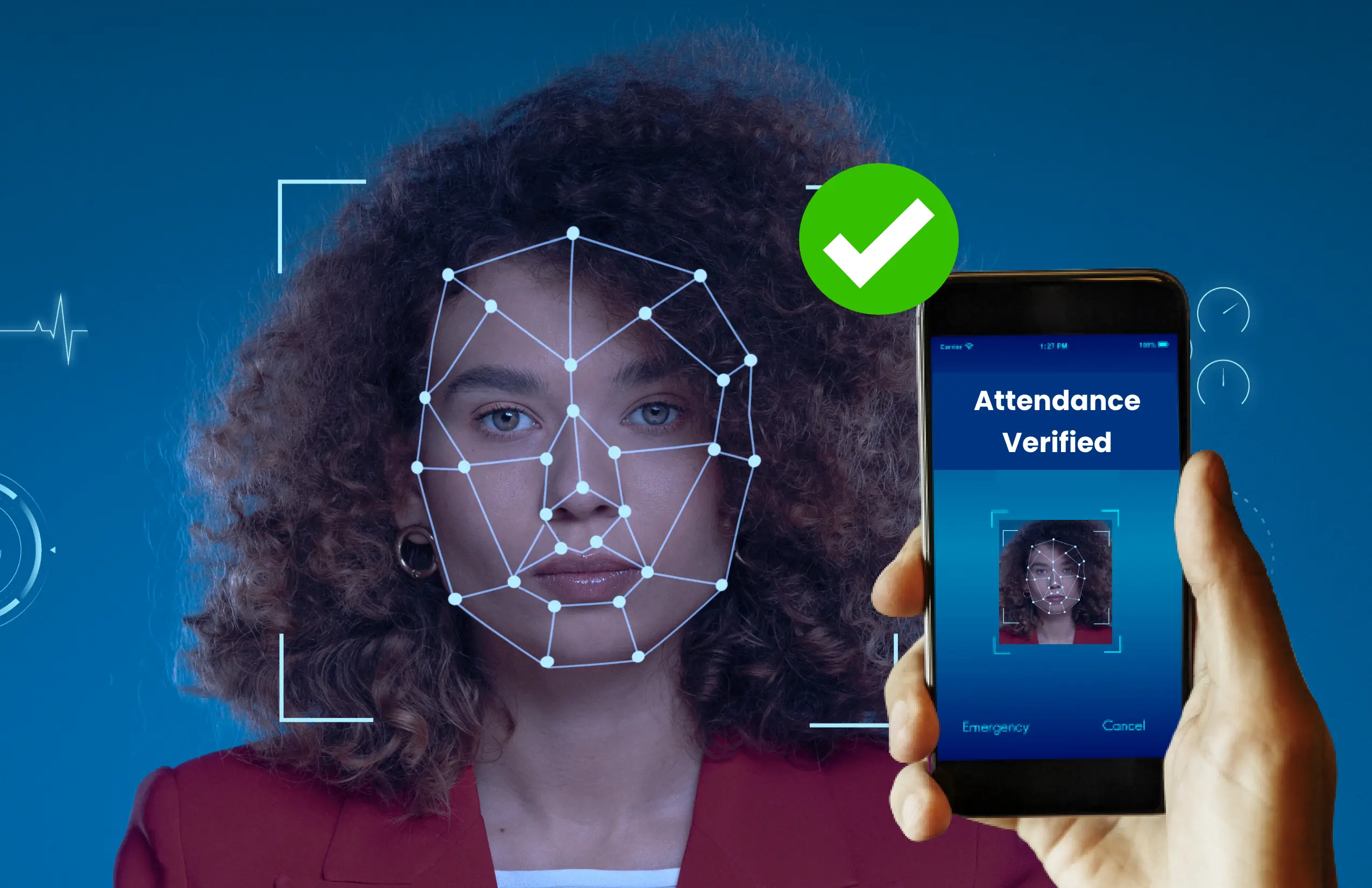
Face recognition systems use facial recognition technology as their core. This biometric approach is widely used because faces are hard to replicate, easy to capture, and do not require active cooperation from the subject. Typical applications include face-based access management, face recognition for access control and attendance, surveillance management, computer security, photo-based searches, and visitor registration control.
Face recognition systems combine computer image processing with biostatistical methods. The process begins with capturing and enrolling face data into a database by extracting facial features and using statistical methods to build mathematical models, or face templates. These templates are stored in a database. At runtime, templates are compared with the facial features captured by terminal devices; a similarity score is produced, and identity is determined by thresholding that score.
A face recognition system is a computer network control system composed of the following functional units:
- Ticketing unit: electronic real-name ticket issuance and sales
- Ticket inspection unit: face capture and recognition system using a high-performance specialized appliance to verify ticket validity and holder identity
- Central management unit: reporting and overall system management
- Backend control system: ticket statistics and real-time queries, detection control
- Auxiliary systems: UPS power, video surveillance, and network servers
System Functions
- Face capture and tracking: Face capture detects faces in an image or a video frame and isolates them from the background for automatic storage. Tracking follows a detected face as it moves within the camera field of view.
- Face matching: Matching operates in two modes: verification and search. Verification compares a captured face with a specific enrolled template to confirm identity. Search compares a captured face against all enrolled templates to find matches.
- Modeling and retrieval: Enrolled facial data are modeled to extract features and generate face templates stored in the database. During a search, the probe face is modeled and compared against all templates; results are ranked by similarity.
- Liveness detection: The system can distinguish a live person from a photograph to prevent spoofing. This technique typically requires the subject to perform facial actions or expressions.
- Image quality assessment: Image quality directly affects recognition performance. The system evaluates image quality of candidate photos and provides quality metrics to assist matching decisions.
System Configuration
Recognition host: NORCO-890 high-performance customized appliance. Typical configuration:
- Full-length industrial CPU card SHB-890AG
- Supports LGA775 Intel P4 / Pentium D / Core Duo processors
- Two 240-pin dual-channel DDR II memory slots, supporting DDRII 667 MHz, up to 2 GB
- Four SATA II interfaces, transfer rate 300 MB/s
- One gigabit Ethernet port, two COM ports
- Four USB 2.0 ports
- Industrial backplane: PBP-03V2
- Industrial power supply: PW-250U
- Memory: 2 GB
- Hard disk: 80 GB
Other supporting equipment:
- One high-definition camera and one video capture card
- Network switch
- Backend server
- Ethernet cables, video cables, and other accessories
Assessment
Automated face recognition systems are already used in stadiums and related event areas. The integrated system provides large storage capacity, high throughput, strong dynamic capture capability, and fast response times (reported as low as 0.01 seconds). It supports portable and automated deployment and incorporates techniques to reduce false acceptance and false rejection rates. The system also applies skeletal-based recognition techniques to increase robustness against disguise.
The system's database is intended to include facial data for more than 1.3 billion individuals, including Chinese citizens and international visitors, and to use current comparison techniques for verification. At venue entry points, the gate-facing face recognition system performs rapid facial verification so that people do not need to stop. Security personnel can quickly identify individuals flagged as potentially dangerous and locate them. Access to critical areas such as control centers is restricted to authorized personnel; anyone whose facial record is not stored in the system is denied entry. This enables effective control of sensitive areas and helps ensure that logistics, food delivery staff, and other workers are authorized before entering restricted zones, reducing the risk of emotionally unstable individuals, or those likely to trigger crowd disturbances.
Compared with fingerprint systems, face recognition offers several practical advantages. Fingerprint sensors have shorter service lifetimes, higher per-use costs, and are sensitive to moisture, sweat, and dirt, which limits outdoor use. Face recognition systems can operate continuously, are noninvasive, and can be deployed indoors or outdoors.
The supplier's monitoring and security hardware has also been deployed in other sectors such as metro systems and major shopping centers.