ALLPCB


Introduction
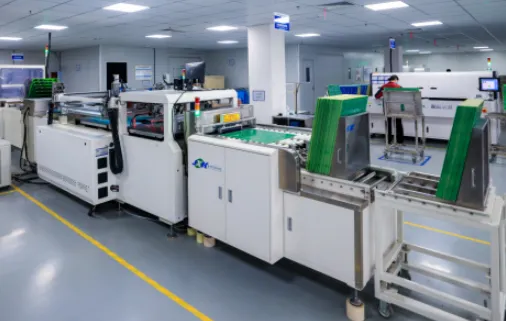
Efficient PCB batch manufacturing requires a coordinated set of specialized equipment to handle mid-volume production runs without the overhead of high-speed inline lines. Electrical engineers designing for manufacturability must understand how PCB manufacturing equipment batch setups balance speed, precision, and cost. In batch processes, machines process multiple boards per cycle, optimizing throughput for prototypes, custom orders, or variable product mixes. Key systems like SMT equipment batch configurations ensure consistent quality across lots of 50 to 500 units. This article explores essential tools, their roles, and integration strategies aligned with factory realities.
Why Batch Manufacturing Equipment Matters in PCB Production
Batch manufacturing bridges prototyping and mass production, allowing factories to respond to diverse customer needs without retooling entire lines. PCB manufacturing equipment batch systems minimize downtime between runs, supporting just-in-time delivery for electrical engineers working on iterative designs. Unlike continuous flow lines, batch setups use versatile machines that handle panel sizes from 100mm x 100mm to 500mm x 500mm, adapting to mixed assemblies. Efficiency gains come from reduced setup times and modular workflows, critical for maintaining yield rates above 95% in controlled environments. Standards like IPC-A-600K guide acceptability criteria, ensuring batches meet visual and functional inspections.
Factory-driven insights reveal that poor equipment selection leads to defects like tombstoning or insufficient solder joints, inflating rework costs by 20-30% per lot. Electrical engineers benefit from equipment that supports fine-pitch components down to 0.3mm, aligning with evolving board densities.
Core Principles of SMT Equipment Batch Workflows
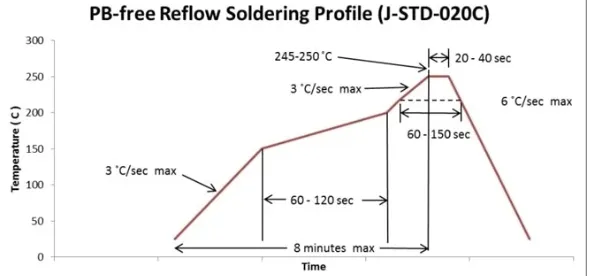
SMT equipment batch processes rely on sequential operations: printing, placement, reflow, and inspection, each governed by thermal, mechanical, and optical principles. Solder paste deposition must achieve uniform thickness of 100-150 microns to prevent bridging during reflow. Pick and place machines use vision systems for fiducial alignment, compensating for board warpage up to 0.75% per IPC standards. Reflow ovens apply controlled temperature profiles, ramping to peak temperatures of 220-260°C for lead-free alloys, ensuring intermetallic formation without damaging components.
These mechanisms demand precise conveyor indexing and nitrogen atmospheres to reduce oxidation in batch reflow ovens. Electrical engineers should model thermal mass effects, as thicker boards require extended preheat zones to avoid cold spots.
Related Reading: Surface Mount Technology (SMT) for PCBA: A Comprehensive Guide
Essential PCB Manufacturing Equipment for Batch: Solder Paste Printers
Solder paste printers form the foundation of PCB manufacturing equipment batch lines, applying stencil-defined deposits with micron-level accuracy. Pneumatic or laser-guided squeegees sweep paste across the stencil, achieving volume consistency via 2D or 3D inspection cameras. Batch printers process panels of up to 400mm x 400mm, with cycle times under 20 seconds per board. Factory operators calibrate blade pressure to 5-10kg and snap-off distances of 1-2mm, preventing stencil wear and paste smearing.
Integration with automated loaders allows unmanned runs for 100+ boards, vital for electrical engineers targeting high-mix production. Under-stenciling errors drop below 1% when printers incorporate post-print verification, aligning with J-STD-001 requirements for solder joint integrity.
Pick and Place Machines Optimized for Batch Production
Pick and place machines batch configurations excel in flexibility, handling 0201 to large ICs with feeder capacities for 60-120 components. High-resolution cameras enable 10-micron placement accuracy, essential for BGA pitches under 0.5mm. Batch models use turret or Cartesian heads, switching nozzles automatically to minimize changeovers between runs. Throughput reaches 10,000-25,000 chips per hour, suitable for lots under 1000 units.
Electrical engineers specify fiducials per IPC guidelines to aid machine learning algorithms that self-correct for feeder offsets. Factory best practices include offline programming to cut setup from hours to minutes, boosting overall equipment effectiveness (OEE) in variable batch scenarios.
Related Reading: Pick and Place Machine Programming: A Beginner's Guide to SMT Automation
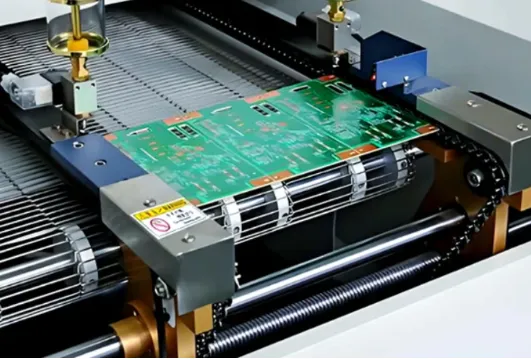
Reflow Ovens for Reliable Batch Soldering
Reflow oven batch systems provide conveyorized heating in multi-zone tunnels, typically 5-10 zones for precise profile control. Nitrogen-purged atmospheres maintain oxygen below 100ppm, preventing defects like pinholing in lead-free processes. Ovens handle board widths up to 500mm, with mesh belt speeds adjustable from 0.5-2m/min. Thermal profiling tools log data to validate peaks per JEDEC J-STD-020E for moisture-sensitive devices.
Factory insights emphasize flux residue management, using forced-air cooling to solidify joints uniformly. Electrical engineers verify profiles with thermocouples placed at critical locations, ensuring compliance without thermal shock.
Inspection and Auxiliary Equipment in Batch Lines
Automated optical inspection (AOI) post-placement and post-reflow detects anomalies like misalignment or opens at speeds over 50cm2/second. X-ray systems complement for hidden BGA voids, achieving 99% defect capture in batch flows. Conveyor systems with edge clamping and flip stations link machines seamlessly, supporting double-sided assemblies.
Test handlers for in-circuit and functional testing verify batch integrity before shipping. Electrical engineers integrate these per ISO 9001:2015 quality frameworks, reducing escape defects to under 100ppm.
Best Practices for Integrating Batch Manufacturing Equipment
Select modular PCB manufacturing equipment batch setups scalable from semi-auto to full-auto, prioritizing uptime through redundant feeders and quick-swap stencils. Implement preventive maintenance schedules, cleaning printers daily and calibrating placers weekly to sustain precision. Data logging across SMT equipment batch enables root-cause analysis for yield dips, such as paste viscosity changes affecting reflow.
Train operators on standard handling to avoid ESD damage, using ionized air and grounded workstations. Electrical engineers collaborate on design-for-manufacturing (DFM) reviews, spacing components for optimal pick and place batch efficiency. Nitrogen reflow reduces dross, extending oven life in high-batch factories.
Troubleshooting Common Batch Production Challenges
Batch runs often face warpage from reflow thermal expansion mismatch, mitigated by symmetric copper balancing and low-CTE substrates. Insufficient paste volume causes head-in-pillow defects; counter with stencil apertures 10-20% larger than pads. Placement offsets from feeder vibrations resolve via dynamic compensation software.
Factory logs track these via SPC charts, correlating to equipment parameters. Electrical engineers simulate profiles upfront to preempt issues.
Conclusion
Mastering essential PCB manufacturing equipment batch transforms mid-volume production into a reliable, cost-effective process. From precise printers and versatile pick and place machines batch to controlled reflow ovens, integrated systems deliver high yields for electrical engineers. Adhering to standards ensures quality, while best practices optimize factory throughput. Invest in these tools to future-proof operations against denser, complex boards.
FAQs
Q1: What key features define effective PCB manufacturing equipment batch for mid-volume runs?
A1: PCB manufacturing equipment batch prioritizes modularity, with quick-change feeders and vision alignment for mixed assemblies. Cycle times under 30 seconds per board support 100-500 unit lots. Integration with AOI maintains yields per IPC guidelines. Factory setups emphasize OEE above 85% through minimal setups.
Q2: How does SMT equipment batch improve efficiency over manual assembly?
A2: SMT equipment batch automates placement and reflow, handling fine-pitch parts at 15,000+ CPH. Vision systems reduce errors versus hand-soldering. Batch ovens ensure uniform profiles, cutting rework by standardizing processes. Electrical engineers gain repeatability for design validation.
Q3: Why choose a reflow oven batch for lead-free PCB processes?
A3: Reflow oven batch systems offer zoned control for 245°C peaks, per JEDEC standards. Nitrogen flow minimizes oxidation on batches up to 400mm wide. Profiling verifies compliance, preventing delamination. Factories achieve consistent joints across variable thermal masses.
Q4: What role does pick and place machine batch play in high-mix production?
A4: Pick and place machine batch versatility handles 100+ component types via auto-nozzle swaps. Fiducial recognition compensates for tolerances, boosting accuracy to 20 microns. Offline programming slashes setups, ideal for electrical engineers' prototypes. Yields exceed 98% with proper calibration.
IPC-A-600K — Acceptability of Printed Boards.
IPC, 2020J-STD-001G — Requirements for Soldered Electrical and Electronic Assemblies. IPC, 2017
ISO 9001:2015 — Quality Management Systems — Requirements. ISO, 2015