ALLPCB


Printed Circuit Boards (PCBs) are the backbone of modern medical equipment, including MRI machines, where precision and reliability are non-negotiable. One critical factor that directly influences the performance of PCBs in MRI systems is the surface finish. The right PCB surface finish ensures corrosion resistance, signal integrity, and long-term durability—key elements for the sensitive electronics in MRI machines. In this detailed guide, we’ll explore how different PCB surface finishes like ENIG, HASL, and immersion silver impact MRI machine performance, focusing on aspects like corrosion resistance and MRI PCB design compatibility.
At ALLPCB, we understand the importance of choosing the right surface finish for high-stakes applications. Whether you're designing PCBs for medical imaging or other advanced technologies, this blog will help you navigate the complexities of surface finishes to optimize performance.
Why PCB Surface Finish Matters in MRI Machines
MRI machines operate in highly controlled environments, relying on intricate electronic systems to generate precise magnetic fields and radiofrequency signals. PCBs in these machines manage critical functions like signal processing, power distribution, and data transmission. A poor surface finish on a PCB can lead to issues such as corrosion, signal degradation, or solder joint failures, all of which can compromise the machine’s accuracy or even cause downtime in a clinical setting.
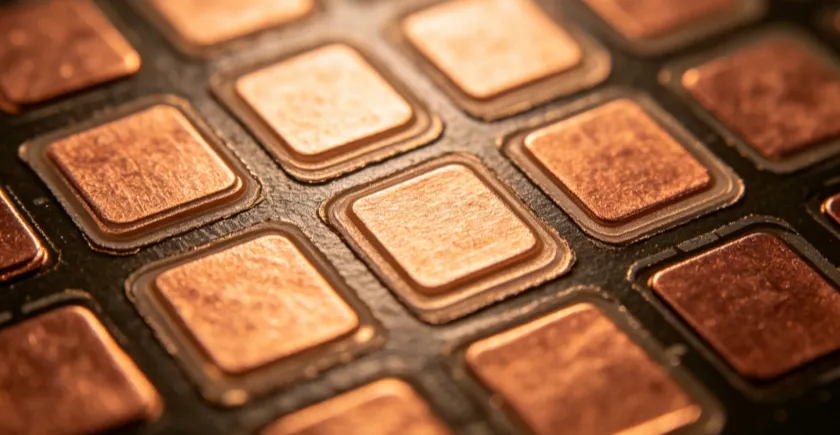
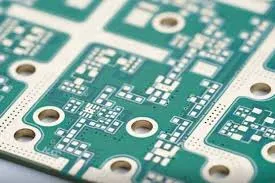
The surface finish serves as a protective layer for the copper traces on a PCB, preventing oxidation and ensuring reliable solderability during assembly. In MRI systems, where components are often exposed to high humidity or temperature fluctuations during operation, corrosion resistance becomes even more crucial. Additionally, the finish impacts electrical performance, which is vital for maintaining the low noise levels required for clear imaging results.
Common PCB Surface Finishes and Their Properties
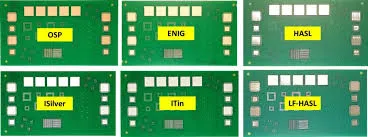
Let’s break down the most common PCB surface finishes used in high-reliability applications like MRI PCB design. Each finish has unique characteristics that can either enhance or hinder performance in such demanding environments.
1. ENIG (Electroless Nickel Immersion Gold)
ENIG is a popular choice for high-end applications due to its excellent corrosion resistance and smooth, flat surface. It consists of a layer of nickel beneath a thin layer of gold, which protects the copper traces from oxidation. In MRI machines, where signal integrity is critical, ENIG offers low contact resistance, ensuring minimal signal loss. Studies show that ENIG can maintain stable impedance values, often within ±5% of the target, even after prolonged exposure to harsh conditions.
Another advantage of ENIG is its suitability for fine-pitch components, which are common in the compact designs of MRI control boards. Its flat surface reduces the risk of solder bridging, ensuring reliable connections. However, ENIG is more expensive than other finishes, which may be a consideration for large-scale production.
2. HASL (Hot Air Solder Leveling)
HASL is one of the oldest and most cost-effective surface finishes. It involves coating the PCB with a layer of molten solder, which is then leveled using hot air. While HASL provides decent corrosion resistance, it is less suitable for MRI PCB design due to its uneven surface. This unevenness can lead to inconsistent solder joints, potentially causing signal integrity issues in high-frequency MRI circuits where noise must be kept below 0.1 microvolts for optimal imaging.
HASL also struggles with long-term reliability in humid environments, as the solder layer can degrade over time. For MRI machines, which may operate in varying environmental conditions, this could result in unexpected failures.
3. Immersion Silver
Immersion silver is another viable option for high-reliability applications. It offers excellent solderability and a flat surface, similar to ENIG, making it compatible with fine-pitch components. Its electrical conductivity is also superior, with contact resistance often below 10 milliohms, which supports the high-speed signal processing required in MRI systems.
However, immersion silver is prone to tarnishing when exposed to sulfur or high humidity, which can reduce its corrosion resistance over time. In MRI machines, where boards may be housed in sealed but not entirely isolated enclosures, this could pose a risk unless additional protective measures are taken.
How Surface Finish Impacts MRI Machine Performance
The choice of PCB surface finish directly affects several performance metrics in MRI machines. Let’s dive into the key areas where this impact is most noticeable.
1. Signal Integrity and Noise Reduction
MRI machines rely on precise radiofrequency signals to create detailed images of the human body. Any interference or noise in the system can distort these images, leading to diagnostic errors. The surface finish plays a role in maintaining signal integrity by minimizing resistance and ensuring consistent impedance across the board.
For instance, ENIG provides a uniform surface that reduces signal loss, maintaining impedance stability within tight tolerances (e.g., ±3 ohms in high-frequency circuits). In contrast, HASL’s uneven surface can introduce parasitic capacitance, leading to signal distortion. In practical terms, this could mean the difference between a clear MRI scan and one with artifacts that obscure critical details.
2. Corrosion Resistance in Harsh Environments
Corrosion resistance is a top priority for MRI PCBs, as these machines often operate in environments with fluctuating humidity or temperature. Corrosion on copper traces can lead to open circuits or increased resistance, disrupting the machine’s operation. ENIG excels in this area, with its gold layer providing a barrier against oxidation, even after 1000 hours of exposure to 85% relative humidity in accelerated aging tests.
Immersion silver, while initially resistant, may tarnish over time, especially if exposed to sulfur compounds in the air. HASL offers moderate protection but is less reliable for long-term use in medical equipment. For MRI systems, where downtime for repairs can delay critical diagnoses, opting for a finish with superior corrosion resistance is a wise investment.
3. Solderability and Assembly Reliability
The assembly process for MRI PCBs often involves surface-mount technology (SMT) with fine-pitch components. A surface finish that supports strong, reliable solder joints is essential to prevent failures during operation. ENIG and immersion silver both offer excellent solderability, with wetting times typically under 2 seconds during reflow soldering. This ensures robust connections that can withstand the vibrations and thermal cycling common in MRI systems.
HASL, on the other hand, can lead to uneven solder distribution, increasing the risk of defects like solder voids. In an MRI machine, a single failed solder joint could disrupt an entire imaging sequence, making assembly reliability a critical consideration.
Choosing the Right Surface Finish for MRI PCB Design
Selecting the best PCB surface finish for an MRI machine involves balancing performance requirements with cost considerations. Here are some factors to keep in mind during the design phase.
1. Environmental Conditions
Consider the operating environment of the MRI machine. If the system will be used in a high-humidity area or a facility with limited climate control, prioritize a finish like ENIG for its superior corrosion resistance. For more controlled environments, immersion silver might be a cost-effective alternative, provided protective coatings or enclosures are used to prevent tarnishing.
2. Signal Requirements
For MRI systems that demand ultra-low noise and high signal fidelity, ENIG is often the best choice due to its consistent electrical performance. If your design includes high-frequency circuits operating above 100 MHz, avoid finishes like HASL that could introduce signal distortions.
3. Budget Constraints
While ENIG offers top-tier performance, it comes at a higher cost, often 20-30% more than HASL or immersion silver. If budget is a concern, immersion silver can provide a good middle ground, offering many of the same benefits as ENIG at a lower price point, as long as environmental risks are mitigated.
Best Practices for Optimizing MRI PCB Design with Surface Finishes
Beyond choosing the right surface finish, there are several design and manufacturing practices that can enhance the performance of PCBs in MRI machines.
First, ensure that the surface finish is applied uniformly across the board. Inconsistent application can lead to weak spots that are prone to corrosion or poor solderability. Partnering with a reliable manufacturing service ensures that industry standards, such as those outlined in IPC-4552 for ENIG, are followed during production.
Second, consider additional protective measures, such as conformal coatings, to further shield the PCB from environmental stressors. This is particularly important for finishes like immersion silver, which are more susceptible to tarnishing.
Finally, conduct thorough testing of the PCB under simulated operating conditions. For example, subject the board to thermal cycling between 0°C and 70°C to verify the stability of solder joints and the integrity of the surface finish. This can help identify potential issues before the PCB is integrated into an MRI system.
Conclusion: Prioritizing Performance with the Right PCB Surface Finish
The surface finish of a PCB plays a pivotal role in the performance of MRI machines, affecting everything from signal integrity to long-term reliability. Among the options available, ENIG stands out for its exceptional corrosion resistance and suitability for high-frequency applications, making it a top choice for MRI PCB design. Immersion silver offers a cost-effective alternative with similar benefits, though it requires careful environmental control. HASL, while affordable, is generally less suitable for the precision demands of medical imaging equipment.
At ALLPCB, we’re committed to helping engineers and designers create PCBs that meet the stringent requirements of advanced applications like MRI systems. By understanding the impact of PCB surface finishes and making informed choices, you can ensure that your designs deliver the reliability and performance needed for critical medical technologies.