ALLPCB


Background
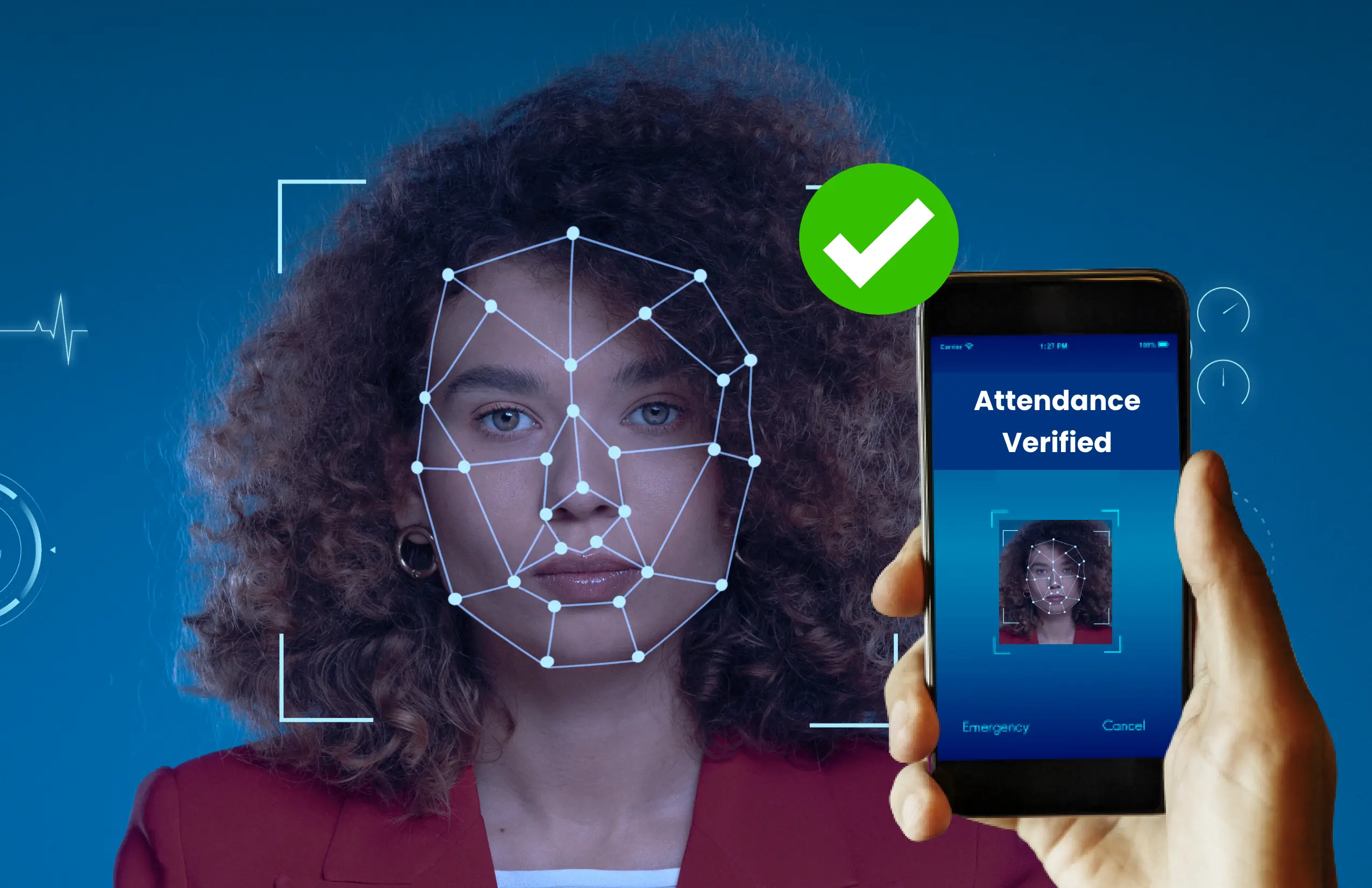
Technology continues to advance, changing how people live and work. Smart electronic products appear in many places to provide convenience and comfort. Security technologies that protect people, property, and operations have also evolved. For example, visitor management has progressed from manual registration to card access and now to face recognition, which improves user experience and security. Below are the main reasons for the widespread adoption of face recognition systems.
Widespread Application
Face recognition systems are convenient and provide additional security. Their contactless nature reduces the risk of disease transmission from person-to-person contact. Installation is straightforward: a single face recognition device paired with a management system can record, store, and upload information automatically, creating traceable logs. As a result, businesses, schools, public venues, and government agencies have widely adopted these systems.
Security and Convenience
Traditional access control methods such as card readers or fingerprint scanners have limitations. Card-based systems are less secure because they identify the card rather than the person, and cards can be lost. Fingerprint systems can be copied at relatively low cost. Face recognition verifies individuals directly; facial data are harder to forge and the cost to create believable forgeries is generally higher. In addition, face recognition is contactless, which improves the user experience.
Economic Considerations
Deploying face recognition for visitor management can better protect property and people. Although initial installation costs may be higher than some legacy systems, face recognition can act as a stronger deterrent to illicit activity, lowering the probability of theft or damage and reducing potential losses. It also eliminates maintenance issues associated with card wear and unreadable credentials.
Addresses Limitations of Other Methods
Fingerprint and card systems offer strong uniqueness, but physical factors such as damaged fingerprints, demagnetized card chips, or lost cards can cause inconvenience. Face recognition mitigates many of these daily variables. While no system can reduce all variability to zero, face recognition currently offers a highly convenient and practical solution for many scenarios.
Face recognition is already used across multiple sectors, including corporations, residential communities, construction sites, and increasingly in home settings as costs and technology improve.