ALLPCB


Introduction
Discrete components form the backbone of countless electronic circuits, from simple resistors and capacitors to diodes and transistors that enable precise functionality in designs. Engineers face mounting pressures in discrete component sourcing due to supply chain disruptions, rising demand for high-reliability parts, and the persistent threat of counterfeits infiltrating the market. Finding reliable suppliers ensures project timelines stay on track while maintaining product integrity and performance. This guide delivers practical sourcing tips for engineers, outlining strategies to identify top electronic component distributors and avoid pitfalls that compromise quality. By focusing on proven methods, you can streamline procurement and build resilient supply chains tailored to demanding applications.
Understanding Discrete Components and Their Sourcing Challenges
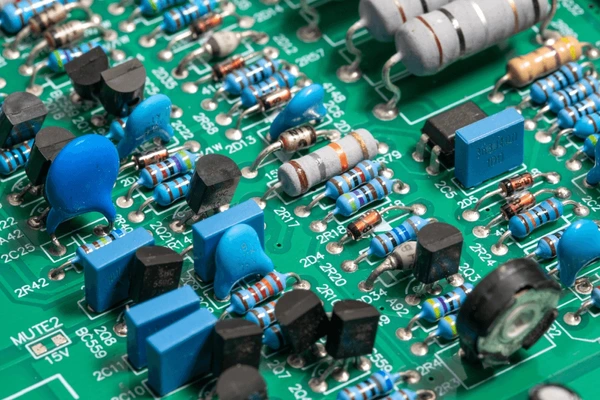
Discrete components are individual electronic parts that perform specific functions without integration into complex chips, including passive elements like resistors, inductors, and capacitors, as well as active ones such as transistors, diodes, and thyristors. These parts are essential in power management, signal processing, and protection circuits across industries like automotive, telecommunications, and consumer electronics. Sourcing them reliably matters because inconsistencies in quality or specifications can lead to failures in assembly, increased rework costs, or field reliability issues that erode trust in the final product.
The challenges in discrete component sourcing stem from global supply volatility, where shortages of raw materials like rare earth metals or semiconductors disrupt availability. Engineers often encounter long lead times, pricing fluctuations, and the risk of receiving parts that fail to meet electrical or mechanical tolerances. Counterfeit components exacerbate these issues, mimicking legitimate parts but deviating in performance, such as altered capacitance values or insufficient power ratings. Reliable suppliers mitigate these risks through rigorous qualification processes and traceability, ensuring components align with design requirements from the outset.
Key Criteria for Evaluating Electronic Component Distributors
When finding reliable suppliers, start by assessing their certifications and compliance with industry standards, such as ISO 9001 for quality management systems, which verifies consistent processes across operations. Look for distributors with established quality assurance protocols, including incoming inspection, batch testing, and documentation of material origins. Suppliers should provide detailed datasheets, parametric searches, and real-time inventory visibility to match components to your exact needs, like tolerance levels or voltage ratings.
Traceability is a cornerstone of trustworthy sourcing; demand lot codes, date codes, and certificates of conformance that link back to the original manufacturer. Electronic component distributors excelling here offer full pedigree information, reducing the chance of mixed lots or aged stock that could degrade under thermal stress. Evaluate their risk management practices, such as diversification of manufacturing sources and contingency planning for shortages, to ensure continuity in your projects.
Financial stability and customer support round out essential criteria. Review supplier longevity, as established players demonstrate resilience through economic cycles. Responsive technical support, including application notes and failure analysis services, proves invaluable for troubleshooting during integration.
Practical Sourcing Tips for Engineers
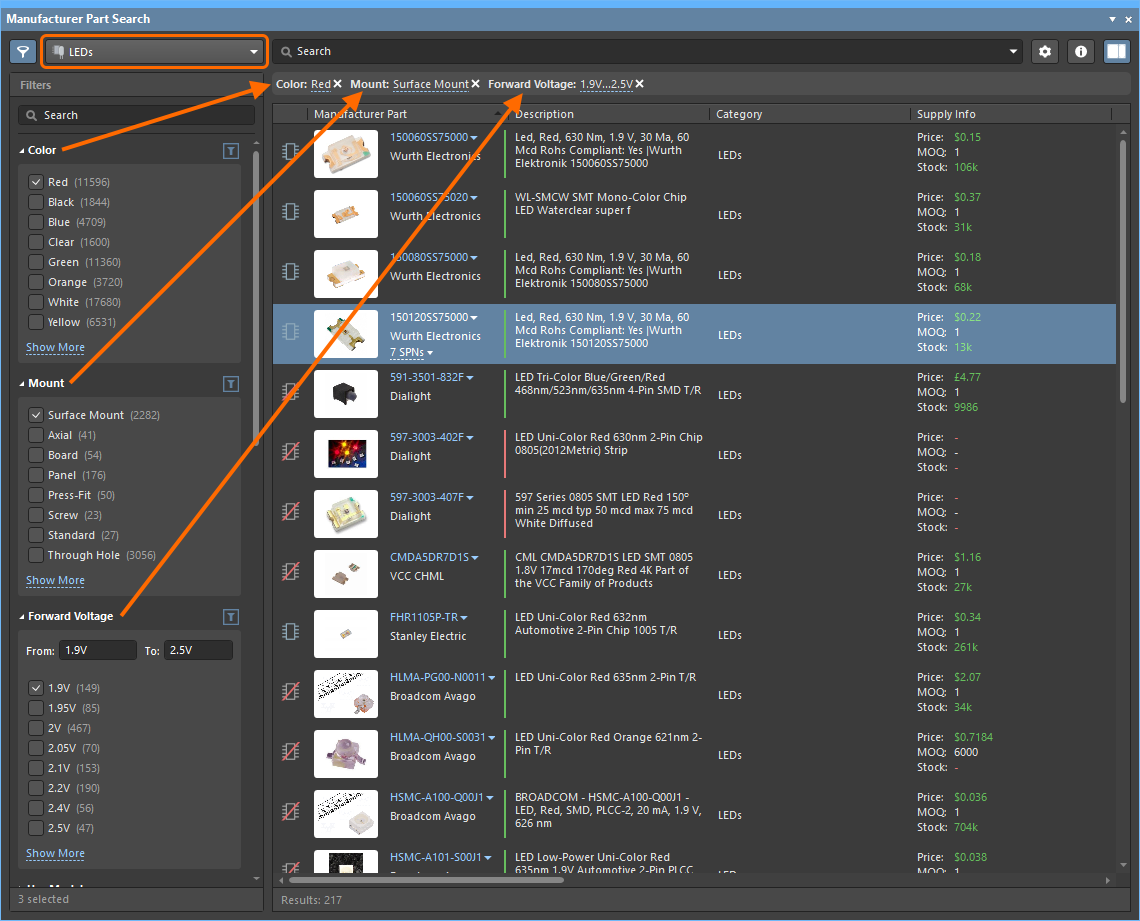
Begin discrete component sourcing with a bill of materials review, prioritizing long-lead or hard-to-find parts early to avoid bottlenecks. Use parametric searches on distributor platforms to filter by specifications like package size, operating temperature range, and environmental ratings, ensuring compatibility with your PCB layout and assembly processes. Cross-reference multiple electronic component distributors for competitive pricing without sacrificing quality, and allocate buffer stock for critical items based on historical usage rates.
Leverage qualification testing in-house or through partners to validate samples before full commitment. Conduct electrical characterization, such as measuring resistance drift or capacitance under load, to confirm adherence to specs. For high-volume runs, negotiate volume discounts or allocation agreements with suppliers who commit to delivery schedules.
Build relationships with a core group of suppliers to gain priority access during shortages. Attend industry trade shows or webinars for insights into emerging trends, like shifts toward lead-free or high-temperature components. Document all sourcing decisions in a centralized database, tracking performance metrics like on-time delivery and defect rates to refine future choices.
Strategies for Avoiding Counterfeit Components
Counterfeit components pose severe risks, from intermittent failures to safety hazards in power circuits, making avoidance a top priority in discrete component sourcing. Implement a multi-layered verification process starting with visual inspection for anomalies like irregular markings, poor plating, or mismatched fonts on part bodies. Use microscopy to check die attach quality or wire bonding, which often reveals substandard construction in fakes.
Advanced techniques include electrical testing per JEDEC J-STD-020 for moisture sensitivity and reflow simulation, ensuring parts withstand soldering profiles without delamination. Decapsulation and X-ray analysis expose internal discrepancies, such as undersized dies or incorrect lead frames. Partner with suppliers offering counterfeit mitigation programs, including serialized tracking and third-party authentication.
- Packaging Defects — Faded labels, incorrect holograms — Detection Method: Visual and UV light inspection
- Marking Anomalies — Blurred or off-center logos — Detection Method: Magnified optical examination
- Performance Variance — Out-of-spec values under test — Detection Method: Parametric and burn-in testing
- Documentation Gaps — Missing or forged certificates — Detection Method: Traceability verification
Supplier vetting extends to site audits, where you observe handling practices compliant with ESD controls per IEC 61340 standards. Demand holograms, RFID tagging, or blockchain-based provenance for high-risk parts. Train procurement teams on red flags, and report suspects to industry watch groups for collective defense.
Troubleshooting Common Sourcing Issues
Engineers often hit roadblocks like obsolescence, where legacy discrete components vanish from active lines. Mitigate by selecting parts with extended lifecycle support and drop-in replacements during design reviews. If shortages arise, pivot to upscreened alternatives qualified for harsher environments, verifying form, fit, and function equivalence.
Moisture absorption in capacitors or transistors can cause assembly defects; enforce dry packing per J-STD-033 guidelines upon receipt. Bake out suspects before use, monitoring weight loss to confirm efficacy. For thermal runaway in diodes, source from distributors with detailed thermal characterization data.

Case Insights from Real-World Applications
In high-reliability sectors like aerospace, engineers sourcing power transistors prioritize suppliers with IPC Class 3 compliance for rigid quality levels. One scenario involved a batch of suspect MOSFETs failing under load; root cause traced to counterfeit gate oxides, resolved by switching to vetted distributors with full traceability. Automotive designs demand AEC-Q101 qualified discretes, where sourcing tips include pre-qualifying for vibration and thermal cycling endurance.
Lessons from these cases emphasize early engagement with suppliers for custom testing and diversified sourcing to buffer against single-point failures. Troubleshooting failures reinforces the value of baseline performance data before integration.
Conclusion
Mastering discrete component sourcing demands vigilance in selecting reliable suppliers, applying sourcing tips for engineers, and deploying robust anti-counterfeit measures. By prioritizing traceability, standards compliance, and proactive qualification, you safeguard project success amid volatile markets. Electronic component distributors that align with these principles become strategic partners, enabling innovation without compromise. Implement these strategies to optimize your supply chain, reduce risks, and deliver superior electronics.
FAQs
Q1: What are the top sourcing tips for engineers dealing with discrete component shortages?
A1: Focus on early BOM analysis to identify risks, build relationships with multiple electronic component distributors for allocation priority, and stockpile critical parts. Diversify suppliers geographically to hedge against regional disruptions. Validate alternatives through equivalence testing to maintain design integrity. This approach minimizes delays in PCB assembly.
Q2: How can engineers avoid counterfeit components during discrete component sourcing?
A2: Inspect visually for marking irregularities and test electrically against datasheets. Demand full traceability documentation and use advanced methods like decapsulation. Partner with suppliers offering authentication services compliant with JEDEC standards. Regular training on indicators ensures procurement teams spot fakes early.
Q3: Why is finding reliable suppliers crucial for electronic component distributors?
A3: Reliable suppliers provide consistent quality, short lead times, and traceability, preventing assembly failures or recalls. They adhere to ISO 9001 processes, reducing variability in performance. Engineers benefit from technical support and risk mitigation, ensuring projects meet reliability targets.
Q4: What role do industry standards play in discrete component sourcing?
A4: Standards like J-STD-033 guide handling to prevent moisture damage, while IEC 61340 ensures ESD protection. They standardize qualification, enabling consistent comparisons across suppliers. Incorporating them verifies supplier competence and part reliability.
References
ISO 9001:2015 — Quality Management Systems. ISO, 2015
JEDEC J-STD-020E — Moisture/Reflow Sensitivity Classification of Nonhermetic Surface Mount Devices. JEDEC, 2014
J-STD-033D — Handling, Packing, Shipping, and Use of Moisture/Reflow Sensitive Surface Mount Devices. JEDEC/J-STD, 2021
IEC 61340-5-1 — Electrostatics — Part 5-1: Protection of Electronic Devices from Electrostatic Phenomena. IEC, 2016