 ALLPCB


What Is a Metal-Backed PCB and Why It Matters for High-Power Audio Amplifiers
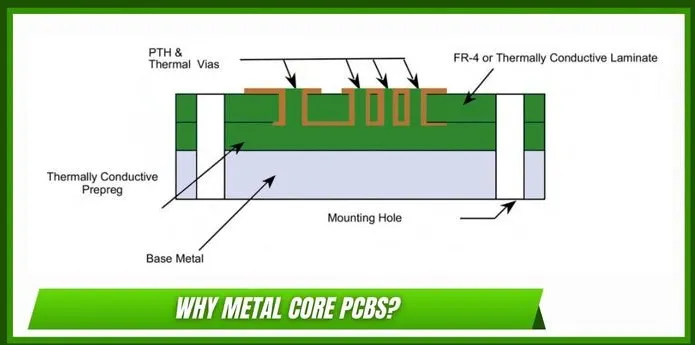
A metal-backed PCB consists of a dielectric layer bonded to a metal substrate, typically aluminum or copper, that serves as both a mechanical base and a heat spreader. In contrast to conventional FR4 boards, this construction provides a direct thermal path from components to the metal core. For high-power audio amplifiers, the benefit lies in managing the substantial heat generated by transistors operating at elevated currents. Effective thermal management prevents localized hotspots that could otherwise degrade performance or trigger thermal shutdown circuits. Procurement teams and designers therefore evaluate metal-backed options when power levels exceed the safe limits of standard laminates.
Technical Principles of Thermal Management in Metal-Backed PCBs
Heat generated in an audio amplifier originates primarily from the output devices and voltage regulators. In a metal-backed design, this heat conducts through the thin dielectric layer into the metal substrate, which then dissipates it across a larger surface area or to an attached heatsink. The low thermal resistance of the metal core reduces the temperature rise at semiconductor junctions compared with FR4 constructions. Logical thermal modeling shows that spreading heat laterally within the substrate minimizes gradients that might affect nearby sensitive analog circuitry. Structured analysis of layer stack-ups further confirms that selecting an appropriate dielectric thickness balances electrical isolation with thermal conductivity. Such principles guide engineers in optimizing layouts for sustained high-output operation.
Best Practices in Amplifier PCB Design Using Metal-Backed Substrates
Designers begin by placing high-dissipation components directly over the metal core region to maximize heat transfer. Copper pours on the top layer connect these components thermally while maintaining necessary electrical isolation. Thermal vias, when used, further enhance conduction to the substrate without violating clearance rules. Layout reviews include verification that return paths for audio signals remain separate from high-current power traces to preserve noise performance. Testing under continuous full-power conditions validates that junction temperatures stay within manufacturer limits for the chosen semiconductors. These steps collectively reduce heat accumulation and support reliable amplifier operation across varying load impedances.
Related Reading: Ultimate Guide to Metal Backed PCBs: Design, Manufacturing, and Applications
Insights on Reducing Heat in High-Power Audio PCBs
Reducing heat in audio amplifiers involves both material selection and layout discipline. Metal-backed PCBs lower overall thermal resistance, allowing amplifiers to run cooler at the same output level. Engineers often combine the substrate with strategic component spacing and copper area allocation to distribute heat evenly. Compliance with IPC-6012E ensures that the finished board meets qualification requirements for thermal and mechanical integrity. Practical troubleshooting frequently reveals that inadequate heatsink attachment or poor dielectric quality can negate the advantages of the metal core. Systematic evaluation of these factors during prototyping yields designs that maintain audio fidelity even during extended high-power use.
Related Reading: Troubleshooting Metal Backed PCB Design: Common Issues and Solutions
Conclusion
Metal-backed PCBs deliver clear advantages in thermal management for high-power audio amplifiers by providing an efficient path for heat removal. Structured engineering practices, from component placement to stack-up selection, maximize these benefits while preserving signal integrity. Reference to established standards such as IPC-A-600K supports consistent quality across production runs. Designers who incorporate these substrates achieve higher power handling and improved reliability without resorting to oversized heatsinks or complex cooling systems. The result is compact, robust amplifier designs suited to demanding professional and consumer applications.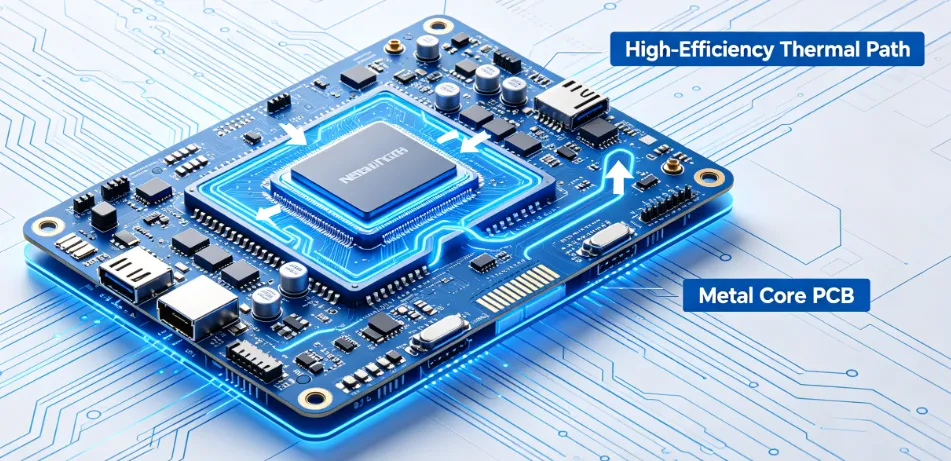
FAQs
Q1: How does a metal-backed PCB audio amplifier improve thermal performance compared with standard boards?
A1: Metal-backed PCBs conduct heat from power transistors through a low-resistance dielectric to the metal substrate, lowering junction temperatures and allowing sustained high-output operation without derating. This approach reduces the risk of thermal shutdown and maintains consistent audio performance under continuous load.
Q2: What considerations are important in amplifier PCB design when using metal-backed substrates?
A2: Key considerations include positioning high-dissipation components over the metal core, ensuring adequate copper area for heat spreading, and maintaining proper electrical isolation. Following IPC-6012E guidelines helps verify that the board meets thermal and mechanical requirements throughout its service life.
Q3: Can metal-backed PCBs help with reducing heat in audio amplifiers that operate near maximum ratings?
A3: Yes, the metal core spreads heat laterally and transfers it to external cooling surfaces more effectively than FR4, enabling amplifiers to handle higher continuous power levels while keeping component temperatures within safe limits.
Q4: What role does quality control play in metal-backed PCB production for audio applications?
A4: Quality control according to IPC-A-600K verifies dielectric integrity, copper adhesion, and overall board flatness, ensuring reliable thermal performance and preventing defects that could compromise amplifier reliability.
References
IPC-6012E — Qualification and Performance Specification for Rigid Printed Boards. IPC, 2017
IPC-A-600K — Acceptability of Printed Boards. IPC, 2020





