ALLPCB


Why Sustainable PCB Materials Matter for Hobbyists
Hobbyists frequently work with small production runs and experimental designs. Traditional board materials can create disposal challenges because many resins do not break down easily. Sustainable PCB materials help address this by using compositions that allow greater separation of copper, fiberglass, or other components. This approach aligns with broader industry efforts to minimize landfill contributions from electronic waste. Hobbyists who plan for recyclability also gain practical experience with material selection that mirrors professional considerations.
Industry standards such as IPC-6012E establish performance requirements for rigid printed boards, including material properties that influence long-term reliability and potential recovery routes.
Technical Principles of PCB Material Recyclability
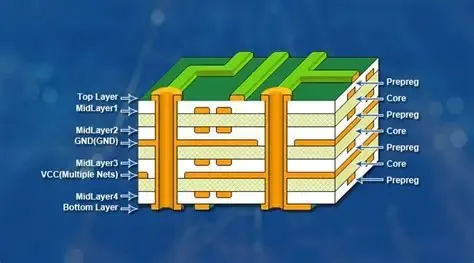
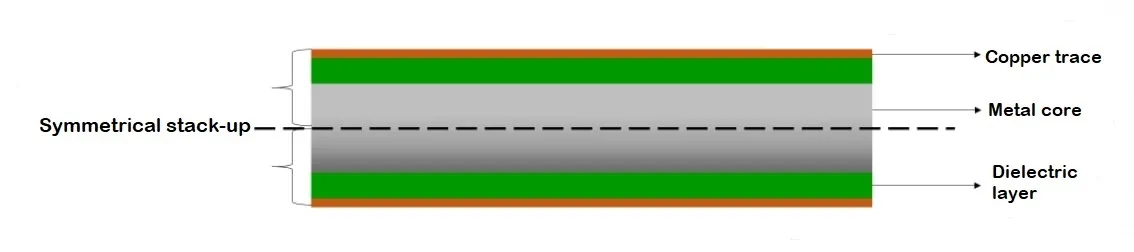
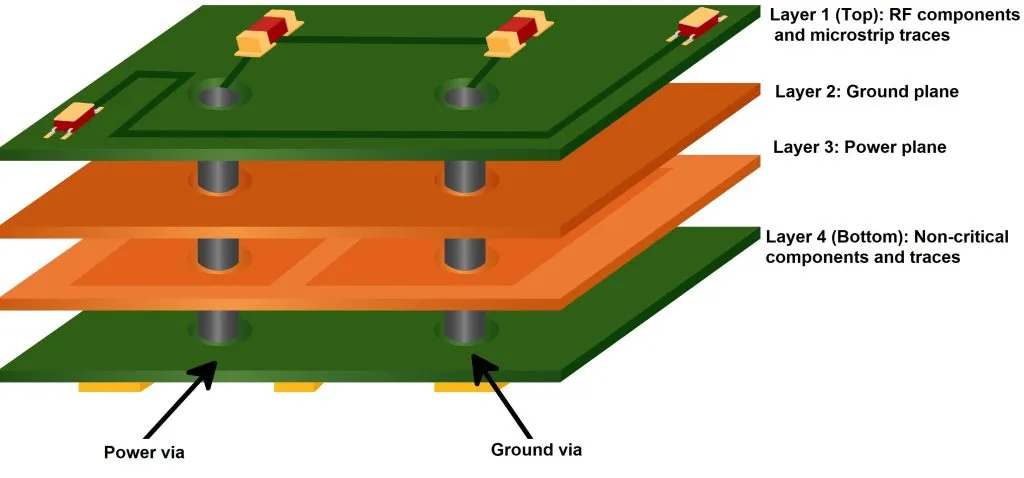
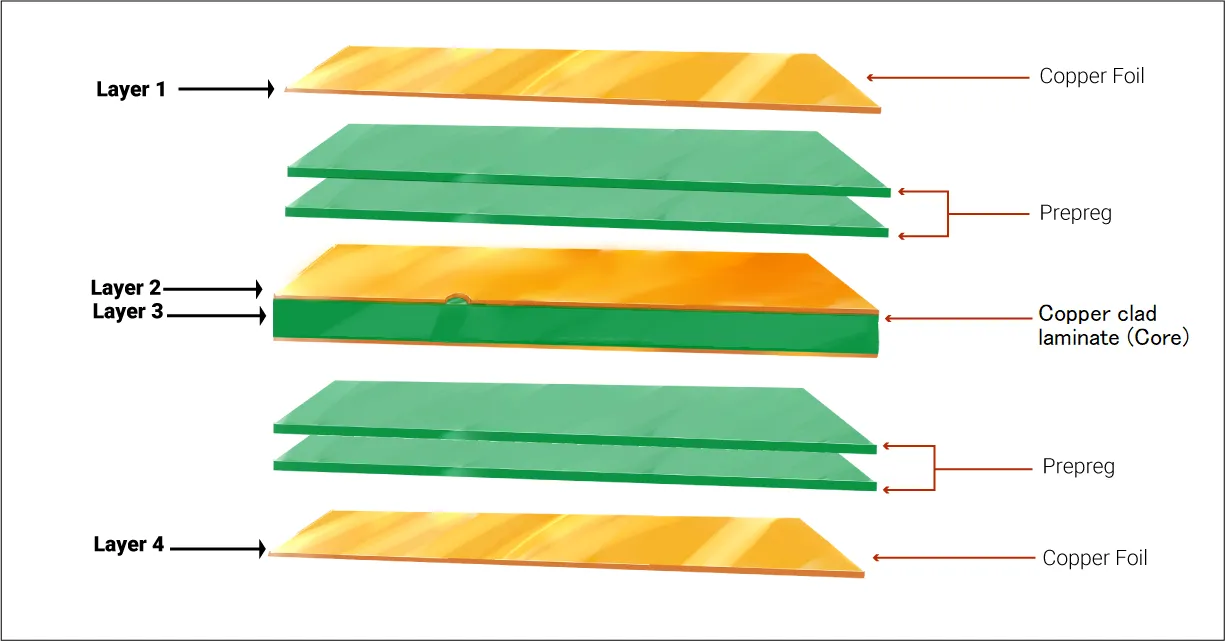
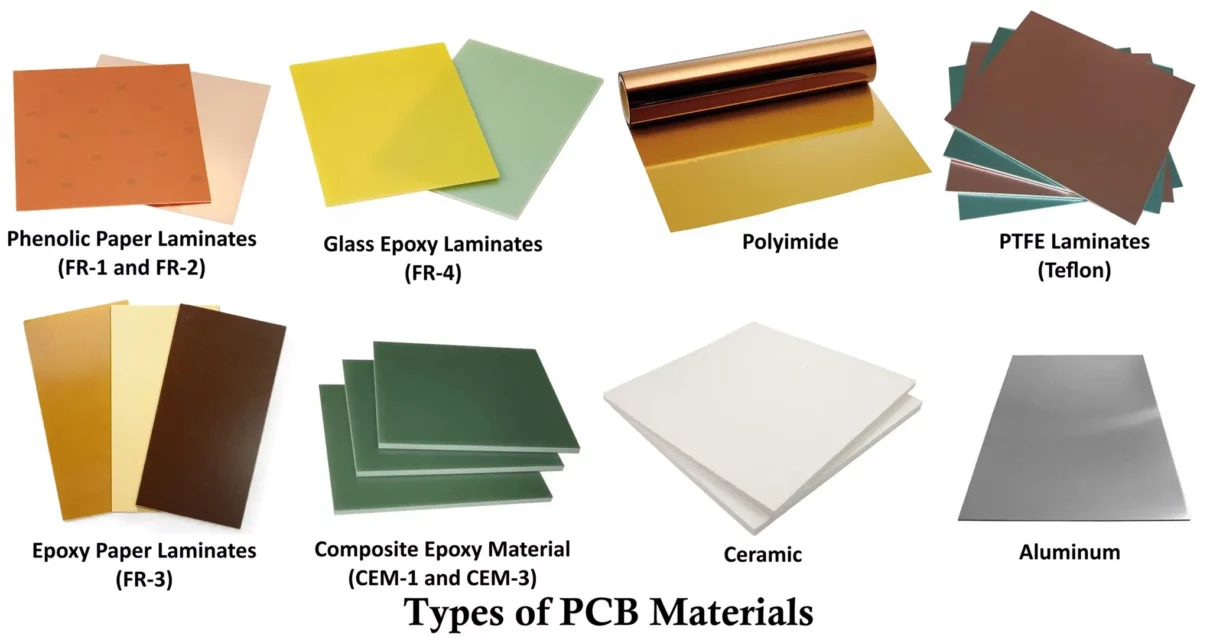
Printed circuit boards consist of a dielectric substrate, copper conductors, and protective finishes. The substrate in conventional boards typically uses a thermosetting epoxy resin reinforced with glass fiber. Once cured, this matrix resists melting or simple dissolution, complicating separation of the embedded copper. Alternative substrates employ thermoplastic resins or paper-based phenolic materials that soften under heat, allowing mechanical or thermal separation processes. Copper foil remains highly recoverable in either case because it can be stripped or etched away after the resin is processed.
Recycling begins with disassembly to remove components, followed by size reduction and separation techniques. Thermal methods can pyrolyze certain resins, releasing copper and filler materials for further refinement. Mechanical grinding combined with density separation works better with substrates that do not char or fuse during processing. These mechanisms depend on the original material chemistry and board construction. Design choices such as avoiding mixed resin systems or heavy component potting improve recovery rates.
Practical Approaches for Hobbyists
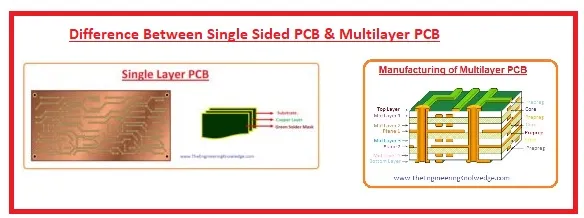
Hobbyists can incorporate recyclable PCB materials by choosing substrates documented for easier end-of-life processing. Paper phenolic boards, for example, respond well to thermal or solvent-assisted separation in controlled settings. When ordering or fabricating boards, specifying thinner copper layers or single-sided constructions reduces material volume while maintaining functionality for many low-power projects. Design for disassembly includes using through-hole components where feasible and avoiding permanent adhesives between board and enclosure.
At-home recycling remains limited to mechanical steps such as desoldering components with a hot-air station or solder sucker, followed by cutting the board into manageable pieces. Further separation of copper from substrate usually requires access to equipment not typically found in home workshops. Collection programs operated by local electronics recyclers provide a reliable next step once components are removed. Consistent labeling of project documentation with material type assists future recovery efforts.
Another relevant standard, IPC-A-600K, defines acceptability criteria for printed boards and includes guidance on material integrity that indirectly supports quality during initial fabrication and later handling.
Related Reading: Sustainable Flexible PCBs: Eco-Friendly Materials for Wearable Electronics
Design Considerations for Low-Cost PCB Recycling
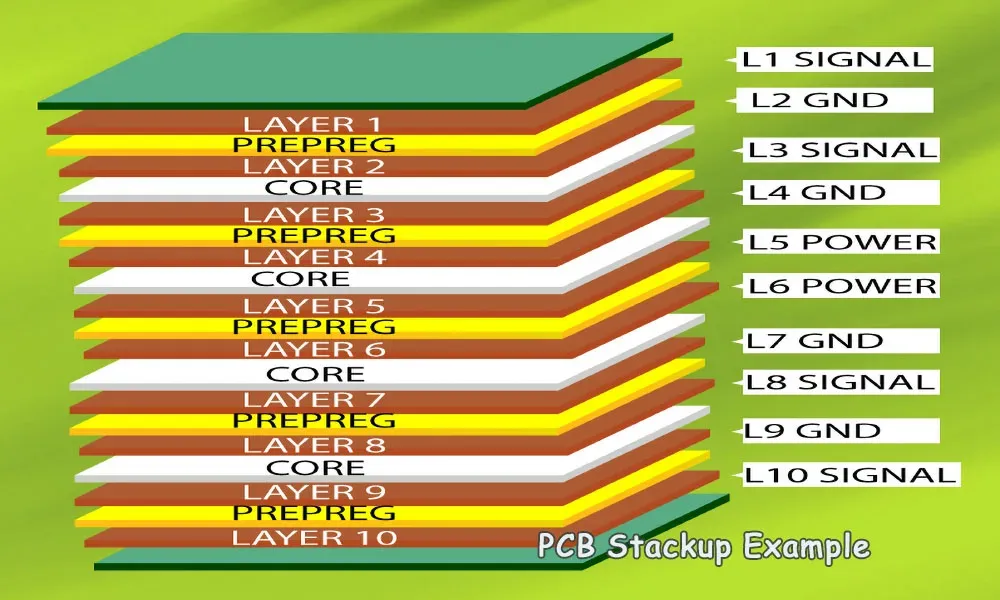
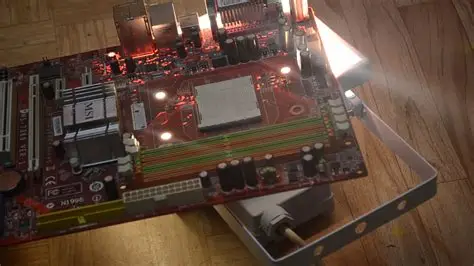
Early design decisions strongly influence recycling feasibility. Avoiding multilayer constructions simplifies layer separation. Selecting finishes such as immersion silver or organic solderability preservatives rather than certain metallic coatings can reduce chemical complexity during recovery. Keeping board dimensions modest and using standard panelization practices minimizes waste during fabrication itself.
Testing prototypes on smaller, single-sided boards made from more recyclable substrates allows hobbyists to evaluate performance before committing to larger runs. Documentation of material specifications with each project creates a record that supports responsible disposal later. These steps integrate sustainability into the normal workflow without requiring specialized equipment.
Related Reading: The Carbon Footprint of PCBs: How Recyclable Materials Can Make a Difference
Conclusion
Recyclable PCB materials give hobbyists tangible options for reducing the environmental footprint of DIY electronics. Understanding substrate behavior, planning for component removal, and following established quality criteria together support both functional projects and responsible end-of-life handling. Small, consistent choices in material selection and project documentation accumulate into meaningful improvements over time.
FAQs
Q1: What makes a PCB recyclable for hobbyists?
A1: Recyclable PCB for hobbyists typically uses substrates that permit easier separation of copper and fillers through mechanical or thermal means. Paper-based or certain thermoplastic constructions respond better than standard glass-epoxy laminates. Planning component removal and documenting materials further aids recovery efforts.
Q2: How can I practice eco-friendly PCB for DIY projects?
A2: Eco-friendly PCB for DIY begins with selecting substrates known for improved recyclability and designing boards for straightforward disassembly. Using single-sided layouts and avoiding mixed-material assemblies simplifies later processing. Proper desoldering and collection through local recycling channels complete the approach.
Q3: Is PCB recycling at home practical?
A3: PCB recycling at home is limited to desoldering components and basic size reduction. Full material separation usually requires industrial equipment. Hobbyists achieve the best results by preparing boards for professional recyclers through careful documentation and component removal.
Q4: Are there low-cost PCB recycling options for makers?
A4: Low-cost PCB recycling options focus on mechanical disassembly followed by participation in community or municipal electronics collection programs. Choosing recyclable substrates from the outset reduces processing complexity and potential fees. Consistent project records help recyclers handle boards efficiently.
References
IPC-6012E — Qualification and Performance Specification for Rigid Printed Boards. IPC, 2017
IPC-A-600K — Acceptability of Printed Boards. IPC, 2020