ALLPCB


Are you looking to develop air quality monitoring systems with speed and precision? Prototyping PCBs for such projects can be a game-changer, allowing you to test designs, validate performance, and iterate quickly. In this comprehensive guide, we’ll walk you through the process of PCB prototyping specifically for air quality monitoring applications. From leveraging rapid prototyping techniques to utilizing online PCB services and quick-turn PCB assembly, we’ll cover everything you need to ensure efficient design validation, effective testing methods, and a smooth iterative design process. Let’s dive into the details of building reliable and innovative air quality monitoring solutions with ALLPCB.
Why Air Quality Monitoring PCBs Require Specialized Prototyping
Air quality monitoring systems are critical tools in today’s world, used to measure pollutants like particulate matter (PM2.5, PM10), carbon dioxide (CO2), volatile organic compounds (VOCs), and more. These devices often operate in diverse environments, from urban centers to industrial zones, requiring robust and accurate PCB designs. Prototyping for these systems isn’t just about creating a functional board—it’s about ensuring precision, low power consumption, and durability under varying conditions.
Specialized PCB prototyping is essential because air quality sensors demand high sensitivity and minimal noise interference. For instance, a typical air quality sensor might require analog-to-digital conversion with a resolution of 12-16 bits to detect minute changes in pollutant levels. A poorly designed PCB could introduce signal noise, skewing readings by as much as 5-10%. This is why rapid prototyping and thorough design validation are vital to catch and correct issues early.
The Importance of Rapid Prototyping in Air Quality Monitoring Development
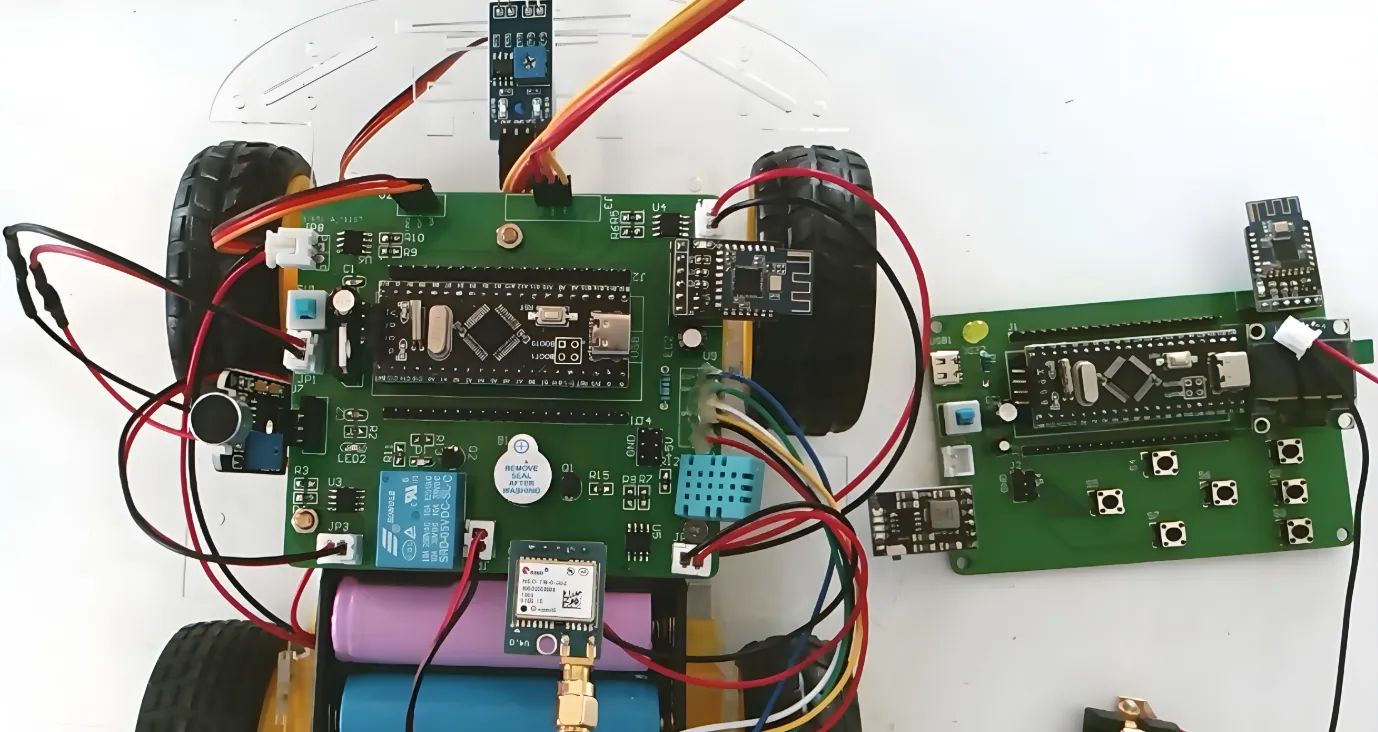
Rapid prototyping is the cornerstone of efficient development for air quality monitoring PCBs. It allows engineers to quickly test multiple design iterations, reducing time-to-market for innovative solutions. With environmental concerns on the rise, getting a reliable product out fast can make a significant difference in addressing public health needs.
By using quick-turn PCB assembly services, you can receive functional prototypes in as little as 24-48 hours for basic designs. This speed is crucial when testing sensor integration or power management circuits. For example, if a design shows a power draw of 50mA when the target is 20mA for battery-operated devices, rapid prototyping lets you tweak resistor values or switch to a lower-power microcontroller within days, not weeks.
The iterative nature of rapid prototyping also supports real-world testing. Air quality monitors often need to function in high-humidity or temperature extremes (e.g., -20°C to 50°C). Prototyping multiple versions with different thermal management layouts or component placements ensures the final design withstands these conditions.
Leveraging Online PCB Services for Faster Turnaround
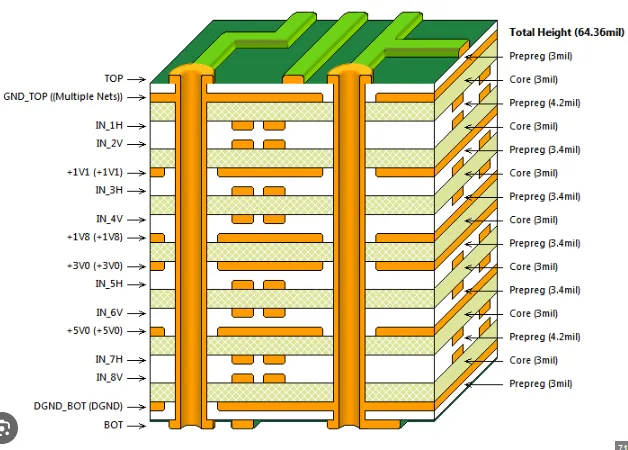
In the digital age, online PCB services have revolutionized how engineers approach prototyping. These platforms allow you to upload your Gerber files, specify requirements like layer count or material (e.g., FR4 with 1.6mm thickness), and receive fully assembled boards without leaving your workspace. This is particularly useful for air quality monitoring projects where time and precision are critical.
With ALLPCB, you can access quick-turn PCB assembly options tailored for small-batch prototypes. Imagine needing to test a new sensor module for detecting VOCs with a detection threshold of 0.1 ppm. Online services enable you to order a batch of 5-10 boards with surface-mount components placed with an accuracy of ±25 microns, ensuring consistent test results across units. Plus, real-time order tracking and quality analytics keep you informed at every step.
Key Steps in PCB Prototyping for Air Quality Monitoring
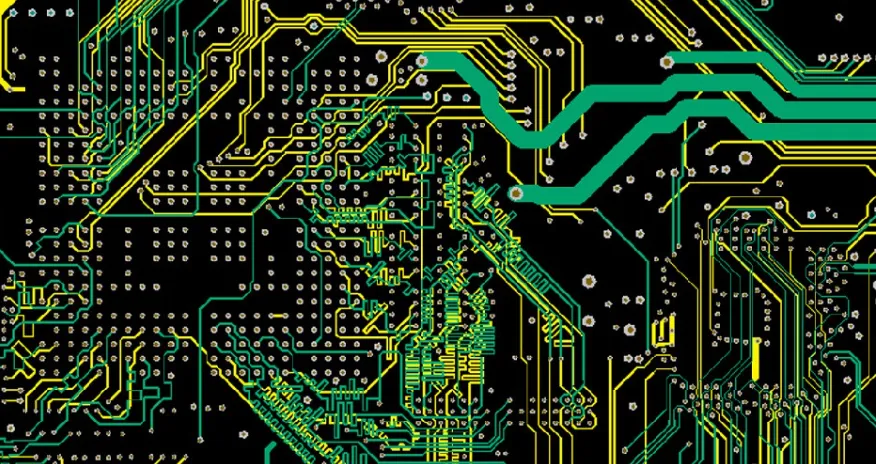
Creating a successful air quality monitoring PCB involves a structured approach to prototyping. Below are the essential steps to guide you through the process, ensuring efficiency and reliability.
1. Define Design Requirements
Start by outlining the specific needs of your air quality monitoring system. Will it measure PM2.5, CO2, or a combination of gases? What are the power constraints—does it need to run on a 3.3V supply for battery efficiency? For instance, a typical PM2.5 sensor might require a stable 5V input with a current draw of 100mA during active measurement. Defining these parameters upfront helps in selecting the right components and designing for minimal signal interference.
2. Schematic Design and Simulation
Once requirements are clear, create a schematic that integrates sensors, microcontrollers, and communication modules (like Wi-Fi or Bluetooth for IoT connectivity). Use simulation tools to test signal integrity and power distribution. For example, ensure that the impedance of traces carrying sensor data is matched to avoid signal reflection, which could corrupt readings by up to 3-5%.
3. Layout Design with Iterative Focus
The PCB layout phase is where iterative design begins to shine. Place sensitive components like sensors away from high-frequency noise sources (e.g., switching regulators). Keep trace lengths short for analog signals—ideally under 10mm—to reduce noise pickup. If the first layout shows issues like crosstalk during testing, an iterative design approach lets you revise and reorder boards quickly via online PCB services.
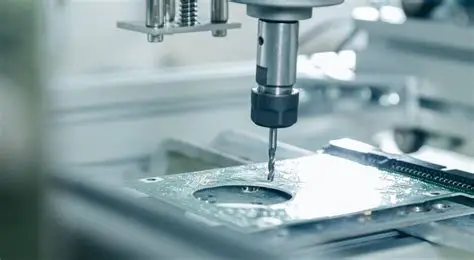
4. Prototype Fabrication and Assembly
Partner with a reliable provider for quick-turn PCB assembly. Specify requirements like lead-free soldering for environmental compliance or conformal coating for humidity resistance (important for outdoor air quality monitors). Fast assembly turnaround ensures you can move to testing within days.
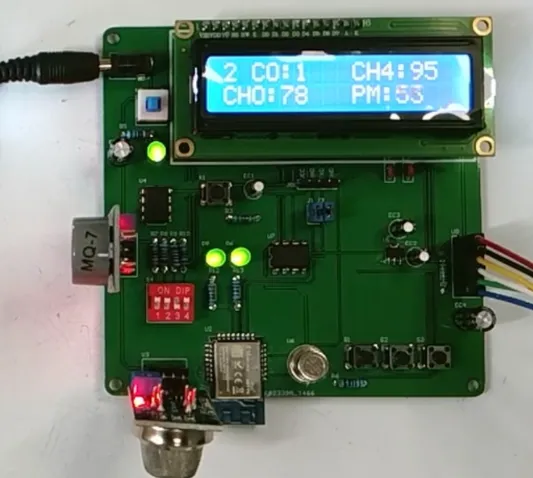
Design Validation: Ensuring Performance and Reliability
Design validation is a critical step in PCB prototyping for air quality monitoring. It’s not enough to have a board that powers on—it must deliver accurate data consistently. Validation involves checking if the PCB meets design specs under real-world conditions.
For instance, validate sensor accuracy by comparing readings against a calibrated reference device. If your PCB’s PM2.5 sensor reads 30 μg/m3 while the reference shows 35 μg/m3, there might be an issue with grounding or noise on the analog input line. Use an oscilloscope to check for voltage spikes on sensor outputs, which should ideally stay below 10mV for clean data.
Thermal performance is another validation focus. Air quality monitors may heat up during continuous operation, affecting sensor accuracy. Test the board at 40°C to ensure components like voltage regulators maintain output within ±0.1V of the specified value. If overheating occurs, revise the design with better heat sinks or lower-power components.
Testing Methods for Air Quality Monitoring PCBs
Effective testing methods are essential to confirm that your air quality monitoring PCB performs as intended. Here are some key approaches to integrate into your prototyping workflow.
Functional Testing
Start with functional testing to verify that all components work together. Power up the board and check if the microcontroller reads sensor data correctly. For a CO2 sensor, ensure output values range between 400-2000 ppm under controlled test conditions, aligning with typical atmospheric levels.
Environmental Testing
Simulate real-world conditions by exposing the PCB to temperature and humidity extremes. Use an environmental chamber to test at 85% relative humidity and 50°C for 24 hours. Monitor for any drift in sensor readings, which should stay within ±2% of baseline values for reliable operation.
Signal Integrity Testing
Use specialized equipment to measure signal integrity on critical lines. For digital communication like I2C or SPI between the sensor and microcontroller, ensure rise times are under 10ns to prevent data errors. Any deviation could indicate a need for layout adjustments in the next iterative design cycle.
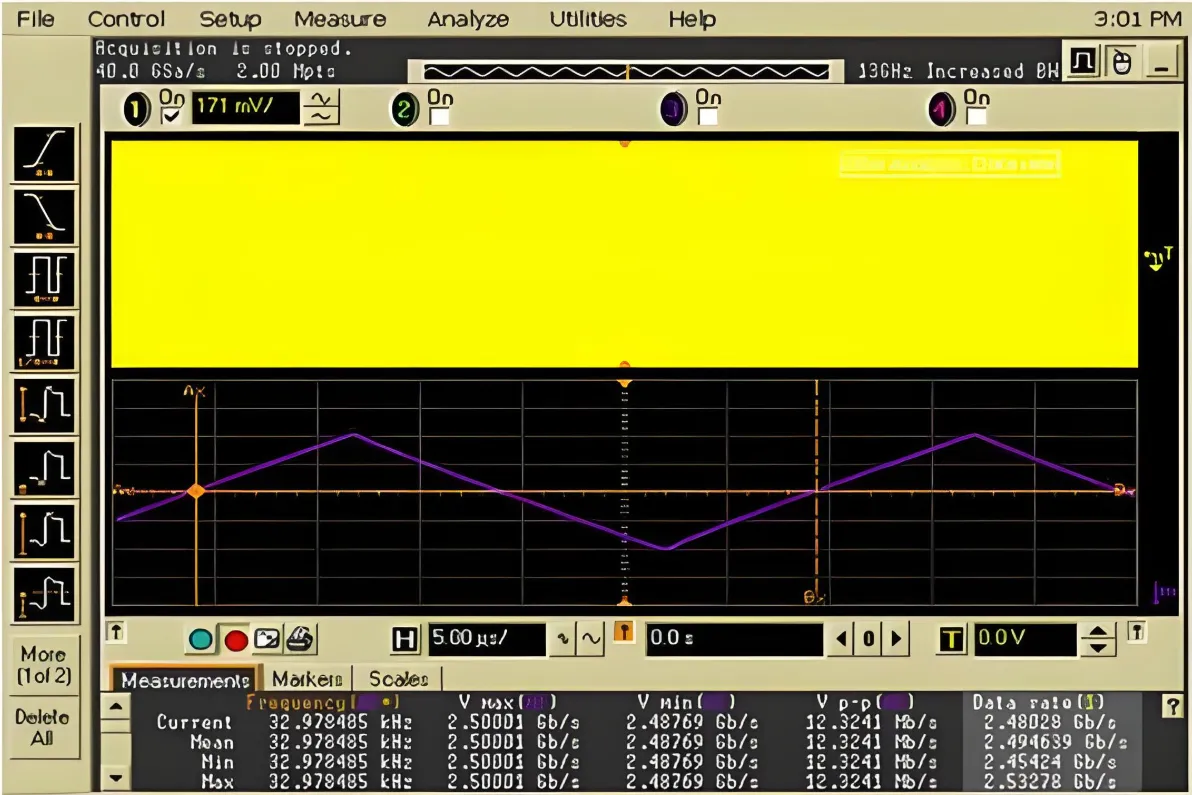
Iterative Design: Refining Your PCB for Optimal Results
The iterative design process is at the heart of successful PCB prototyping. Rarely does the first version of a board meet all requirements perfectly. Each iteration builds on lessons learned from testing and validation.
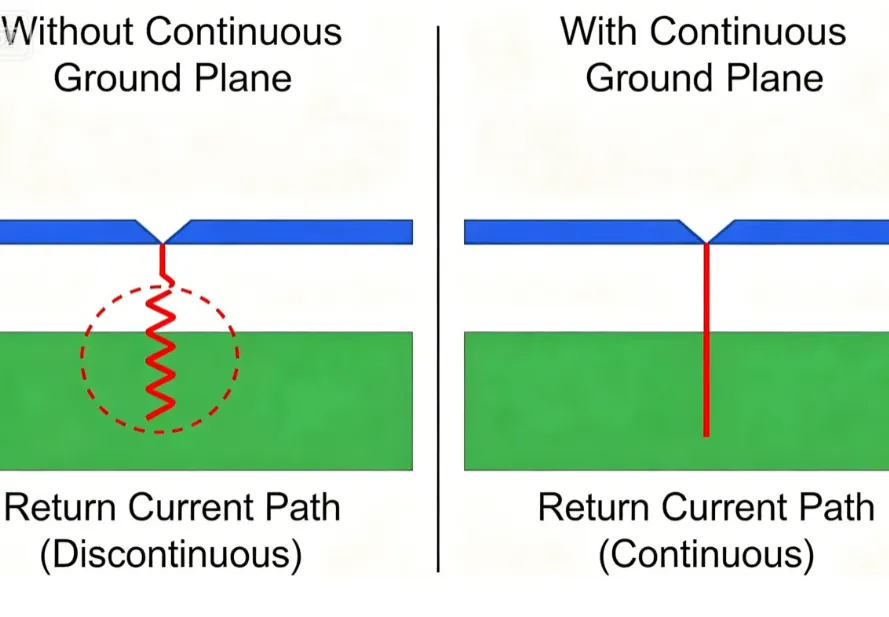
For example, if initial testing reveals a high noise floor on sensor outputs (e.g., 20mV peak-to-peak instead of the desired 5mV), the next iteration might involve adding a ground plane or rerouting traces. With rapid prototyping and online PCB services, you can implement these changes and receive updated boards in under a week. This cycle of design, test, and refine ensures your air quality monitoring PCB achieves the desired accuracy and reliability.
Benefits of Partnering with ALLPCB for Prototyping
Choosing the right partner for PCB prototyping can make all the difference in your development timeline and product quality. ALLPCB offers tailored solutions for engineers working on air quality monitoring systems. Our quick-turn PCB assembly ensures fast delivery without compromising on precision, while our advanced manufacturing processes support complex designs with high-density interconnects.
Additionally, our platform provides real-time quality analytics during production, so you’re always aware of potential issues before they impact your prototype. Whether you need a single board for initial testing or a small batch for field trials, our scalable solutions bridge the gap between prototyping and full-scale production seamlessly.
Conclusion: Accelerate Your Air Quality Monitoring Projects
Prototyping air quality monitoring PCBs doesn’t have to be a slow or cumbersome process. By embracing rapid prototyping, leveraging online PCB services, and focusing on design validation and iterative design, you can develop high-performing solutions in record time. Incorporate robust testing methods to ensure accuracy and reliability, and partner with a trusted provider like ALLPCB for quick-turn PCB assembly that meets your needs.
With the right approach, your air quality monitoring system can go from concept to reality efficiently, helping address critical environmental challenges with innovative technology. Start your prototyping journey today and build devices that make a real impact.