ALLPCB


Introduction
Printed circuit boards rely on surface finishes to protect exposed copper from oxidation and ensure reliable solder joints during assembly. These finishes directly impact the performance, longevity, and manufacturability of PCBs in demanding electronic applications. IPC standards provide the benchmark for quality and consistency, guiding manufacturers toward finishes that meet rigorous industry requirements. Among these, the IPC-4552 ENIG standard and IPC-4553 immersion silver standard stand out for their detailed specifications on plating processes and performance criteria. Adhering to PCB finish compliance helps prevent common failures like poor solderability or corrosion, which can compromise entire assemblies. For electric engineers, understanding these standards translates to better design choices and fewer production issues.
What Are PCB Surface Finishes and Why Do IPC Standards Matter?
PCB surface finishes are thin metallic or organic coatings applied to copper pads, traces, and vias to preserve solderability and prevent environmental degradation. Without proper finishes, copper oxidizes quickly, leading to unreliable connections in soldering processes. IPC standards define precise requirements for thickness, adhesion, and appearance, ensuring finishes perform under thermal stress, humidity, and handling. They promote uniformity across suppliers, reducing variability in quality standards PCB production. Compliance with these standards minimizes risks such as electromigration or intermetallic compound formation during reflow soldering. Electric engineers benefit from these guidelines by selecting finishes that align with application needs, from high-frequency signals to high-reliability aerospace boards.
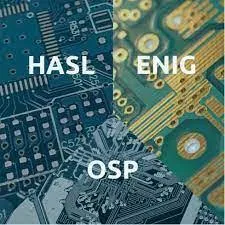
The evolution of lead-free soldering has heightened the need for robust finishes, as traditional options like HASL struggle with coplanarity on fine-pitch components. Standards like those from IPC address these challenges through performance-based criteria rather than just cosmetic appearance. Factory insights reveal that non-compliant finishes often result in higher defect rates during assembly, increasing costs and delays. By referencing quality standards PCB, engineers can specify finishes that support automated processes and long-term field reliability. Ultimately, IPC standards bridge design intent with manufacturing reality, fostering trust in the supply chain.
Key IPC Standards for Popular Surface Finishes
The IPC-4552 ENIG Standard
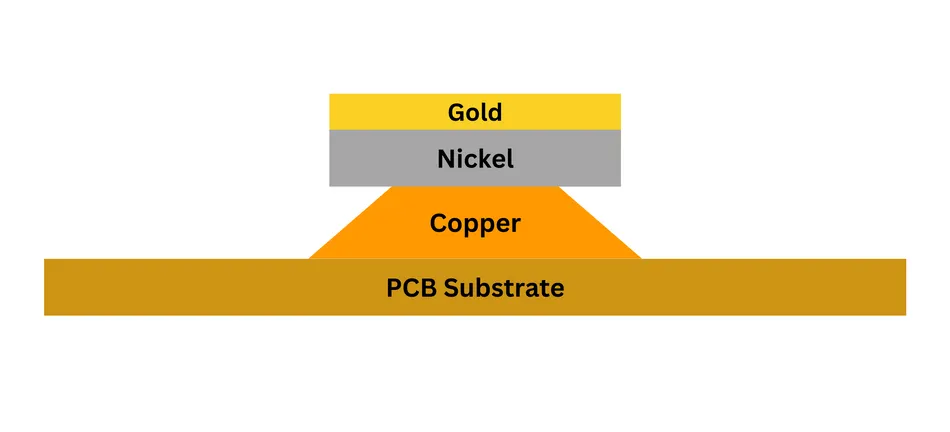
Electroless Nickel Immersion Gold, governed by the IPC-4552 ENIG standard, consists of a nickel barrier layer topped with a thin gold immersion layer. This dual-layer finish excels in wire bonding, press-fit insertions, and soldering due to gold's corrosion resistance and nickel's diffusion barrier properties. The standard outlines requirements for deposit thicknesses, typically 3 to 6 micrometers for nickel and 0.05 to 0.125 micrometers for gold, to avoid issues like black pad or excessive phosphor content in nickel. Factories monitor plating baths closely to maintain uniformity, as deviations can lead to brittle intermetallics during thermal cycling. ENIG's flat surface supports high-density interconnects, making it ideal for BGA and fine-pitch QFN packages. Compliance testing verifies no excessive nickel corrosion, ensuring the finish withstands multiple reflow cycles.
The IPC-4553 Immersion Silver Standard
Immersion silver, detailed in the IPC-4553 immersion silver standard, deposits a thin silver layer directly onto copper, offering excellent solder wettability and cost-effectiveness. The specification calls for thicknesses around 0.12 to 0.4 micrometers to balance protection against tarnish while promoting fast solder flow. This finish suits aluminum wire bonding and press-fit applications, but requires careful handling to prevent creep corrosion in humid environments. Production processes emphasize organic additives to enhance adhesion and minimize voids at the copper-silver interface. Silver's conductivity supports RF and microwave circuits where low signal loss matters. Engineers specify this for assemblies needing quick soldering without flux residues, though storage conditions must follow standard guidelines to maintain shelf life.
Surface Finish Testing and PCB Finish Compliance
Surface finish testing verifies adherence to IPC specifications through methods like X-ray fluorescence for thickness, cross-section microscopy for layer integrity, and solderability assessments. Quality standards PCB demand checks for uniformity, porosity, and contamination across panels. Immersion tests simulate environmental exposure, revealing weaknesses like pinholes or discoloration early in production. Solder float and dip tests evaluate wetting performance under thermal stress, aligning with broader IPC class levels for end-use reliability. Factories integrate these into incoming inspections and final audits to certify PCB finish compliance. Non-conformances trigger root-cause analysis, often tracing to bath chemistry or rinsing inefficiencies.
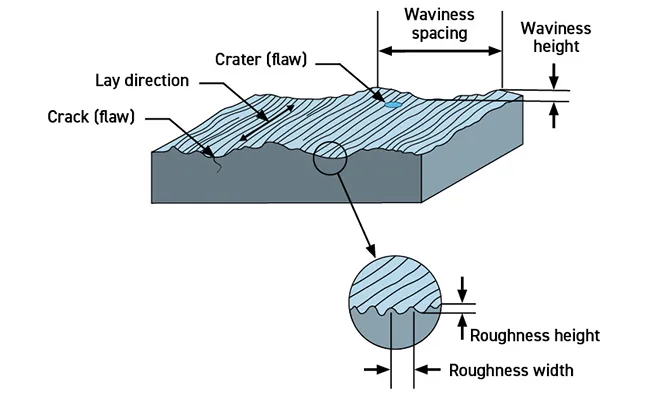
Visual inspections per IPC criteria classify finishes as acceptable or rejectable based on haze, pitting, or nodules. Electrical testing probes contact resistance post-finishing, ensuring no degradation from plating. For high-reliability boards, accelerated aging simulates years of service, confirming stability. Compliance documentation, including control charts and test reports, supports traceability in supply chains. Electric engineers reviewing these results can confidently qualify suppliers and predict assembly yields.
Best Practices for Ensuring Quality and Compliance
Select finishes based on assembly processes, component types, and environmental exposure to optimize performance. For ENIG, maintain nickel phosphorus content between 10% and 13% to prevent stress-induced cracking. Immersion silver benefits from nitrogen-purged storage to extend usability beyond six months. Implement incoming material verification with standardized test coupons representing production panels. Train operators on visual acceptance per IPC-A-600 to catch defects inline. Collaborate with plating vendors on process capability indices exceeding 1.33 for critical parameters.
Regular bath analysis and replenishment sustain consistent deposition rates. Post-plating cleanliness checks via ion chromatography minimize residues affecting solderability. For mixed-technology boards, qualify finishes across multiple reflow profiles mimicking real assembly. Document deviations with engineering justifications, avoiding waivers on thickness minima. These factory-driven practices reduce rework by up to 50% while upholding quality standards PCB. Engineers should audit supplier SPC data quarterly to sustain long-term compliance.
Troubleshooting Common Surface Finish Issues
Excessive gold thickness in ENIG leads to embrittlement, detectable via cross-sections showing thick intermetallics. Black pad manifests as non-wetting pads after reflow, often from hyper-corrosion during immersion gold plating. For immersion silver, creep corrosion appears as dendritic growth under conformal coatings in sulfur-rich atmospheres. Tarnish, a milky film, signals improper post-treatment rinsing. Mitigate by optimizing plating sequences and using anti-tarnish dips. Microsection analysis pinpoints root causes, guiding process tweaks for repeatable quality.
Conclusion
IPC standards like IPC-4552 ENIG standard and IPC-4553 immersion silver standard form the foundation for reliable PCB surface finishes. They ensure protection, solderability, and compliance in high-stakes applications. Factory adherence to surface finish testing and best practices minimizes defects and enhances assembly success. Electric engineers leveraging these guidelines achieve robust designs with predictable performance. Prioritizing PCB finish compliance not only meets regulatory demands but also drives product excellence across the electronics lifecycle.
FAQs
Q1: What is the IPC-4552 ENIG standard and why is it important for PCB finish compliance?
A1: The IPC-4552 ENIG standard specifies requirements for electroless nickel immersion gold plating, including layer thicknesses and corrosion resistance tests. It prevents issues like black pad, ensuring reliable solder joints in lead-free assemblies. Factories use it to standardize processes for high-density boards, supporting quality standards PCB in demanding environments. Compliance verifies performance for wire bonding and multiple reflows.
Q2: How does the IPC-4553 immersion silver standard address surface finish testing?
A2: IPC-4553 immersion silver standard defines thickness ranges and tarnish resistance for silver plating on copper. Testing includes visual inspection, solder float, and porosity checks to confirm solderability. It guides handling to prevent creep corrosion, vital for RF applications. Engineers rely on it for cost-effective finishes meeting PCB finish compliance.
Q3: What role do quality standards PCB play in surface finish selection?
A3: Quality standards PCB like IPC specifications dictate finish suitability based on assembly method and reliability needs. They provide criteria for thickness, adhesion, and environmental stability. Selecting per these reduces defects in production. Factory insights emphasize testing integration for consistent outcomes.
Q4: Why is surface finish testing critical for IPC compliance?
A4: Surface finish testing validates IPC metrics such as uniformity and wettability via XRF, microscopy, and solder dip methods. It identifies plating defects early, preventing assembly failures. Compliance ensures boards withstand thermal and mechanical stresses. Regular audits maintain supplier performance.
References
IPC-4552B — Specification for Electroless Nickel/Immersion Gold (ENIG) Plating for Printed Circuit Boards. IPC.
IPC-4553A — Specification for Immersion Silver Plating for Printed Circuit Boards. IPC.
IPC-A-600K — Acceptability of Printed Boards. IPC.
J-STD-003C — Solderability Tests for Printed Boards. IPC/JEDEC.