ALLPCB


Introduction
Accurate precipitation data collection is essential for meteorological observation, hydrological monitoring, and disaster mitigation. The tipping-bucket rain gauge, as a core monitoring device in these fields, integrates mechanical structure and electronic technology to enable automated, high-precision precipitation measurement. Its technical principles and application value are widely recognized in the industry.
Working Principle
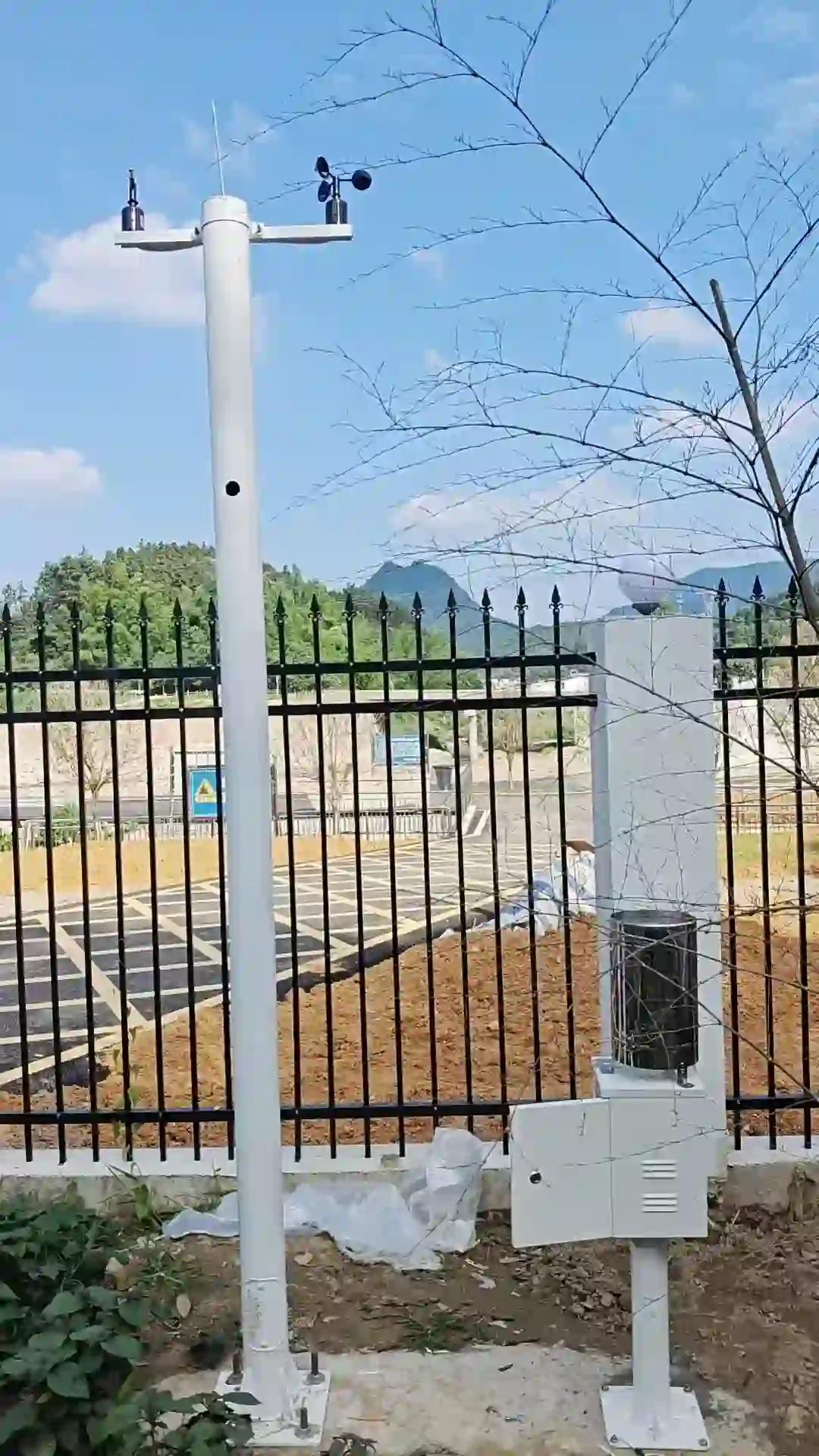
The tipping-bucket rain gauge operates through the coordinated action of mechanical tipping and signal conversion. The device consists of a rain collector, funnel assembly, tipping-bucket unit, signal trigger, and data processing module. During rainfall, the collector, sized to international standard diameter, channels water through the funnel into the measuring bucket at a controlled rate. The bucket is divided by a partition into two equal-volume triangular chambers, forming a bistable mechanical structure.
The tipping assembly uses a precision support system to minimize friction torque. When the water in one chamber reaches the calibrated threshold, gravity causes the bucket to tip rapidly, emptying the chamber while the opposite chamber moves into the collection position. A magnet fixed to the bucket scans past a reed switch during each tip, generating an open/close pulse. Each full tip corresponds to a fixed unit of precipitation. The data processing module converts the pulse count, frequency, and intervals into cumulative rainfall and real-time rainfall intensity.
During installation, leveling is critical. The base-mounted spirit level helps installers calibrate the device to avoid abnormal tipping behavior caused by tilt. The collector should be placed in an open area, and the funnel's mesh prevents leaves and debris from clogging the flow path.
Key Technical Specifications
Technical parameters follow hydrometeorological industry standards. The rain collector is formed from stainless steel and set to a 200 mm diameter, with the rim edge angled at 40° to 45° to reduce wetting error. Resolution options include 0.1 mm, 0.2 mm, and 0.5 mm to suit different applications; meteorological installations commonly select 0.1 mm to capture light precipitation.
Static laboratory tests under rainfall intensities of 0.4 mm/min, 2.0 mm/min, and 4.0 mm/min show measurement errors controlled within ±3%. The operating temperature range covers 0 C to -50 C, and relative humidity tolerance reaches 80% non-condensing. The device can withstand extreme weather such as heavy rain and strong winds. Electrical limits: withstand voltage <=100 V and withstand current <=0.5 A. With an integrated 4G full-network RTU module, the unit supports multi-station reporting and is compatible with the hydrology 651 protocol.
Technical Advantages
Compared with other rain-monitoring devices, the tipping-bucket rain gauge offers notable practical advantages. High precision and stability are key strengths: the precision bucket design and material selection reduce wear from friction, and a 0.1 mm resolution can detect microprecipitation equivalent to only a few drops, avoiding missed light-rain events. Automation and real-time reporting significantly improve monitoring efficiency. Pulse outputs can be generated at minute-level or even second-level intervals, and data are transmitted wirelessly to a monitoring platform, eliminating manual on-site readings.
The low-power design suits unattended operation. Static current draw is below 1 mA, enabling long-term deployment in remote locations when paired with solar power. The tipping-bucket's removable structure simplifies maintenance and cleaning, lowering the risk of failures due to sediment or insect blockage. Compared with piezoelectric and other sensor types, tipping-bucket gauges show superior immunity to electromagnetic interference and better low-temperature performance, and their mature mechanical design yields lower failure rates.
Applications
The tipping-bucket rain gauge is used across meteorology, hydrology, agriculture and forestry, municipal flood control, and infrastructure monitoring.
1. Meteorological monitoring: As a core instrument at weather stations, the device provides minute-level high-frequency data to capture short-duration heavy rainfall and other anomalies. For example, a 10-minute rainfall >= 20 mm can trigger rapid warning signals to support heavy-rain forecasting.
2. Hydrological monitoring: Deployed in mountainous and watershed areas, the gauge operates as an unmanned sentinel for long-term rainfall monitoring. Data feed directly into flood dispatch systems and water resource assessments, meeting standardized hydrological project requirements.
3. Smart agriculture and forestry: The 0.1 mm resolution can accurately detect 24-hour micro-precipitation under 5 mm, enabling irrigation systems to adjust automatically. The measurement range of 0 to 4 mm/min captures sudden heavy showers and can trigger field drainage actions to protect crops from waterlogging.
4. Municipal flood control: Installed in urban low-lying roads and key drainage network nodes, the devices provide real-time rainfall intensity and cumulative totals to inform road closures and activation of drainage infrastructure, helping reduce urban flooding risks.
5. Additional uses: The gauges are also applied in defense, highways, and railways to support infrastructure safety and operations.
Conclusion
The tipping-bucket rain gauge combines established mechanical principles with modern electronics to deliver precise, stable, and efficient precipitation monitoring. Its standardized parameter set and broad application compatibility make it a core component of hydrometeorological monitoring systems. Ongoing improvements in protocol compatibility and resilience to extreme environments are expected to extend its application range and further support disaster mitigation and water resource management.