ALLPCB


The electronics industry continues to explore sustainable alternatives to conventional materials as environmental regulations tighten and supply chain costs fluctuate. Biodegradable PCBs represent one such option, offering potential long-term economic advantages compared with traditional FR-4 substrates. Engineers and procurement teams evaluate these materials through detailed cost modeling that accounts for raw material prices, processing requirements, end-of-life handling, and compliance expenses. Over multi-year product lifecycles, the cumulative savings from reduced waste disposal fees and simpler regulatory reporting can offset higher upfront material costs in certain applications. This analysis examines the factors that influence whether biodegradable PCBs deliver measurable return on investment.
What Are Biodegradable PCBs and Why Cost Analysis Matters
Biodegradable PCBs use polymer matrices and reinforcements designed to break down under controlled composting or natural degradation conditions, unlike the glass-fiber epoxy construction of FR-4. The distinction affects both manufacturing sequences and downstream logistics. Cost analysis of biodegradable PCBs versus FR-4 therefore extends beyond purchase price to include energy consumption during fabrication, yield rates, and expenses associated with scrap handling. Procurement teams increasingly model total cost of ownership because regulatory frameworks in multiple regions now assign financial responsibility for electronic waste. When these externalized costs are internalized, the economic case for biodegradable options strengthens for products with shorter service lives or high-volume replacement cycles.
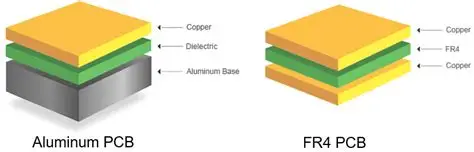
Factory-driven insights emphasize that material substitution decisions must align with existing process capabilities. Standard-aligned qualification testing ensures that any shift maintains acceptable electrical and mechanical performance while capturing the projected cost savings.
Technical Principles Governing Cost Differences
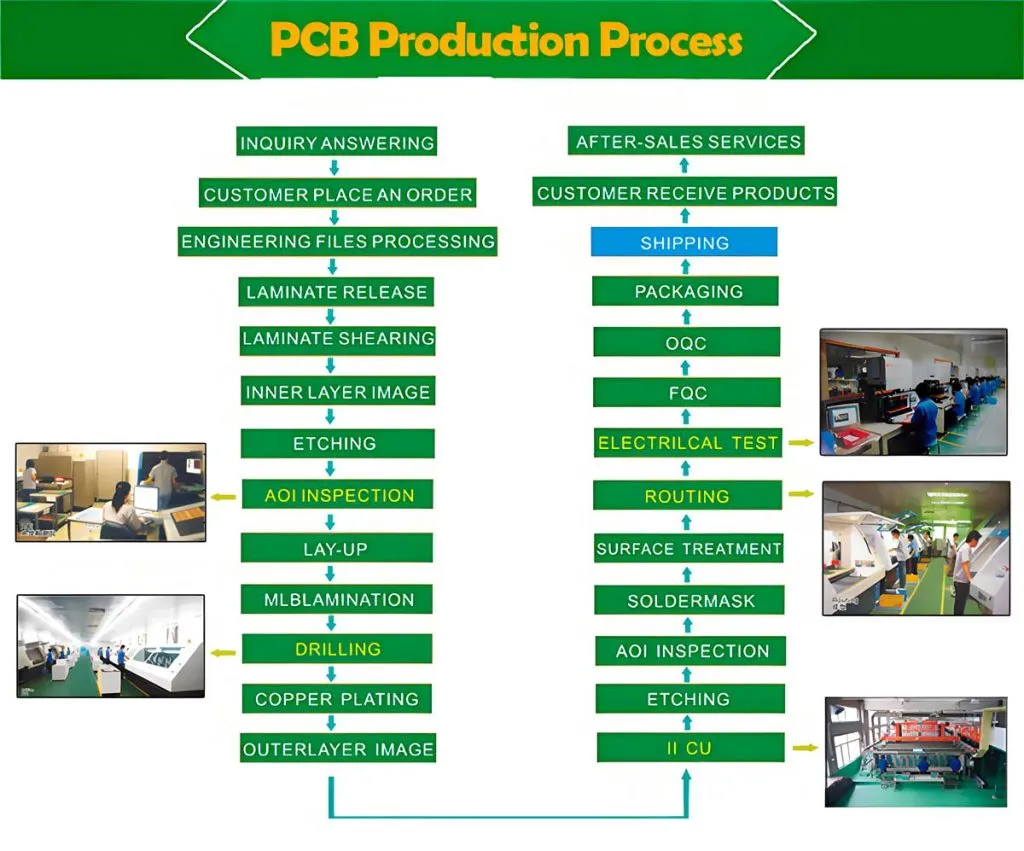
Material selection influences several cost drivers in PCB production. FR-4 relies on brominated epoxy resins reinforced with woven glass cloth, providing well-characterized thermal stability and dimensional control during soldering operations. Biodegradable alternatives typically employ bio-based resins or modified polymers that may require adjusted lamination pressures, cure profiles, or surface finishes to achieve comparable results. These process adjustments can affect throughput and scrap rates, directly impacting per-unit manufacturing expense. Industry standards such as those from IPC guide qualification procedures that verify performance equivalence before volume production begins.
Thermal expansion behavior and moisture absorption characteristics also factor into long-term reliability costs. Differences in these properties may necessitate design modifications such as additional copper balancing or protective coatings, adding engineering hours and material overhead. However, when products reach end of life, biodegradable substrates can reduce the mass sent to landfill or specialized recycling streams, lowering disposal fees that continue to rise in many jurisdictions. The net effect on total program cost depends on production volume, product lifespan, and local waste management economics.
Related Reading: Custom PCB Cost Per Unit: A Complete Guide
Practical Considerations for Evaluating Adoption
Engineers begin cost-benefit assessments by establishing baseline data for the current FR-4 design, including material spend, assembly yield, and projected warranty returns. They then model the biodegradable alternative using the same functional requirements, applying sensitivity analysis to material price volatility and regulatory change scenarios. Key variables include laminate thickness tolerance, copper adhesion strength, and compatibility with existing surface-mount processes. When these parameters remain within acceptable limits, the primary cost advantage emerges at the disposal stage rather than during fabrication.
Quality control protocols play a central role in realizing savings. Incoming inspection of biodegradable laminates must confirm consistent resin content and reinforcement distribution to avoid downstream defects that erode yield. Process engineers document any required equipment recalibration or operator training so that these one-time expenses are amortized across future production runs. In high-mix, low-volume environments, the flexibility to switch substrates without extensive re-qualification can further improve overall equipment effectiveness.
Related Reading: Green Materials in PCB Assembly: Exploring Biodegradable Substrates and Eco-Friendly Coatings
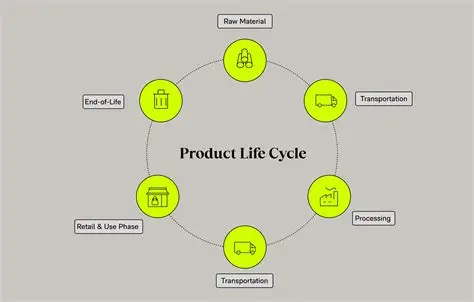
Procurement teams also examine supply chain resilience. Bio-based materials sourced from agricultural or industrial byproducts may exhibit different price stability compared with petroleum-derived FR-4 resins. Long-term contracts and multiple qualified suppliers help mitigate this risk while preserving the anticipated cost savings.
Manufacturing and Sustainability Alignment
Production facilities evaluate biodegradable PCBs against existing quality management frameworks to ensure seamless integration. Environmental management practices, often structured around ISO guidelines, encourage tracking of waste streams and energy intensity. When biodegradable materials reduce the volume or hazard classification of process waste, facilities may qualify for lower insurance premiums or expedited permitting, contributing to indirect cost reductions. These benefits accumulate most noticeably in operations that already maintain detailed environmental reporting.
Design teams apply the same IPC-driven acceptance criteria to both substrate types, focusing on criteria such as conductor spacing, via fill quality, and surface cleanliness. This consistency minimizes the learning curve and associated productivity loss during transition periods. Over successive product generations, accumulated process knowledge further narrows any initial cost gap.
Conclusion
Biodegradable PCBs can deliver positive return on investment when total cost of ownership calculations incorporate end-of-life expenses and regulatory compliance burdens alongside traditional manufacturing metrics. The magnitude of savings varies with application volume, product lifespan, and regional waste policies, requiring case-by-case modeling rather than universal assumptions. Engineers who integrate standard-aligned qualification early in the design cycle position their organizations to capture both environmental and economic benefits as material technologies mature.
FAQs
Q1: How does biodegradable PCB cost analysis differ from traditional FR-4 evaluations?
A1: Cost analysis for biodegradable PCBs incorporates end-of-life disposal fees and regulatory compliance expenses that are often lower than those associated with FR-4. Engineers compare raw material prices, process yields, and long-term waste handling costs across the full product lifecycle. This approach reveals potential net savings even when initial laminate costs are higher.
Q2: What factors influence FR-4 versus biodegradable PCB economics in high-volume production?
A2: Key factors include laminate purchase price, required process adjustments, scrap rates, and regional landfill or recycling charges. High production volumes amplify any per-unit differences in disposal costs, while stable supply chains for bio-based materials help control material price risk. Detailed modeling using IPC qualification data supports accurate forecasting.
Q3: Can cost savings from green PCBs offset higher material expenses over time?
A3: In many scenarios, reduced waste management fees and simplified regulatory reporting provide cumulative savings that offset elevated material costs within three to five years. The exact payback period depends on product lifespan and local environmental regulations. Organizations that track these metrics consistently identify opportunities for further optimization.
Q4: How do industry standards support reliable cost comparisons between substrate types?
A4: Standards such as IPC-6012E establish uniform qualification and performance requirements that allow direct comparison of reliability and yield data. ISO 14001 frameworks guide the tracking of environmental costs, ensuring that sustainability benefits are quantified consistently. These references enable procurement teams to build credible total-cost models without introducing unverified assumptions.
References
IPC-6012E — Qualification and Performance Specification for Rigid Printed Boards. IPC, 2017
ISO 14001:2015 — Environmental Management Systems. ISO, 2015
IPC-A-600K — Acceptability of Printed Boards. IPC, 2020