ALLPCB


Why Renewable Materials Matter in PCB Design
Renewable materials in electronics include bio-based polymers, cellulose-derived substrates, and other alternatives to conventional petroleum-based laminates. These options seek to lower reliance on non-renewable resources while supporting end-of-life processing. In the future of PCB design, such materials could influence choices related to thermal management, signal integrity, and mechanical stability. Disruptive technologies in PCB manufacturing may incorporate these materials where they meet or exceed existing benchmarks for electrical and physical properties. The shift reflects ongoing efforts to balance functionality with resource considerations across the supply chain.
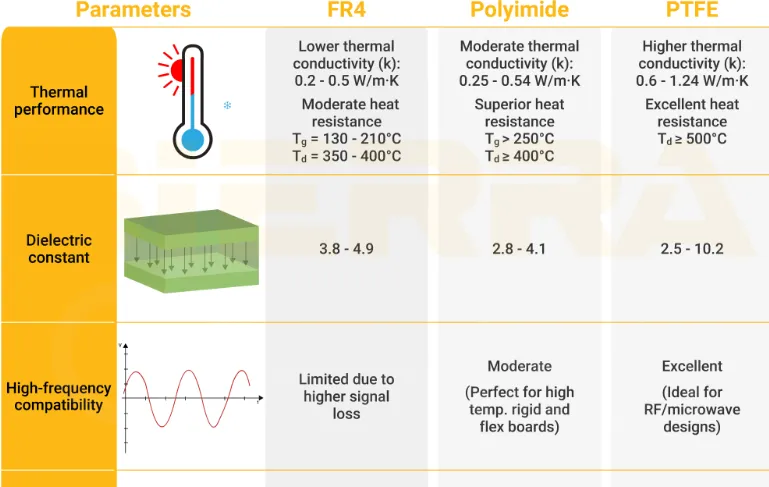
Engineers assess renewable materials by comparing key parameters such as glass transition temperature, dielectric constant, and moisture absorption rates to those of traditional options. Practical adoption depends on compatibility with assembly processes and long-term reliability under operating conditions. Industry discussions highlight potential benefits in reducing certain environmental footprints, though challenges remain in scaling production and ensuring consistent quality. Procurement teams and designers review these factors when planning new projects or updating existing designs.
Technical Principles of Renewable PCB Materials
Renewable substrates must deliver electrical insulation, thermal stability, and mechanical strength comparable to established materials. Bio-based resins, for example, often exhibit different curing behaviors and may require adjusted processing temperatures to achieve desired cross-linking. Variations in fiber reinforcement, such as natural fibers instead of glass, can affect dimensional stability during thermal cycling. Engineers analyze these differences through standardized testing protocols to verify performance before integration into layouts.
Moisture sensitivity represents a critical consideration because many renewable candidates absorb water more readily than conventional laminates. This property influences both storage conditions and reflow profiles during assembly. Material suppliers and designers work to modify formulations or apply surface treatments that mitigate absorption while preserving other characteristics. Thermal expansion coefficients also require close monitoring to prevent stress on copper traces and components over temperature ranges typical in electronics applications.
Innovative PCB materials under development frequently combine renewable elements with conventional ones in hybrid constructions. Such approaches allow incremental improvements without full replacement of proven systems. Dielectric performance, including loss tangent at high frequencies, must remain suitable for signal transmission requirements in modern circuits. Testing under accelerated conditions helps identify any degradation mechanisms unique to the renewable components.
Related Reading: DIY Green PCBs: A Beginner's Guide to Renewable Materials for Hobbyist Projects
Best Practices for Evaluating and Implementing Renewable Materials
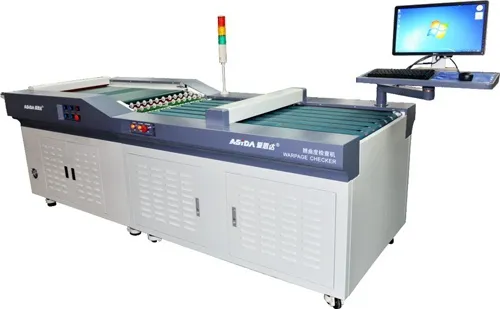
Designers begin by defining application-specific requirements for electrical, thermal, and mechanical performance. They then review material data sheets against these criteria and conduct qualification testing aligned with relevant industry standards. Early collaboration between design and manufacturing teams helps identify process adjustments needed for new substrates. Pilot builds provide data on yield, warpage, and assembly compatibility before broader rollout.
Quality control procedures emphasize incoming material inspection and in-process monitoring to maintain consistency. Parameters such as thickness uniformity and surface finish receive particular attention with renewable options. Documentation of test results supports traceability and future design iterations. When materials demonstrate compliance through repeated validation, they can be incorporated into production documentation and design rules.
Engineers also consider supply chain factors, including availability of consistent raw material sources and scalability of processing methods. Hybrid material stacks or selective use in non-critical layers offer practical pathways for initial adoption. Regular review of emerging data from material research helps teams stay informed about improvements in renewable formulations.
Related Reading: The Environmental Impact of PCB Manufacturing: Can Renewable Materials Make a Difference?
Standards and Qualification Considerations
Qualification of any new PCB material follows established specifications that define acceptance criteria for rigid boards. These specifications cover aspects such as visual inspection, dimensional tolerances, and electrical testing. Compliance verification ensures that renewable materials can support the same reliability expectations as conventional ones in demanding environments.
Additional standards address moisture sensitivity and reflow performance, guiding storage, handling, and assembly parameters. Manufacturers apply these guidelines during process development to minimize defects. Consistent application of such standards across evaluations supports objective comparisons between material options.

Conclusion
Renewable materials present opportunities to evolve PCB design practices while addressing sustainability considerations. Their integration depends on demonstrating equivalent or superior performance through rigorous engineering evaluation. As research advances, designers can expect more options that align with both technical standards and environmental objectives. Continued focus on testing, process adaptation, and standards compliance will determine the pace of adoption in the future of PCB design.
FAQs
Q1: How do renewable materials affect the future of PCB design?
A1: Renewable materials influence PCB design by introducing new variables in thermal, electrical, and mechanical performance that engineers must evaluate against application needs. They encourage updated design rules and qualification procedures while supporting sustainable electronics trends. Adoption remains selective based on proven reliability.
Q2: What challenges arise when using innovative PCB materials derived from renewable sources?
A2: Challenges include managing higher moisture absorption, achieving consistent thermal stability, and ensuring compatibility with existing assembly processes. Engineers address these through material modifications, hybrid constructions, and adherence to qualification standards. Thorough testing identifies suitable applications.
Q3: Are disruptive technologies in PCB manufacturing ready to incorporate renewable materials at scale?
A3: Manufacturing technologies continue to adapt through process adjustments and hybrid approaches that allow renewable materials in targeted applications. Scalability depends on consistent raw material supply and demonstrated performance under standards such as IPC-6012E. Pilot programs help validate readiness.
Q4: How do industry standards guide the use of renewable materials in electronics?
A4: Standards such as IPC-A-600K and JEDEC J-STD-020E provide acceptance criteria and handling guidelines that apply equally to renewable and conventional materials. They ensure that any substrate meets visual, dimensional, and reliability requirements before use in production. Compliance supports consistent quality across designs.