ALLPCB


Sustainable electronics have gained attention among electronic hobbyists who want to reduce waste while building functional projects. Renewable materials offer an alternative to conventional substrates for simple circuits that do not require high power or extreme conditions. This approach supports experimentation without relying on resource-intensive production methods. Hobbyists can explore these options to create boards that align with environmental considerations while maintaining basic electrical performance.
What Renewable PCB Materials Mean for Hobbyists
Renewable PCB materials typically replace traditional fiberglass with plant-derived or biodegradable alternatives such as cellulose-based sheets or biopolymer composites. These options suit low-complexity hobby projects like sensor interfaces or LED displays where thermal and mechanical demands remain modest. The shift matters because conventional boards contribute to long-term landfill accumulation, whereas renewable substrates can decompose or recycle more readily under appropriate conditions. Industry standards such as IPC-6012E provide guidance on qualification for rigid boards, helping hobbyists understand baseline expectations even in non-commercial work.
Technical Principles Behind Renewable Substrates
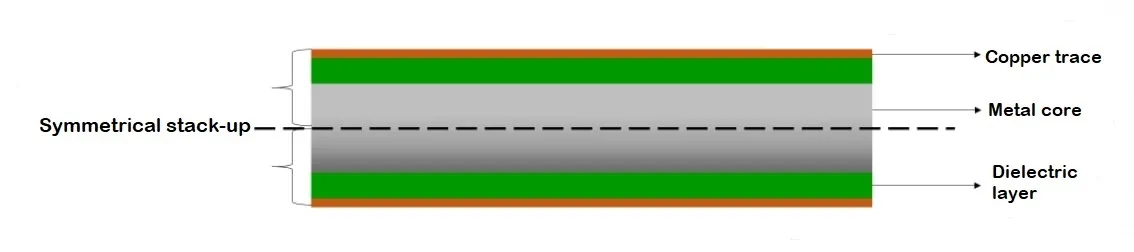
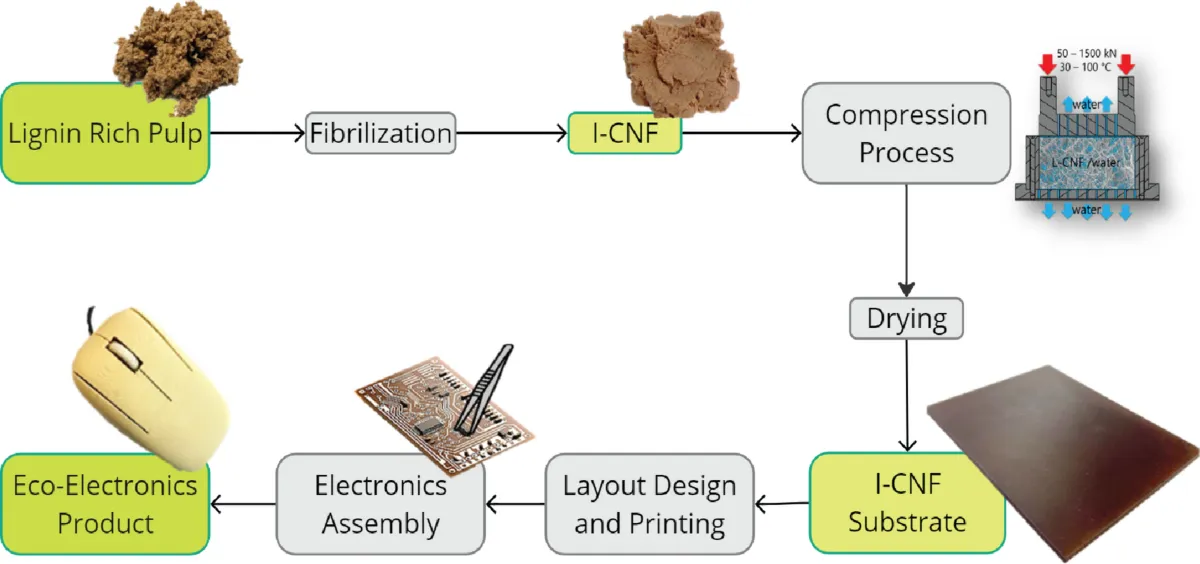
Renewable materials rely on natural polymers like cellulose or lignin to form the insulating layer that supports copper traces. These structures provide adequate dielectric properties for direct-current and low-frequency alternating-current circuits common in hobby applications. Thermal stability is generally lower than fiberglass-reinforced epoxy, limiting use to environments below typical reflow temperatures referenced in JEDEC J-STD-020E. Moisture absorption can be higher, requiring careful sealing or conformal coating for projects exposed to humidity. Electrical performance remains sufficient when trace widths and spacings follow conservative design rules suited to the material's characteristics.
Mechanical flexibility varies with the chosen renewable matrix, allowing some boards to bend slightly without cracking copper layers. This property benefits wearable or curved hobby enclosures but demands attention to strain during assembly. Conductive paths are usually formed by the same etching or deposition methods used on standard boards, though adhesion between copper and the renewable surface may require surface preparation such as light abrasion or primer application.
Related Reading: Selecting the Right PCB Materials for Renewable Energy Applications
Practical Steps for Creating Simple Renewable PCBs
Begin with circuit design focused on minimal trace density and low current to match the capabilities of renewable substrates. Print the layout onto transfer paper or use direct toner application on the prepared surface. Etch using solutions that minimize hazardous byproducts, such as diluted persulfate-based mixtures handled with proper ventilation and protective equipment. Rinse thoroughly and neutralize residues according to local disposal guidelines.
Related Reading: DIY PCB Etching for Beginners: A Step-by-Step Guide with Household Materials
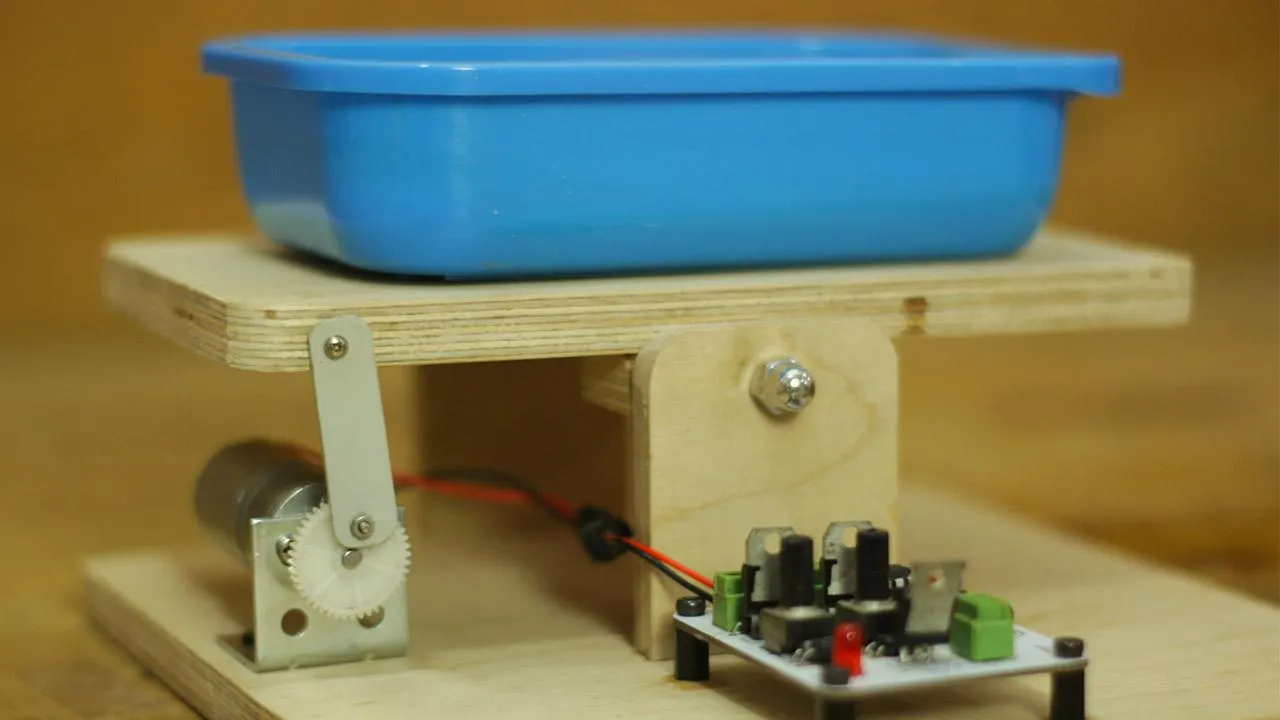
Drill mounting holes with standard bits after etching, taking care to avoid delamination common in softer renewable materials. Solder components using low-temperature profiles to prevent substrate distortion. Test continuity and insulation resistance before powering the circuit. For repeated builds, document material sources and process parameters to refine results over multiple iterations.
Best Practices and Quality Considerations
Maintain clean work surfaces to prevent contamination that could affect adhesion or conductivity. Apply consistent pressure during lamination or transfer steps to ensure uniform copper bonding. Inspect boards visually and with a multimeter for opens or shorts before component placement. When scaling to slightly more complex designs, verify that the renewable material meets basic insulation requirements outlined in relevant IPC guidelines.
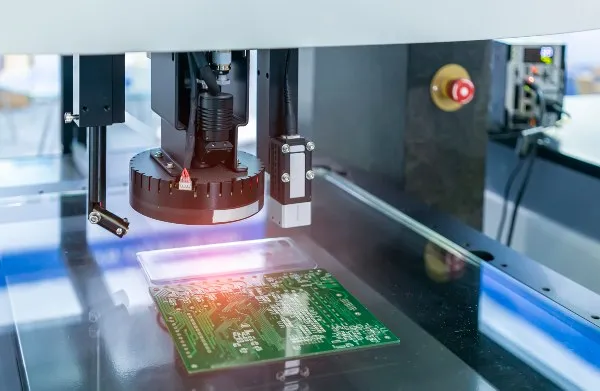
Store finished boards in dry conditions to limit moisture uptake that renewable substrates may exhibit more readily than conventional ones. For projects intended for extended use, consider hybrid approaches that combine renewable cores with protective outer layers where mechanical durability is needed.
Conclusion
Renewable materials open accessible pathways for hobbyists to build functional PCBs with reduced environmental footprint. By focusing on simple designs, appropriate materials, and careful processing, enthusiasts can achieve reliable results within the limits of these substrates. Continued experimentation helps refine techniques while respecting established industry standards for performance and safety.
FAQs
Q1: What are the main advantages of using DIY renewable PCB materials for hobby projects?
A1: Renewable substrates such as cellulose-based sheets reduce reliance on non-biodegradable fiberglass while supporting basic circuit functions. They suit low-power applications and allow hobbyists to explore sustainable options without specialized equipment. Performance remains adequate when designs stay within conservative electrical and thermal limits.
Q2: How do eco-friendly PCB etching techniques differ from standard methods for hobbyists?
A2: Eco-friendly etching often employs milder chemistries that produce fewer persistent waste products compared with traditional ferric chloride. These approaches require similar safety precautions but emphasize proper neutralization and disposal. Results on renewable materials can match conventional boards when surface preparation and timing are controlled.
Q3: Can renewable PCB materials support multilayer or high-frequency hobby designs?
A3: Most renewable options work best for single- or double-sided simple layouts due to lower thermal and dimensional stability. High-frequency or dense multilayer projects typically exceed the capabilities of current biodegradable substrates. Hobbyists achieve better outcomes by keeping designs straightforward and verifying performance through testing.
Q4: What standards should hobbyists reference when working with renewable PCB materials?
A4: Standards such as IPC-A-600K outline acceptability criteria for printed boards that apply regardless of substrate type. Following these helps ensure basic quality in DIY work. Additional guidance from ISO environmental management frameworks supports consistent practices in sustainable projects.
References
IPC-6012E — Qualification and Performance Specification for Rigid Printed Boards.
JEDEC J-STD-020E — Moisture/Reflow Sensitivity Classification for Nonhermetic Surface Mount Devices.
IPC-A-600K — Acceptability of Printed Boards.
ISO 14001:2015 — Environmental management systems requirements with guidance for use.