ALLPCB


Overview
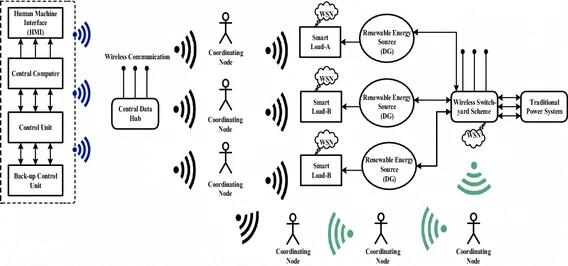
A smart grid uses information technology, communication technology, power electronics, and other modern technologies to upgrade traditional power grids and enable intelligent management and operation. Smart grid devices are a core part of the system, with a wide range of types and functions. Common device categories include the following.
Common Smart Grid Devices
- Smart substation: Uses digital and automation technologies to enable intelligent monitoring, control, and management of substation equipment, improving grid reliability, safety, and economic performance.
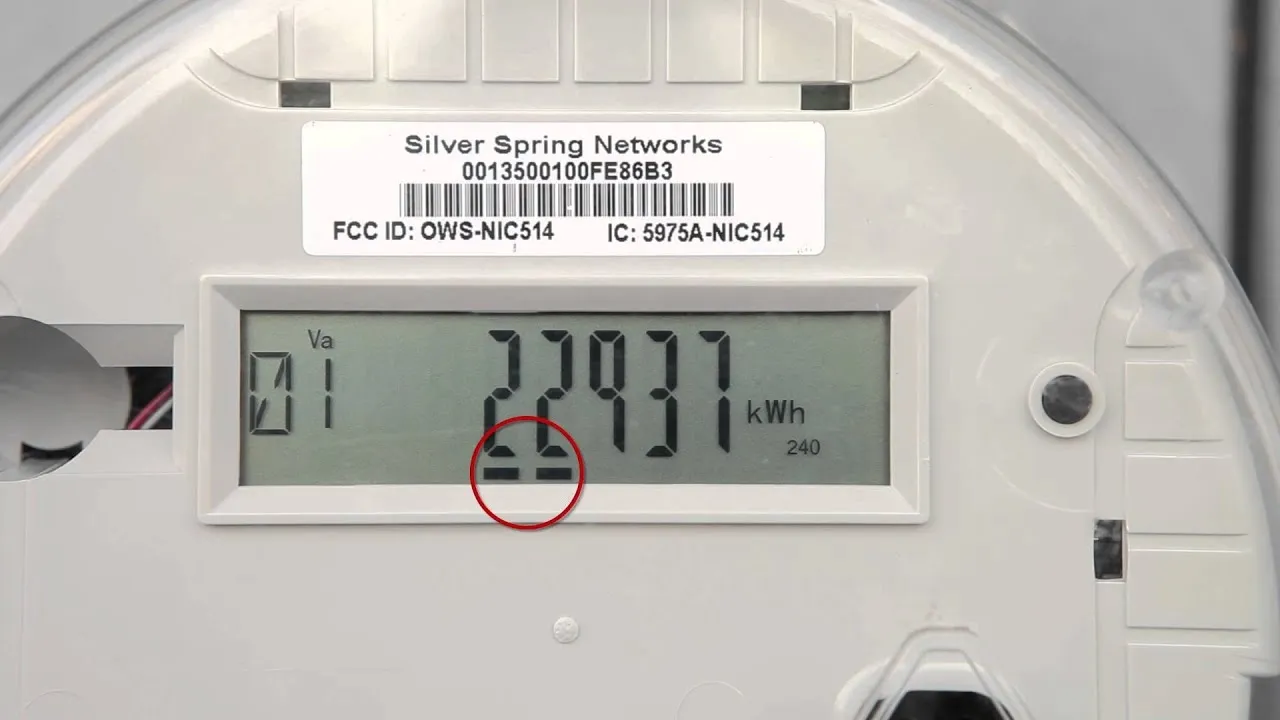
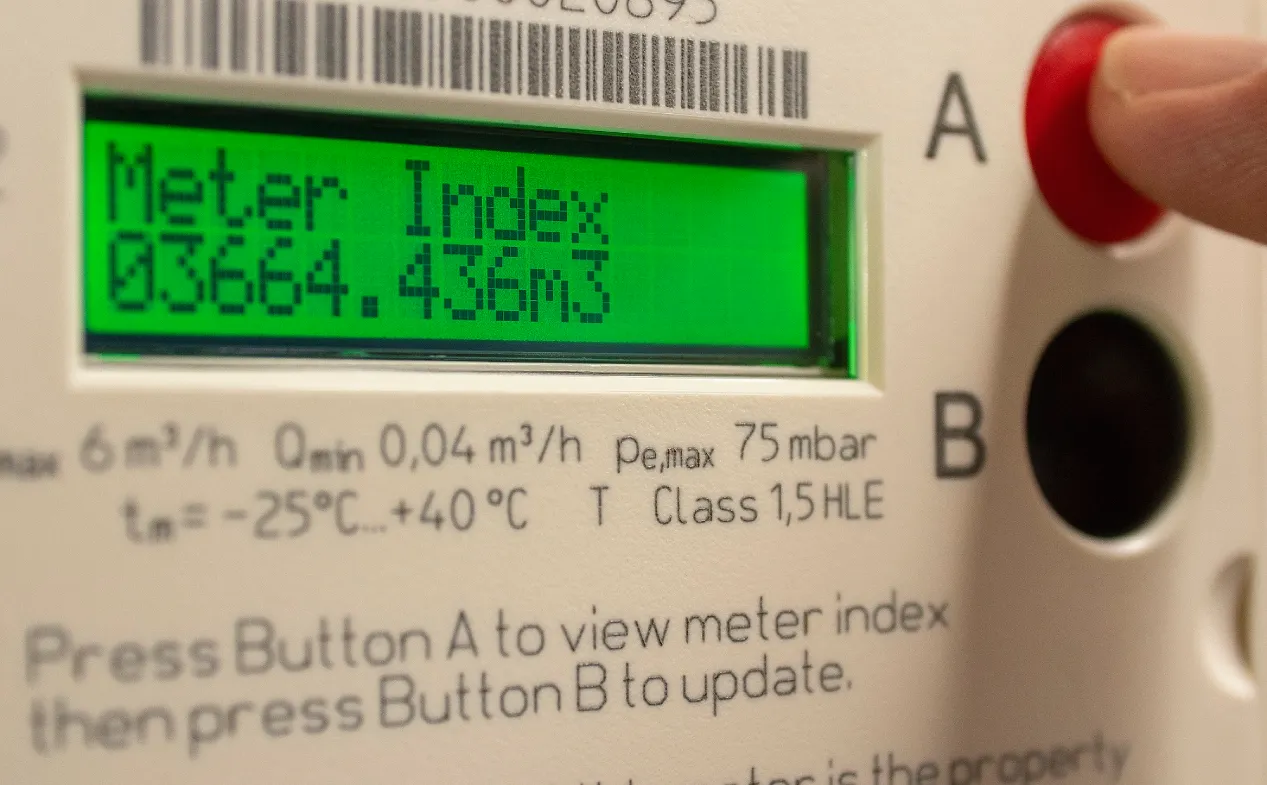
- Smart meter: Supports remote meter reading, prepaid billing, energy usage statistics, and other functions for intelligent energy management and consumption monitoring.
- Smart grid monitoring systems: Use sensors, cloud computing, and big data analytics to monitor, analyze, and assess grid operating conditions in real time, enabling prompt detection and resolution of faults.
- Intelligent load controller: Performs remote control and regulation of loads to manage and optimize grid demand.
- Smart charging stations: Use remote control and data sharing to manage and provide charging services for electric vehicles.
- Intelligent energy storage systems: Use batteries, supercapacitors, and other technologies to manage and dispatch stored energy for the grid.
- Smart distribution systems: Digitize, automate, and intelligentize distribution equipment to enable intelligent distribution management and operation.
- Microgrid systems: Connect distributed small power sources and loads into a microgrid that is coordinated and optimized through intelligent control and management.
Main Functions of a Smart Grid
A smart grid integrates the power system with advanced information and communication technologies to achieve efficient, reliable, secure, and economical transmission, distribution, scheduling, and management of energy. Key functions include:
- Supply-demand balancing: Real-time monitoring and dispatch systems track supply and demand and optimize resource allocation to maintain balance.
- Optimized energy utilization: Energy management systems enable precise management across production, transmission, distribution, and consumption to improve efficiency.
- Improved reliability and safety: Monitoring and early-warning systems detect faults and anomalies quickly, providing alerts and enabling corrective actions to enhance system reliability and safety.
- Enhanced economic performance: Market transaction systems support optimized resource allocation and market-based trading to improve economic efficiency and competitiveness.
- Support for renewable energy integration: Systems for integrating and managing renewable energy enable efficient utilization and facilitate large-scale deployment of renewable sources.
Overall, smart grid technologies enable comprehensive monitoring, efficient dispatch, and intelligent management of the power system, improving reliability, security, economic performance, and environmental outcomes to support sustainable development in the power sector.
New Requirements for Distribution Networks
Compared with traditional power systems, smart grids impose new requirements on distribution networks, including:
- Reliability: Distribution networks must provide higher reliability and stability, automatically detect and rapidly locate faults, isolate and restore faults, and minimize outage durations and impact.
- Flexibility: Networks must adapt quickly to changes in supply modes and grid topology, support integration and management of distributed energy resources, and meet diverse consumer demand.
- Sustainability: Distribution networks should manage and control energy consumption and emissions effectively, encourage clean energy development and use, and reduce environmental impact.
- Security: Networks must enable comprehensive monitoring and control to identify and mitigate security risks and ensure safe, stable operation.
To meet these requirements, distribution networks need to adopt advanced technologies such as intelligent sensing, adaptive control, big data analytics, and artificial intelligence for intelligent management and optimization, improving reliability, flexibility, sustainability, and security while advancing system modernization.