ALLPCB


Overview
Researchers at the Shenyang Institute of Automation, Chinese Academy of Sciences, have reported progress in smart grid optimization and dispatch. The related results were published in the journal IEEE Transactions on Smart Grid.
Background
With accelerating climate change and worsening environmental pollution, the cleanliness, security, and sustainability of power systems have drawn increased global attention. Deploying large-scale distributed renewable energy and applying advanced optimization and control techniques will help transition traditional power systems toward cleaner, safer, and more sustainable smart grids. Research on renewable integration, transient stability control, and economic operation has made significant progress internationally, but operational security and intelligent optimization methods for power systems with high shares of renewable generation still require further advances.
Method
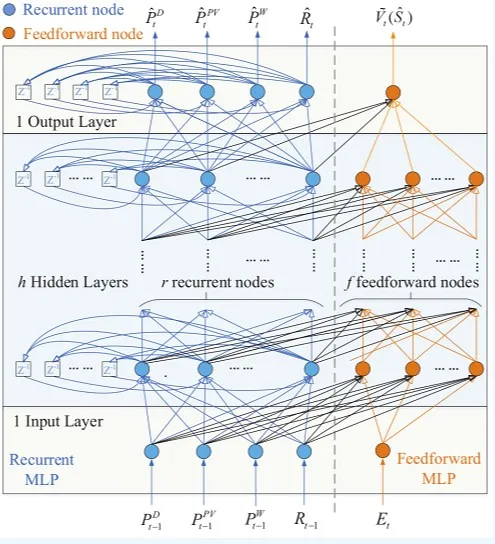
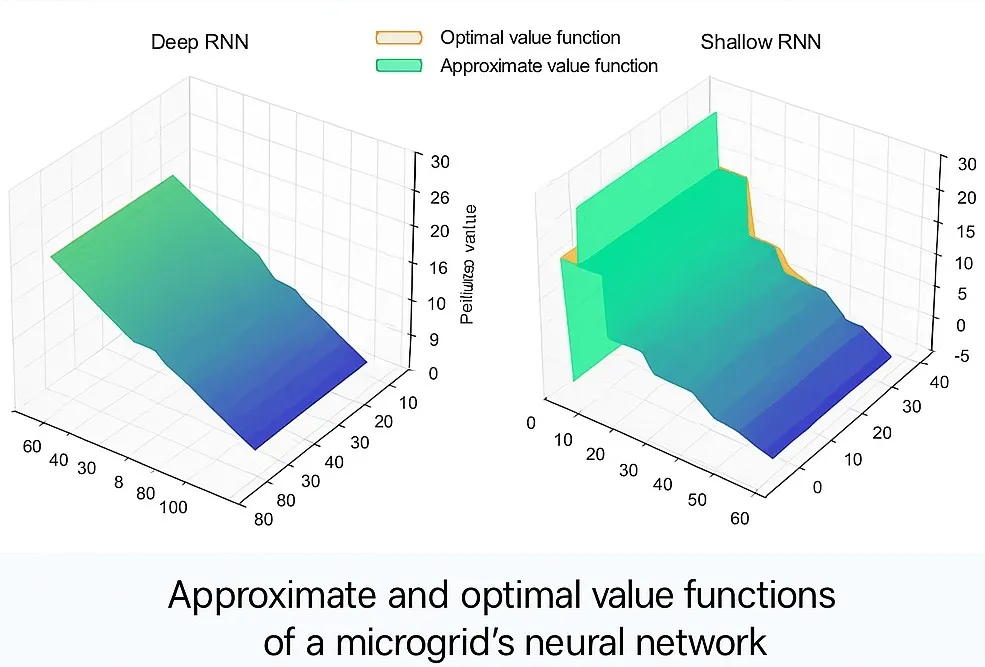
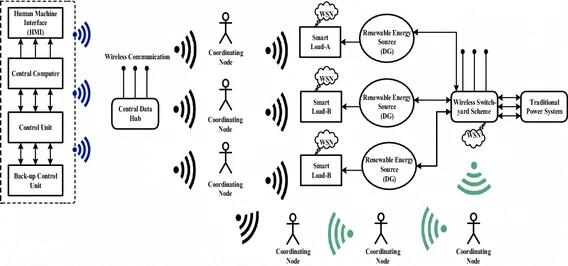
In the paper "Dynamic Energy Management of a Microgrid using Approximate Dynamic Programming and Deep Recurrent Neural Network Learning," the team proposes a real-time energy optimization method for microgrids based on deep reinforcement learning. The method accounts for the stochastic nature of renewable output and its impact on AC power flow constraints. A deep recurrent neural network is used to extract features from the microgrid's current operating state. Based on these features and while ensuring microgrid security, the approach schedules distributed generation units to achieve real-time optimized control of microgrid operation.
Key Advantages
Compared with current microgrid control methods, the proposed approach is entirely learning-based and does not require predictive modeling of renewable output, which enhances adaptability. This work represents a new direction in smart grid optimization and provides a research framework for applying machine learning techniques to smart grid operation.