ALLPCB


Overview
Programmable system-on-chip (PSoC) is a type of embedded system. It is implemented as a single chip that performs the system's main logic functions, and it supports programmability so designs can be scaled down, extended, or upgraded. PSoC devices allow in-system programmability of both hardware and software elements.
Key features
Processor core
At minimum, a PSoC contains one embedded processor core that implements the system's primary logic functions.
Programmable logic resources
On-chip programmable logic resources provide flexible configuration and allow the system to be adapted and expanded according to requirements.
IP core resources
A rich selection of intellectual property (IP) cores is available, including processors, memories, and various interface modules, which extend the system's functional capabilities.
High-speed RAM
On-chip high-speed RAM, typically small in capacity, supports the system's high-performance operations.
Interfaces and debugging
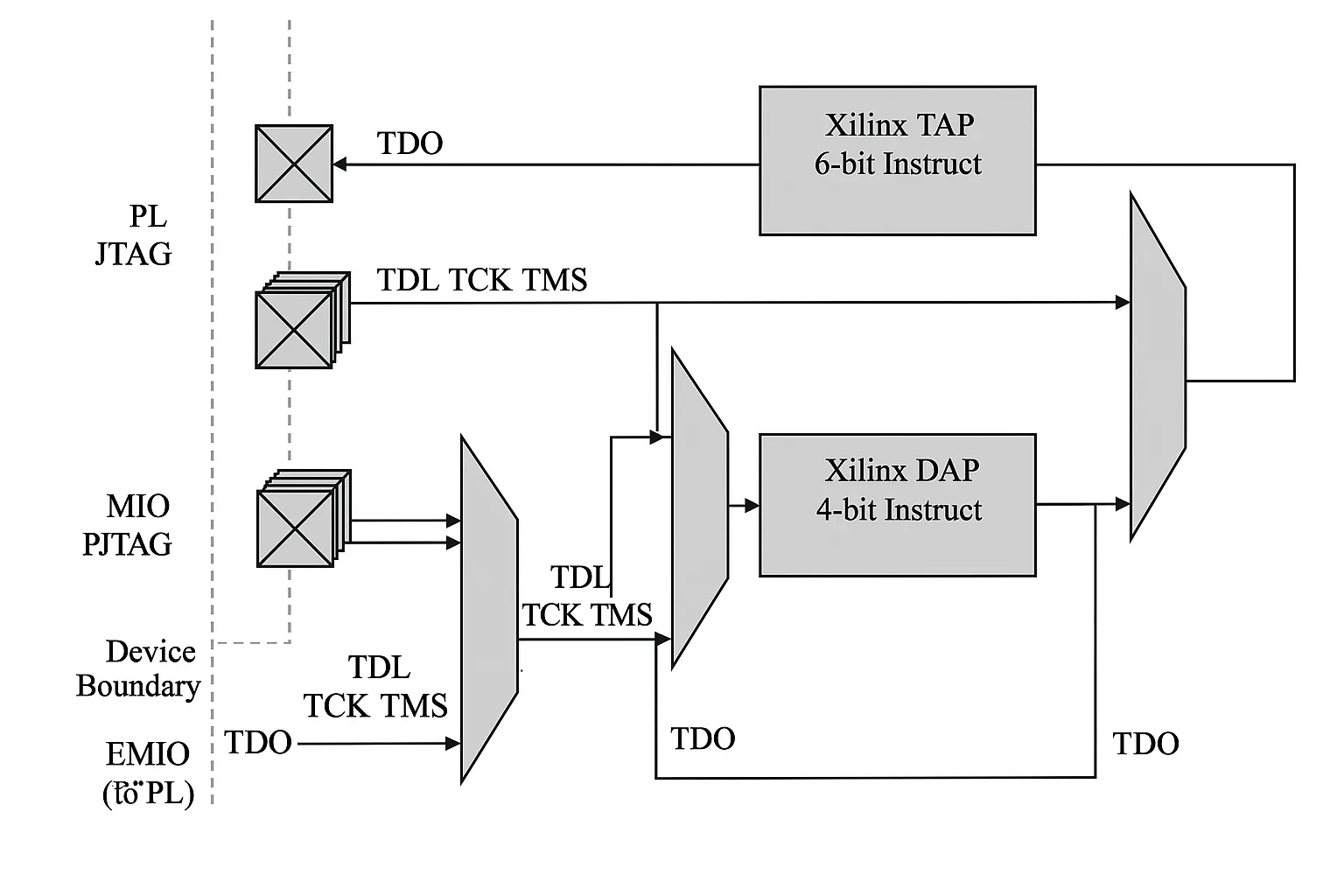
PSoC devices typically include processor debug interfaces and FPGA programming interfaces to facilitate system debugging and upgrades.
Analog circuits
Some devices include programmable analog circuits, which broaden the range of applicable use cases.
Integration and power consumption
As a single-chip solution, PSoC devices offer compact form factors and low power consumption, enabling efficient, high-density designs.
Primary applications
Common application directions include, but are not limited to:
- FPGA-based systems integrating IP cores to realize complex system-level functions.
- FPGA systems embedding soft-core processors for rapid prototyping and validation.
- HardCopy technology flows that convert verified designs into fixed hardware for production and commercialization.
These application directions highlight PSoC advantages such as flexibility, customization, and high integration. Specific application choices should be determined based on project requirements and technical constraints.