 ALLPCB


Introduction
Polyimide PCBs represent a critical advancement in printed circuit board technology for demanding industrial settings. These boards utilize polyimide as the base dielectric material, offering superior performance where standard FR4 laminates fail. Engineers designing for harsh environments prioritize polyimide PCB chemical resistance and polyimide PCB durability to ensure long-term reliability. In sectors like oil and gas exploration, chemical processing, and aerospace, exposure to corrosive chemicals, extreme temperatures, and mechanical stresses is commonplace. This article explores how polyimide PCB material properties enable robust operation in such conditions. By understanding these attributes, electrical engineers can select and implement solutions that meet rigorous operational demands.
What Is a Polyimide PCB and Why It Matters in Industrial Applications
A polyimide PCB employs polyimide film or laminate as the core substrate, distinguishing it from conventional rigid or flexible boards. Polyimide, a high-performance polymer, provides exceptional thermal stability, mechanical strength, and chemical inertness. Factory processes align with IPC-4101 specifications for base materials, ensuring consistent quality in polyimide formulations suitable for flexible, rigid-flex, or rigid designs. In industrial applications, polyimide PCB industrial applications extend to downhole sensors in oilfields, control systems in chemical plants, and avionics in aircraft.
The relevance stems from the limitations of epoxy-based materials in corrosive environments. Standard laminates degrade under prolonged solvent exposure or high humidity, leading to delamination or trace corrosion. Polyimide maintains structural integrity, supporting polyimide PCB corrosive environments where reliability directly impacts safety and uptime. For electric engineers, specifying polyimide reduces failure risks in mission-critical systems. Its low moisture absorption further enhances signal integrity over time.
Key Material Properties of Polyimide PCBs
Polyimide exhibits inherent chemical resistance due to its densely cross-linked molecular structure. This polymer repels common industrial solvents, hydrocarbons, esters, ethers, and alcohols without swelling or degradation. While it withstands weak acids effectively, exposure to concentrated strong acids or alkalis requires careful evaluation during design. These polyimide PCB material properties make it ideal for environments with oils, fuels, and hydraulic fluids prevalent in automotive and petrochemical sectors.
Thermal endurance complements chemical stability, with continuous operation exceeding 260 degrees Celsius in many formulations. The material's glass transition temperature often surpasses 250 degrees Celsius, preventing softening or warping under heat cycles. Mechanical durability includes high tensile strength and low creep, resisting fatigue from vibration or flexing. IPC-4202 outlines requirements for flexible base dielectrics like polyimide, verifying these properties through standardized tests.
In corrosive environments, polyimide's low dielectric constant and dissipation factor remain stable, preserving electrical performance. Unlike polyester alternatives, it avoids hydrolysis, ensuring no brittle failure from moisture ingress. Factory-driven insights emphasize matching polyimide thickness and copper weight to application stresses for optimal polyimide PCB durability.
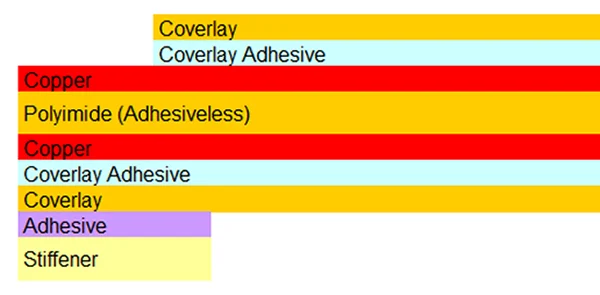
Mechanisms Behind Chemical Resistance and Durability
Chemical resistance in polyimide arises from its aromatic backbone and imide linkages, which form a barrier against molecular penetration. Solvents cannot easily disrupt these bonds, unlike in epoxy resins where polar groups facilitate absorption. This inertness extends to radiation and UV exposure, relevant for outdoor or downhole deployments. Durability testing per IPC-6013 confirms performance through immersion, thermal shock, and flex cycles.
Durability mechanisms involve balanced coefficients of thermal expansion between polyimide and copper foils, minimizing stress during temperature swings. The material's flame retardancy adds safety in volatile atmospheres. In polyimide PCB corrosive environments, surface finishes like ENIG or soft gold enhance trace protection without compromising flexibility.
Vibration resistance comes from high modulus and tear strength, crucial for automotive engine controls or aerospace actuators. Engineers note that polyimide's dimensional stability prevents warpage, even after repeated thermal excursions. These combined traits ensure polyimide PCB industrial applications deliver extended mean time between failures.
Practical Best Practices for Implementing Polyimide PCBs
Selecting polyimide grades involves assessing specific chemical exposures and thermal profiles early in design. Collaborate with manufacturers experienced in high-reliability processes to achieve uniform lamination and via plating. Adhesiveless constructions using direct copper bonding maximize flexibility and reduce delamination risks in harsh conditions.
Design guidelines recommend wider traces and larger pads to accommodate potential CTE mismatches under stress. Simulate environmental exposures using finite element analysis to predict failure modes. During procurement, specify compliance with IPC-6013 for qualification, including chemical resistance via immersion tests.
Manufacturing best practices include controlled curing to avoid voids and precise etching for fine lines. Post-process baking removes residual moisture, enhancing polyimide PCB durability. For assembly, select lead-free solders compatible with high-temperature profiles to prevent substrate damage.
Testing protocols should replicate end-use conditions, such as salt fog for corrosive environments or hydraulic fluid dips. Highly accelerated life testing accelerates validation without field trials. These steps align factory outputs with field performance.
Industrial Applications and Real-World Insights
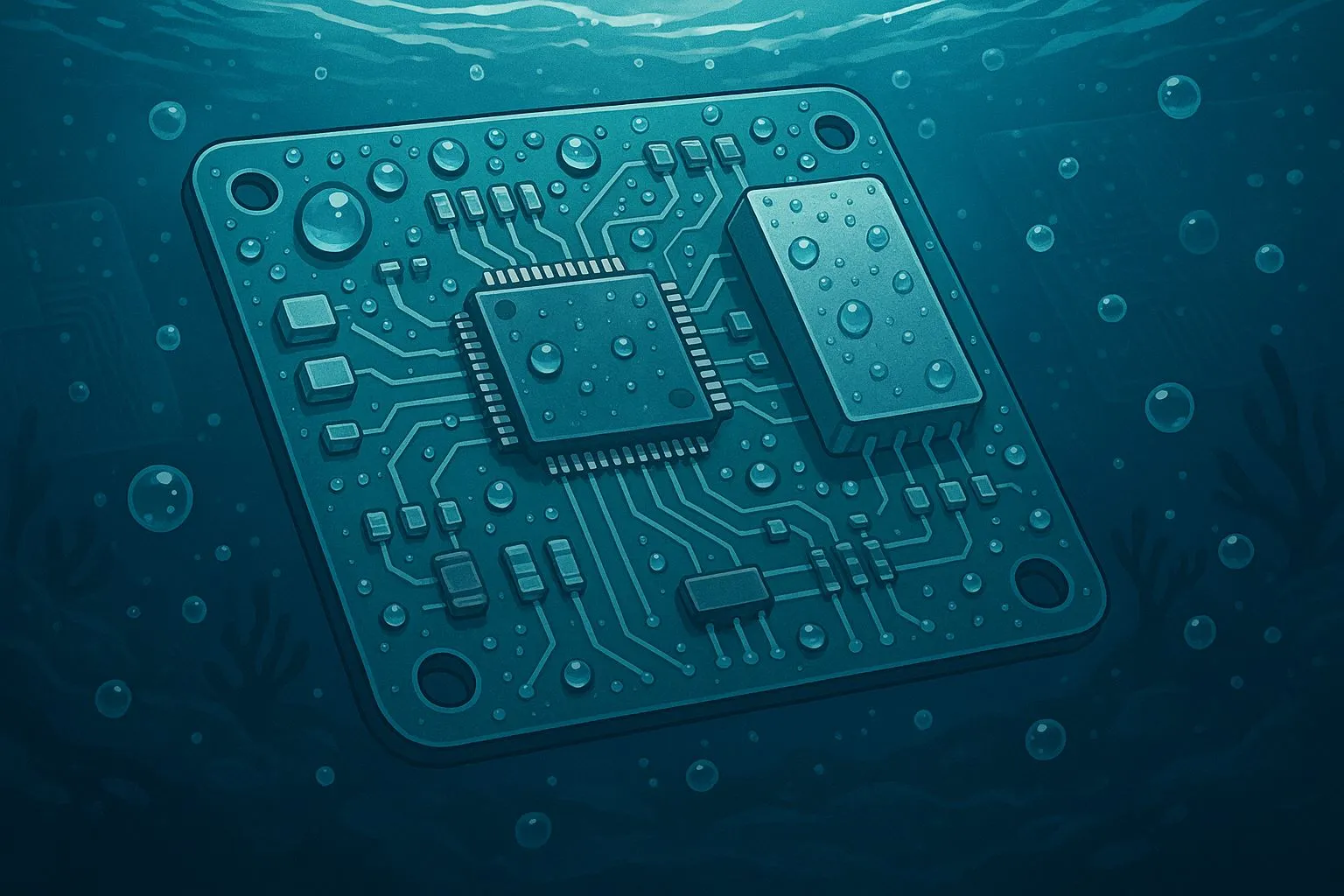
In oil and gas, polyimide PCBs power downhole tools enduring high pressures, temperatures, and drilling fluids. Chemical plants rely on them for sensor arrays monitoring reactive processes, where polyimide PCB chemical resistance prevents sensor drift. Automotive applications include engine management modules exposed to oils and coolants.
Aerospace systems use rigid-flex polyimide variants for compact, lightweight interconnects in avionics. These boards withstand rapid decompression and thermal cycling from -55 to over 125 degrees Celsius. Factory insights reveal that multilayer polyimides excel in high-density designs for space-constrained harsh environments.
Troubleshooting common issues involves inspecting for microcracks post-flexing or contamination during handling. Proper storage in dry nitrogen cabinets preserves material properties pre-assembly.
Conclusion
Polyimide PCBs stand out for their unmatched chemical resistance and durability in harsh industrial settings. Key material properties enable reliable polyimide PCB industrial applications across diverse sectors. Adhering to standards like IPC-4101, IPC-4202, and IPC-6013 ensures factory-aligned quality. Electrical engineers benefit from proactive design and testing to leverage these advantages fully. Ultimately, specifying polyimide minimizes downtime and enhances system longevity in corrosive environments.
FAQs
Q1: What makes polyimide PCB chemical resistance superior for industrial use?
A1: Polyimide's cross-linked structure resists penetration by solvents, oils, and weak acids common in factories. This property maintains electrical integrity without delamination, unlike FR4 materials. IPC-4202 verifies these traits for flexible applications. Ideal for chemical plants and oilfields requiring long-term exposure handling.
Q2: How does polyimide PCB durability perform in corrosive environments?
A2: Durability stems from high mechanical strength and low moisture absorption, preventing corrosion-induced failures. It endures vibration and thermal cycles while preserving trace adhesion. Factory tests per IPC-6013 confirm suitability for automotive and aerospace. Engineers specify it for mission-critical reliability.
Q3: What are the primary polyimide PCB material properties for harsh conditions?
A3: Key properties include thermal stability over 260 degrees Celsius continuous, chemical inertness to hydrocarbons, and flexibility without creep. These support polyimide PCB corrosive environments effectively. Low CTE ensures stability across temperatures. Select based on exposure profiles for optimal performance.
Q4: In which polyimide PCB industrial applications is durability most critical?
A4: Critical in downhole sensors, avionics, and process controls where failures cost downtime. Polyimide excels due to resistance against fluids and stresses. Standards guide qualification for these uses. Procurement teams prioritize it for high-reliability needs.
References
IPC-4101G — Specification for Base Materials for Rigid and Flexible Printed Circuit Boards. IPC.
IPC-4202B — Flexible Base Dielectrics for Use in Printed Circuitry. IPC.
IPC-6013E — Qualification and Performance Specification for Flexible and Rigid-Flex Printed Boards. IPC.





