 ALLPCB


Introduction
High-frequency PCBs handle signals in the GHz range for applications like radar systems, telecommunications, and satellite communications. These boards demand precise control over material properties and fabrication processes to minimize signal loss and maintain integrity. Industry standards provide the framework for achieving consistent quality and performance. This article compares key High-Frequency PCB Industry Standards, focusing on IPC standards and MIL standards, along with their performance grades and quality levels. Electric engineers must select the appropriate standard based on application reliability needs and environmental demands. Understanding these differences ensures optimal design and manufacturing outcomes.
High-Frequency PCB Industry Standards define requirements for materials, construction, testing, and qualification of boards operating at microwave frequencies. These standards address challenges like dielectric losses, impedance variations, and thermal stability that affect signal propagation. IPC standards offer guidelines widely adopted in commercial sectors, while MIL standards emphasize ruggedness for defense applications. Compliance ensures boards meet performance thresholds under harsh conditions, reducing failure risks in deployed systems. For electric engineers, selecting the right standard aligns manufacturing with end-use specifications, balancing cost and reliability. Factory-driven insights reveal that adherence to these standards streamlines production and enhances yield rates.
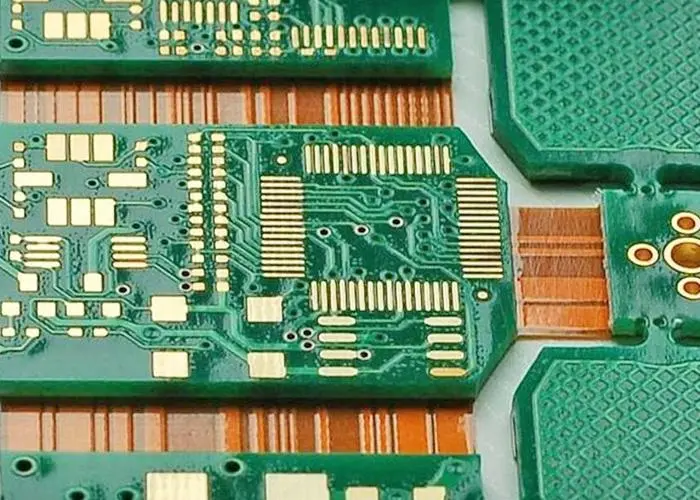
The relevance stems from the exponential growth in high-speed electronics, where even minor deviations in board quality lead to signal degradation. Standards specify tolerances for conductor geometry, surface finishes, and plating thickness to preserve electrical characteristics. They also guide qualification testing for moisture resistance and thermal cycling. In manufacturing, these benchmarks facilitate interoperability across supply chains. Ultimately, they safeguard long-term functionality in critical infrastructure.
What Are High-Frequency PCB Industry Standards and Why Do They Matter?
High-Frequency PCB Industry Standards define requirements for materials, construction, testing, and qualification of boards operating at microwave frequencies. These standards address challenges like dielectric losses, impedance variations, and thermal stability that affect signal propagation. IPC standards offer guidelines widely adopted in commercial sectors, while MIL standards emphasize ruggedness for defense applications. Compliance ensures boards meet performance thresholds under harsh conditions, reducing failure risks in deployed systems. For electric engineers, selecting the right standard aligns manufacturing with end-use specifications, balancing cost and reliability. Factory-driven insights reveal that adherence to these standards streamlines production and enhances yield rates.
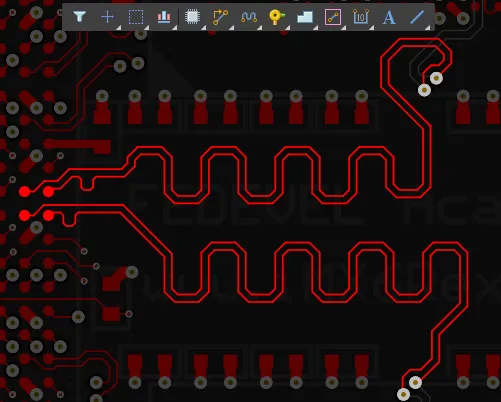
The relevance stems from the exponential growth in high-speed electronics, where even minor deviations in board quality lead to signal degradation. Standards specify tolerances for conductor geometry, surface finishes, and plating thickness to preserve electrical characteristics. They also guide qualification testing for moisture resistance and thermal cycling. In manufacturing, these benchmarks facilitate interoperability across supply chains. Ultimately, they safeguard long-term functionality in critical infrastructure.
Key High-Frequency PCB Standards: IPC and MIL
IPC-6018D serves as the primary IPC standard for high-frequency and microwave printed boards, covering qualification and performance specifications. It defines eight board types, from single-sided to multilayer configurations with blind or buried vias, tailored for RF and microwave needs. This standard emphasizes low-loss dielectrics and precise impedance control essential for high-frequency operation. Manufacturers use it to verify board conformance through electrical and mechanical tests.
MIL standards, such as MIL-PRF-31032, target printed circuit boards for military applications, imposing stricter material and process controls. This performance specification requires enhanced traceability, environmental testing, and qualification processes beyond commercial norms. It addresses high-reliability demands in extreme temperatures and vibrations common in defense systems. Factories implementing MIL-PRF-31032 integrate additional inspections for solderability and contamination control.
Both standards overlap in requiring robust construction, but MIL adds layers of documentation and lot qualification. IPC-6018D focuses on microwave-specific attributes like surface roughness for low insertion loss. Electric engineers benefit from IPC's flexibility for prototyping, while MIL ensures mission-critical durability.
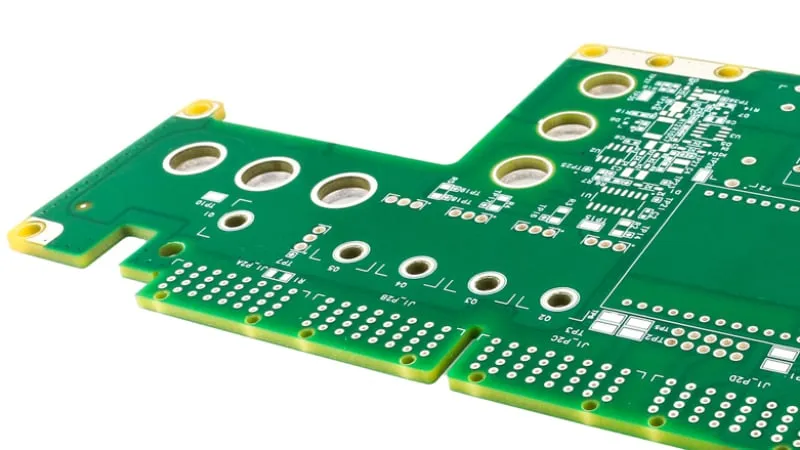
Performance Grades and Quality Levels in High-Frequency PCBs
Performance grades and quality levels classify PCBs by reliability tiers, with IPC defining three classes. Class 1 suits general electronics with basic quality controls, Class 2 targets dedicated service electronics needing consistent performance, and Class 3 demands the highest reliability for uninterrupted operation. In high-frequency contexts, Class 3 aligns with IPC-6018D requirements for tight tolerances on via plating and conductor width.
MIL standards build on similar gradations but enforce superior defect criteria, often mandating IPC Class 3 as a baseline plus military-specific enhancements. Quality levels under MIL emphasize zero-defect acceptance for critical features like high-frequency transmission lines. This results in more rigorous visual and automated optical inspections during fabrication.
Factory practices show Class 3 and MIL-qualified boards undergo extended bake-out and cross-section analysis to verify laminate integrity. Performance grades influence material selection, with higher levels specifying low-CTE substrates for multilayer stability. Engineers evaluate these based on operational life expectancy and failure modes.
-
Defect Tolerance
-
IPC Class 3: Minor imperfections allowed if functional
-
MIL Standards: Stricter rejection of surface anomalies
-
-
Testing Scope
-
IPC Class 3: Electrical, thermal cycling
-
MIL Standards: Plus shock, vibration, qualification lots
-
-
Documentation
-
IPC Class 3: Standard records
-
MIL Standards: Full traceability and certification
-
Technical Principles for Compliance in High-Frequency Manufacturing
High-frequency PCBs rely on controlled dielectric properties to minimize attenuation and phase shifts. Standards dictate plating uniformity to prevent impedance discontinuities at vias and bends. Fabrication processes must maintain coplanarity and minimal warpage, critical for connector mating in RF assemblies.
Adherence involves precise etching for 50-ohm lines and controlled drilling to avoid smear in high-aspect-ratio holes. IPC-6018D outlines microwave-specific cleanliness levels to reduce passive intermodulation. MIL-PRF-31032 extends this with hermetic sealing options for contaminated environments.
Thermal management principles address coefficient of thermal expansion mismatches between layers. Factory insights highlight the need for sequential lamination in multilayers to preserve high-frequency performance. Engineers apply these to simulate real-world stresses during design validation.
Practical Solutions and Best Practices for Selection
Evaluate application environment first: commercial telecom favors IPC standards for cost-efficiency, while aerospace mandates MIL for survivability. Start with performance grades matching reliability needs, escalating to quality levels as required. Collaborate with manufacturers certified to target standards early in design.
Implement design rules from IPC-2221 for general layout, supplementing with high-frequency specifics from IPC-6018D. Conduct prototype testing per standard appendices to confirm signal integrity. For MIL compliance, prioritize suppliers with qualified processes and audit trails.
Best practices include specifying exact class and type in fabrication drawings. Use statistical process control to monitor key characteristics like dielectric thickness. This approach optimizes yield while meeting High-Frequency PCB Industry Standards.
Conclusion
High-Frequency PCB Industry Standards like IPC and MIL provide essential guidelines for reliable manufacturing. IPC-6018D excels in microwave applications with defined board types and performance criteria, while MIL-PRF-31032 adds defense-grade rigor. Performance grades and quality levels guide selection, with Class 3 and equivalent MIL specs suiting demanding uses. Electric engineers should align choices with operational risks for optimal results. Factory-aligned implementation ensures boards deliver consistent high-frequency performance.
FAQs
Q1: What are the main differences between IPC standards and MIL standards for High-Frequency PCBs?
A1: IPC standards, such as IPC-6018D, focus on qualification for microwave boards with emphasis on impedance and loss control. MIL standards like MIL-PRF-31032 impose additional environmental testing and traceability for military reliability. IPC suits commercial high-performance needs, while MIL addresses extreme conditions. Factory processes under MIL include more extensive lot qualification.
Q2: How do performance grades affect High-Frequency PCB Industry Standards compliance?
A2: Performance grades in IPC define escalating reliability from Class 1 to Class 3, influencing tolerances and testing. Higher grades demand stricter conductor geometry for signal integrity. In high-frequency manufacturing, Class 3 aligns with quality levels for low-loss operation. Engineers select grades based on expected service life.
Q3: Which quality levels are recommended for high-frequency applications under IPC standards?
A3: IPC Class 3 quality levels are standard for high-frequency PCBs requiring continuous operation. They specify enhanced inspection for plating and surfaces per IPC-A-610. This level ensures minimal defects impacting RF performance. Manufacturing verifies compliance through cross-sections and electrical tests.
Q4: When should electric engineers choose MIL standards over IPC for PCBs?
A4: Opt for MIL standards in defense systems facing vibration, shock, or high radiation. They exceed IPC Class 3 with performance specifications like MIL-PRF-31032. Commercial high-frequency uses suffice with IPC. Selection depends on certification needs and risk assessment.
References
IPC-6018D — Qualification and Performance Specification for High Frequency (Microwave) Printed Boards. IPC
MIL-PRF-31032 — Performance Specification for Printed Circuit Board/Printed Wiring Board. DoD
IPC-A-610 — Acceptability of Electronic Assemblies. IPC





