ALLPCB


Overview
Helen Electricity Network (the distribution system operator in Helsinki, Finland) and Aidon (a Nordic smart grid and smart meter technology and services provider) collaborated with ADI to field-test an end-to-cloud meter analytics solution that uses mSure technology. The solution monitors meter measurement accuracy throughout the deployed meter life and detects various types of electricity theft. The trial emphasized accuracy monitoring for the Finnish market.
Value of Accuracy Monitoring
Meters deployed in industrial, municipal, and residential environments can be affected over time by weather, unpredictable loads, lightning, and other conditions. Measurement accuracy can shift, causing overbilling or underbilling. Identifying and resolving these issues after they occur consumes significant time and money, and onsite faults may not be immediately identifiable or preventable.
Errors in metering accuracy can also undermine customer trust due to incorrect billing. Many utilities perform periodic sampling and replace meters on a schedule, but these approaches are costly and disruptive for customers.
The mSure technology can be integrated into new meters at the field level and combined with a cloud-based analytics service to continuously monitor and report the measurement accuracy of each meter. Utilities can use the analytics service to understand the accuracy of their deployed meter fleet, address meter problems early, quickly replace meters that no longer meet accuracy requirements, and reduce or eliminate sample-based meter testing where regulation permits. This also enables better use of existing AMI network capabilities.
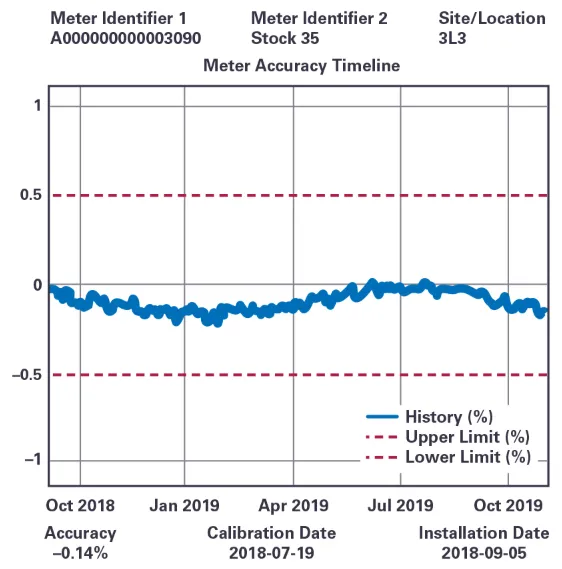
Figure 1. Pilot devices deployed in the field.
With more dynamic energy consumption driven by renewable generation and electric vehicle charging, customer bills fluctuate more and lead to increased inquiries and complaints. The solution enables utilities to quickly assess the accuracy of a specific meter remotely, avoiding costly onsite inspections and improving customer satisfaction.
Field Trial Deployment
Since August 2018, Helen Electricity Network used the cloud-based analytics service with field-deployed mSure devices to view accuracy information for more than 40 pilot meters. An independent Finnish test organization, VTT/MIKES, validated the accuracy of those devices. Phase 1: 19 in-service devices were removed from the field for accuracy testing, with results obtained in October 2018. Phase 2: VTT/MIKES subjected these 19 devices to accelerated life testing, with results obtained in November 2019. High-precision test equipment was used to establish baseline accuracy for all devices prior to the trial and to validate measured offsets. The offsets from VTT/MIKES testing and the analytics service after Phase 2 are shown in Figure 3.
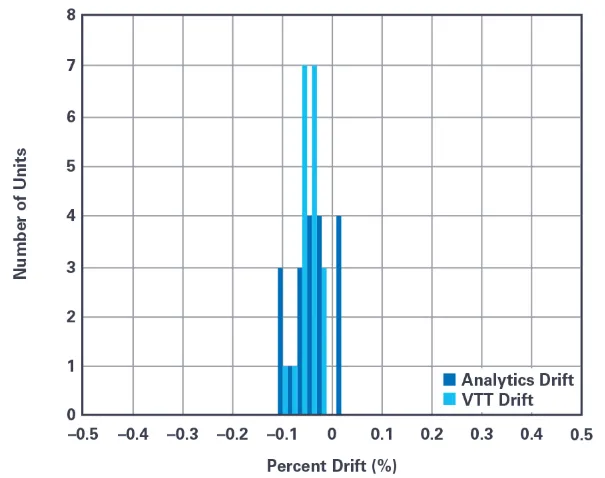
Figure 2. Viewing meter accuracy through the cloud-based analytics service.
The analytics service was used together with a locally installed evaluation device connected in series with the main meter. The evaluation device shown in Figure 1 uses ADI's ADE9153B energy metering IC, which integrates mSure technology to provide advanced diagnostics. The meter sends raw diagnostic information to the analytics service, which analyzes the data and issues alerts, tracks trends, and reports meter health. In deployments, utilities can install meters based on the ADE9153B metering chip and use the analytics service to exploit mSure capabilities.
Field Trial Results
In Phase 1, analytics service data were compared with reference measurements performed by VTT/MIKES. For the 19 devices, the analytics service tracked accuracy shifts to better than 0.1%. When the 19 devices were grouped strictly, the minimum tracked offset was near 0%.
In Phase 2, the devices underwent accelerated aging equivalent to roughly 10 years of operation for a meter operating in an average ambient temperature of 30°C. Phase 2 was conducted in a controlled laboratory rather than in the field to accurately assess the analytics service performance and accelerate aging. As in Phase 1, the tracked accuracy shifts for the 19 devices were better than 0.1% (see Figure 4). Both the accuracy tests and the analytics service showed an average negative offset of approximately -0.05%.
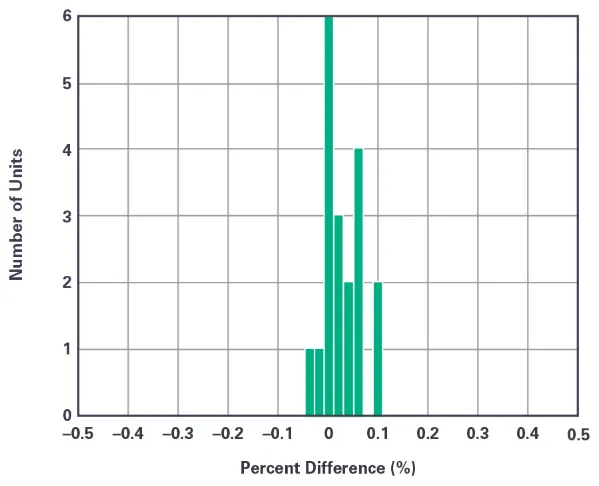
Figure 3. Device differences between analytics service results and VTT accelerated life-test offsets in Phase 2.
An additional lab test induced aging in one meter to demonstrate that the analytics service accurately tracks larger offsets. Technicians paralleled a resistor with a manganin shunt to alter the impedance and create artificial aging. VTT/MIKES measured the resulting offset at -1.91%, while the analytics service determined a -1.96% offset, a difference of only 0.05%.
In summary, Phase 1 demonstrated that the analytics service can accurately track the accuracy of field-deployed meters that support mSure technology, within 0.1% error when offsets were small. Phase 2, representing the meter condition after an equivalent of 10 years of field operation, showed a similar negative offset and maintained tracking accuracy at the 0.1% level. The field trial demonstrates that mSure technology combined with the analytics service can monitor meter accuracy shifts with sufficient precision to replace sample-based meter testing in appropriate regulatory contexts.