ALLPCB


Output Voltage of the VFD
The output voltage of a variable frequency drive (VFD) can be selected according to the motor rated voltage. According to standards, VFDs are commonly available in 220 V and 400 V series. For high-voltage motors rated at 3 kV, use a 400 V class VFD with a step-down transformer on the VFD input side and a step-up transformer on the VFD output side. Reduce 3 kV to 400 V to feed the VFD, and then raise the VFD output back to 3 kV to feed the motor.
Grid Voltage Abnormalities
Abnormal supply voltage can damage the VFD. Overvoltage, for example when a 380 V line increases to 450 V, can cause failures. If the supply voltage exceeds the range specified by the VFD manual, install a transformer or other voltage regulation measures to protect the VFD.
Output Frequency of the VFD
The maximum output frequency of a VFD varies by model. Common maximums include 50 Hz/60 Hz, 120 Hz, 240 Hz, or higher. VFDs that operate up to 50 Hz/60 Hz are typically used for speed control below rated speed and are common in larger general-purpose drives. VFDs with maximum output above mains frequency are often smaller capacity units. Above 50 Hz/60 Hz, because output voltage remains unchanged, the drive exhibits a constant-power characteristic. Note that available torque decreases at high speed. Machine tools such as lathes can use higher speeds within the constant-power range to increase throughput for light loads, but do not exceed the allowed maximum speed of the motor and load.
Starting Torque and Low-Speed Torque
When starting a motor with a general-purpose VFD, the starting current is often lower than when starting from the mains supply. Depending on the load's required starting torque characteristics, the motor may fail to start. Torque available at low speeds is generally lower than rated torque. If the selected VFD and motor cannot meet the load's required starting torque and low-speed torque, increase the VFD and motor capacity. For example, if at a certain speed the load requires 70% of the originally selected rated torque but the torque-speed curve indicates only 50% is available, then the VFD and motor capacity should be increased to at least 1.4 times the originally selected capacity (70/50).
VFD Cooling and Protection Structure
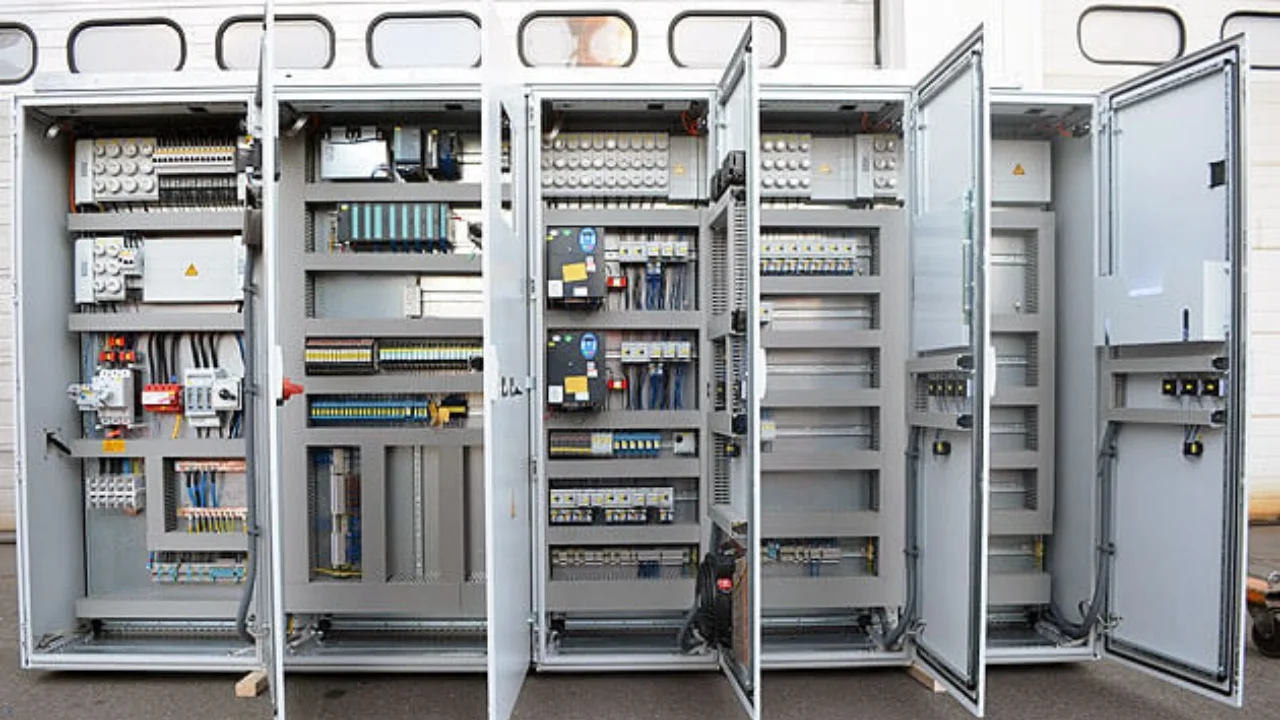
VFDs generate significant heat internally. Except for small-capacity drives, most VFDs use forced-air cooling with fans to improve cooling efficiency. When the VFD is installed outdoors or in a harsh surrounding environment, mount the drive on a dedicated panel or use a fully enclosed cabinet with a cooling heat-exchange system.
Switching from Mains to VFD Operation
When switching a motor from mains operation to VFD operation, wait until the motor has come to a complete stop before restarting from the VFD. Otherwise, large inrush currents and torque transients are inevitable, which may trip the supply or damage equipment. Some applications require switching without bringing the motor to a full stop. For these, select a VFD model equipped with the appropriate transfer control option so the VFD can synchronize with the free-spinning motor and then resume power output after disconnecting the mains.
VFD Capacity Selection: Key Points
- Choose a VFD power rating close to the motor power rating to favor efficient operation.
- When VFD power grading and motor power grading do not match, select a VFD power as close as possible to the motor power, preferably slightly higher.
- If the motor undergoes frequent start/stop cycles, frequent braking, or heavy/frequent starts, choose the next higher VFD capacity to ensure long-term, safe operation.
- If testing shows the motor has actual power margin, a VFD with lower rated power than the motor may be considered; however, verify that instantaneous peak currents will not trigger overcurrent protection.
- If VFD and motor powers differ, adjust energy-saving program settings accordingly to maintain efficiency.
- VFD rated capacity and parameters are specified for particular altitude and ambient temperature conditions, typically below 1000 m altitude and ambient temperatures of 40°C or 25°C. If the installation environment exceeds these limits, account for derating before selecting the model. High ambient temperature or installation in poorly ventilated cabinets shortens VFD life. Electronic components, especially electrolytic capacitors, have reduced lifetime at higher temperatures: every 10°C rise approximately halves life. Maintain lower ambient temperatures, provide adequate ventilation and cooling, and consider increasing the selected capacity by one grade to reduce operating temperature rise. At high altitude, reduced air density lowers cooling effectiveness; above 1000 m, derate approximately 10% per each additional 1000 m as required and increase capacity if necessary to prevent overheating.
- If the motor must restart after an instantaneous power loss, confirm the selected VFD supports that function. If the VFD restarts improperly when power returns, incorrect motor frequency can cause overvoltage or overcurrent faults and lead to shutdowns.
- When sensors are used for VFD speed control, verify that the sensor output signal type and magnitude are compatible with the VFD control inputs.