ALLPCB


What is human-computer interaction
Human-computer interaction (HCI) refers to the process of information exchange, command transmission, operational control, and feedback between human users and computer systems. It focuses on designing and developing interaction interfaces that meet user needs and are easy to use and understand, in order to improve user experience and the efficiency of human-computer systems.
HCI covers various interaction modalities between users and computer systems, including data input, output feedback, operational control, and information presentation. The goal is to establish simple, reliable, efficient, and usable interfaces so users can conveniently communicate and collaborate with computer systems and obtain information or complete tasks in an intuitive way.
When designing HCI, it is necessary to consider users' cognitive characteristics, behavioral habits, emotional needs, and the specific tasks and environmental requirements of the application. Interface visual layout, interaction methods, information presentation formats, and feedback mechanisms should also be taken into account to achieve user-friendly, efficient, and satisfying interactions.
Related fields include user interface design, user experience design, and interaction design. Ongoing research into HCI principles and techniques leads to improved and optimized interfaces across different application domains, which can raise user productivity, simplify daily tasks, and enhance entertainment experiences.
Roles of human-computer interaction
HCI plays several key roles:
1. Improve user experience: Well-designed HCI increases user satisfaction and effectiveness. Intuitive and easy-to-understand interfaces and interaction methods allow users to communicate and operate systems with less learning overhead and frustration, improving convenience and comfort.
2. Enhance user efficiency: Effective HCI can boost users' work efficiency and task completion speed. By simplifying workflows and providing shortcuts and intelligent prompts, users can complete tasks more quickly and increase productivity.
3. Reduce errors and increase reliability: One goal of HCI design is to lower user error rates and risks. Clear interface layouts, input validation, and error messages help users avoid mistakes and provide strategies for error correction and recovery, increasing system reliability and stability.
4. Personalization and customization: HCI design also considers individual user preferences and habits. Allowing users to customize interfaces, layouts, and settings, and offering personalized interaction methods, can meet diverse user needs and deliver experiences that align with expectations.
5. Provide rich information presentation: HCI can present information through multiple channels, including graphics, animation, audio, and video. Selecting appropriate presentation methods helps convey information more effectively, attract user attention, and provide a richer, more diverse interaction experience.
Overall, the role of HCI is to enable friendlier, more efficient, reliable, and personalized human-computer communication and collaboration. Good HCI design improves user satisfaction and experience, enhances efficiency, and reduces errors and risks, making systems easier to use.
Main types of human-computer interaction
HCI can be implemented through multiple methods. Common types include:
1. Graphical user interface (GUI): The most common and widely used interaction method. GUIs use visual elements such as icons, menus, buttons, and sliders, and rely on input devices like mouse, keyboard, and touchscreens to enable users to communicate with and control computer systems.
2. Voice and audio interfaces: These interfaces use voice and audio for interaction. Voice commands and speech recognition technologies allow users to interact verbally with systems, and systems can provide audio feedback, voice prompts, and speech synthesis.
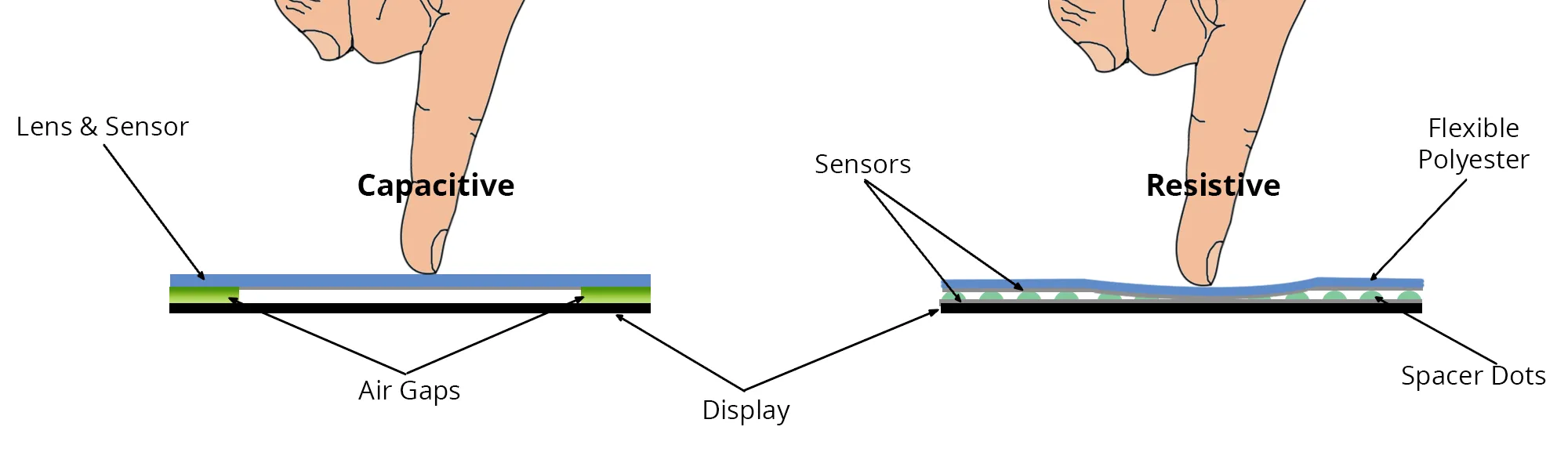
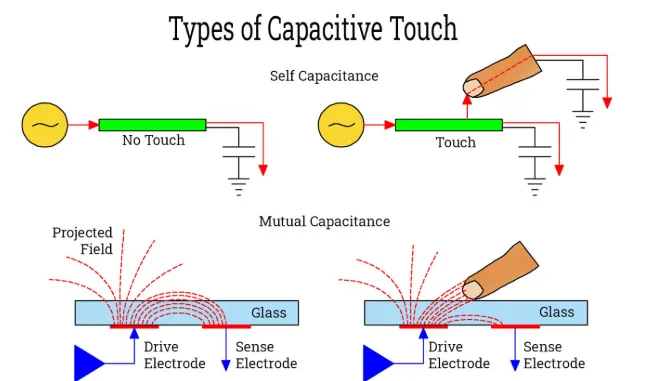
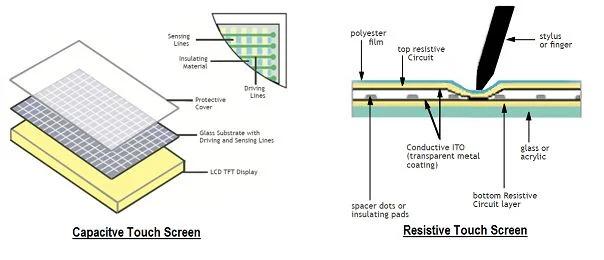
3. Touch interfaces: Touch interfaces convert user touch actions into signals that the computer can interpret. They are widely used in smartphones, tablets, and touch-enabled computers, allowing users to interact directly with the screen using fingers or styluses.
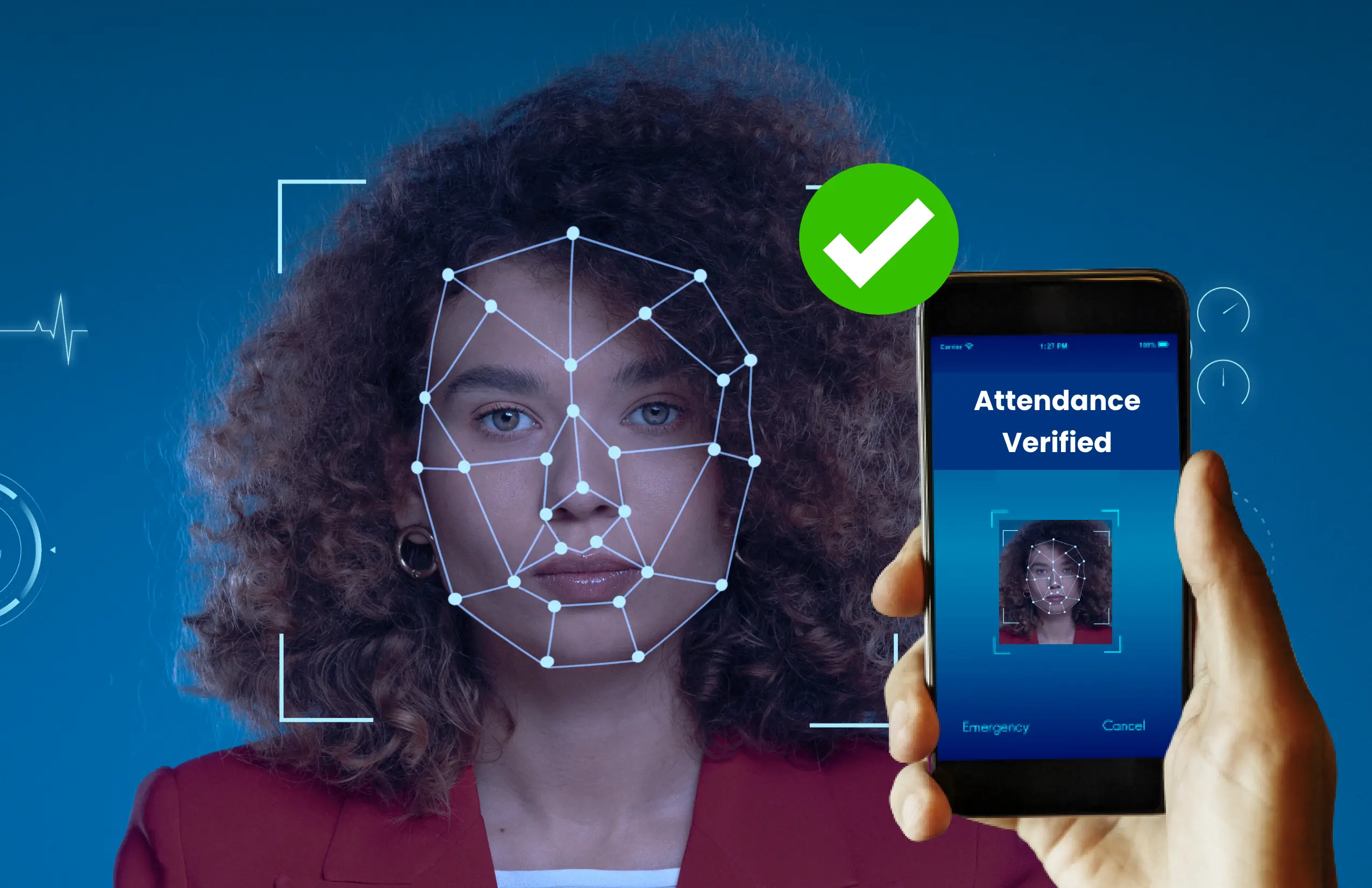
4. Gesture control: Gesture control uses cameras, infrared sensors, or other sensing technologies to recognize and interpret user gestures and translate them into commands or control signals. This provides a natural and intuitive interaction method for applications such as virtual reality, gaming, and smart home control.
5. Brain-computer interfaces (BCI): BCIs measure and interpret brain activity to translate users' intentions into computer commands or control signals. They are mainly applied in medical and assistive technology domains to enable people with limited mobility to control systems using neural signals.
6. Virtual reality (VR) and augmented reality (AR) interfaces: VR and AR provide more immersive and intuitive interaction methods. Users wear head-mounted displays and use controllers or body-tracking devices to experience virtual environments or overlay virtual content onto the real world.
In addition to these methods, emerging interaction techniques include eye tracking, full-body motion tracking, and haptic feedback. As technology advances, interaction methods will continue to evolve, offering richer, more intuitive, and more convenient user experiences.