ALLPCB


Overview
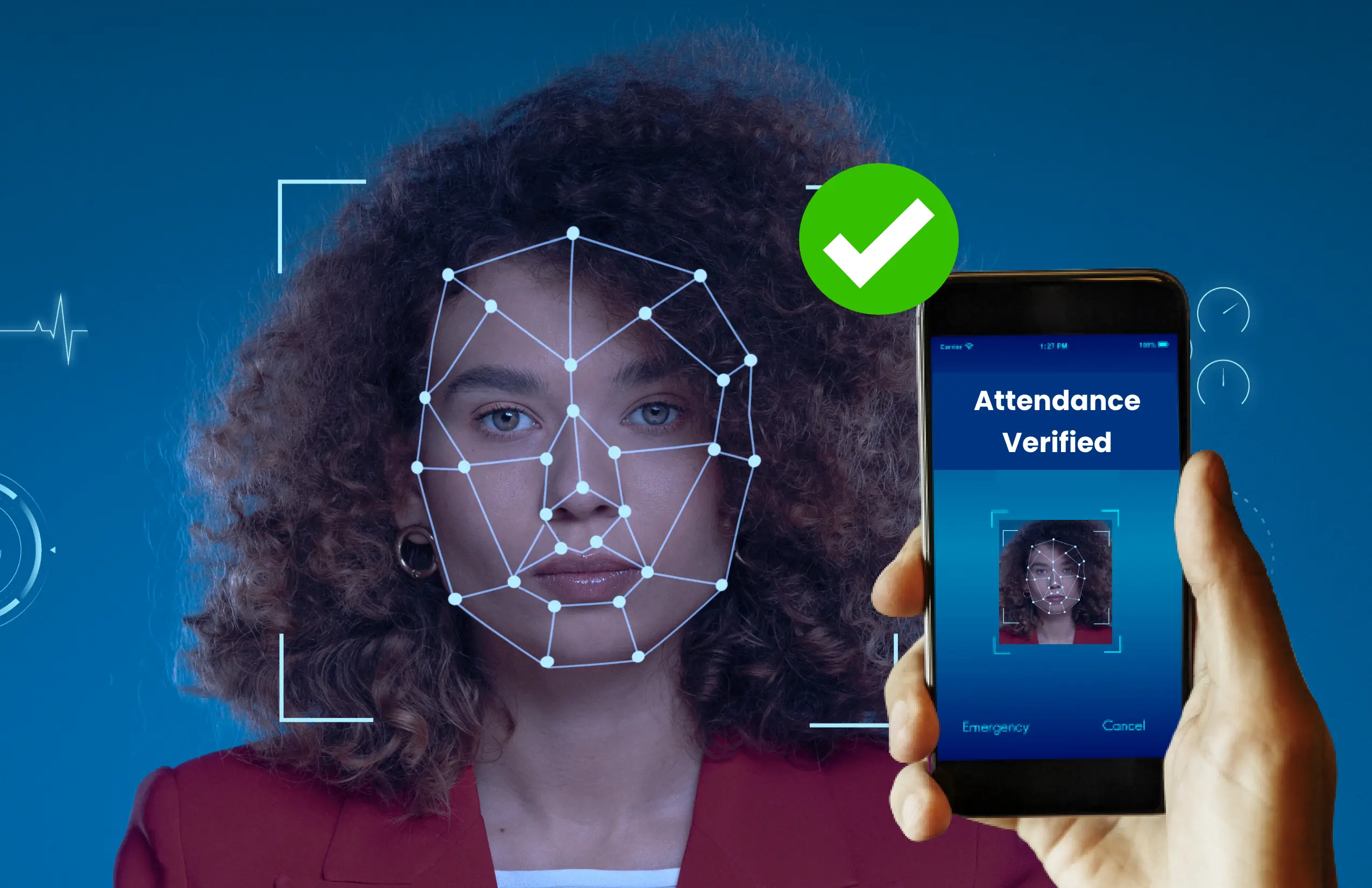
Facial recognition, an advanced technology in the international technology field, is widely used in access control, attendance, security, and alarm systems. How does a facial recognition system actually perform recognition, and what are its application areas and characteristics? The following explains.
How facial recognition systems work
Although facial recognition has been researched for a long time, its widespread use began with the U.S. electronic passport system in 2006. To meet certain U.S. security requirements, countries participating in visa-waiver arrangements adopted e-passports with facial recognition; by the end of 2006 more than 50 countries had deployed facial recognition systems.
In China, a notable deployment occurred in April 2012 when the Ministry of Railways announced installation of high-definition facial recognition systems in security inspection areas. These systems perform illumination detection on passengers' faces, provide dynamic compensation and tracking detection, and support automatic adjustment of image gain.
Industry sources say the technology's widespread adoption is due to its technical capabilities. The systems use regional feature analysis and combine computer imaging techniques with principles from biostatistics: the computer extracts facial features from video, constructs mathematical models using biostatistics, and compares them with database records to verify identity.
Characteristics of facial recognition systems
- Accurate identification of individuals, with visual display and verification of faces to enable access control.
- For homes and enterprises where personal privacy and identity are involved, pre-registering data enables permission-based access, time-based restrictions, and emergency full-open functionality for fire-safety requirements.
- In access management, integrating facial recognition for visitors and patrols makes entry control for specific areas both stricter and more convenient.
- In critical locations, video surveillance and security management simplify monitoring tasks.
Application areas
Facial recognition systems are used in many venues such as parks, supermarkets, conference centers, stadiums, residential areas and other public gathering places, public security departments, railway departments, and at entrances of hotels, restaurants, and office buildings and stairwells. Deployments in these scenarios enable face-based access management, access control and attendance, computer security protection, facial registration, intelligent police alarms for criminal identification, and prison alarm systems.
Conclusion
In summary, facial recognition systems applied across industries and sectors provide security for people and environments in homes, businesses, and public places, making management more efficient and convenient.