 ALLPCB


Introduction
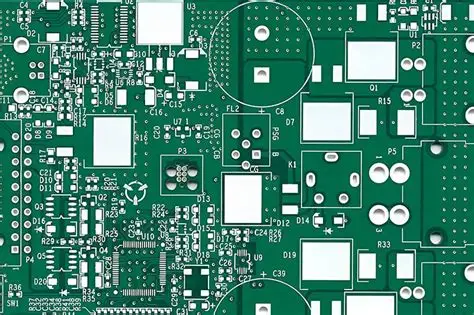
Immersion silver PCBs feature a thin layer of silver deposited directly onto copper traces, providing excellent solderability and a flat surface ideal for fine-pitch components. This surface finish supports high-frequency applications and aluminum wire bonding while maintaining cost-effectiveness compared to alternatives like electroless nickel immersion gold. However, immersion silver's vulnerability to environmental contaminants significantly impacts its immersion silver PCB shelf life, often limiting it to 6 to 12 months under suboptimal conditions. Tarnishing occurs rapidly when exposed to sulfur, chlorine, or moisture, compromising solder joint reliability and leading to defects during assembly. Proper immersion silver PCB storage and handling practices, aligned with industry standards, can extend usability and prevent costly rework. Factory-driven protocols emphasize controlled environments and protective measures to preserve surface integrity from fabrication through assembly.
Understanding Immersion Silver Finish and Its Shelf Life Challenges
Immersion silver involves a displacement reaction where silver ions replace copper atoms on the PCB surface, forming a uniform layer typically 0.2 to 0.4 micrometers thick. This process ensures strong adhesion and uniform coverage without nickel barriers, reducing signal loss in high-speed designs. Per IPC-4553A, the specification for immersion silver plating, the finish protects copper from oxidation during its intended service life when handled correctly. Despite these advantages, immersion silver PCB shelf life remains a concern due to the metal's reactivity. Silver readily forms silver sulfide through reactions with atmospheric sulfur compounds, resulting in a dark discoloration that hinders wetting during soldering. Engineers must prioritize storage and handling to mitigate these risks and maintain compliance with performance requirements.
The relevance of extending shelf life extends beyond mere preservation; it directly affects assembly yield and long-term reliability in electrical systems. Poorly stored boards exhibit reduced solderability, leading to voids, bridging, or incomplete joints that fail IPC acceptability criteria. In high-volume production, FIFO inventory rotation becomes essential to utilize boards within their viable window. Factories report that adherence to structured guidelines prevents up to 90 percent of tarnish-related issues, though exact figures vary by environment. Ultimately, understanding these dynamics empowers electrical engineers to select and manage immersion silver effectively in their supply chains.
Mechanisms Behind Tarnishing and Factors Affecting Shelf Life
Tarnishing on immersion silver surfaces primarily stems from chemical reactions with environmental pollutants. Silver sulfide (Ag2S) forms when sulfur-containing compounds, such as hydrogen sulfide from nearby materials, interact with the silver layer, creating a non-conductive patina. Chlorine exposure leads to silver chloride (AgCl), further degrading the surface. Humidity accelerates these processes by facilitating ion migration, while elevated temperatures above 30 degrees Celsius speed up diffusion rates. Fingerprints introduce organic sulfur from skin oils, causing localized creep corrosion that spreads over time. These mechanisms underscore why immersion silver tarnishing prevention requires isolation from contaminants immediately after plating.
Moisture absorption compounds the issue by promoting oxidation beneath the silver, potentially causing delamination in multilayer boards. Per IPC-1601A guidelines for printed board handling and storage, relative humidity above 65 percent correlates with faster degradation. Mechanical stresses during handling, like stacking without separators, induce micro-scratches that expose copper. Shelf life varies from 6 months in humid warehouses to 12 months in optimized conditions, as validated by solderability tests. Electrical engineers should monitor these factors through regular audits to predict performance. Factory insights reveal that combined exposure to heat, moisture, and sulfur halves expected usability, emphasizing proactive controls.
Best Practices for Immersion Silver PCB Storage
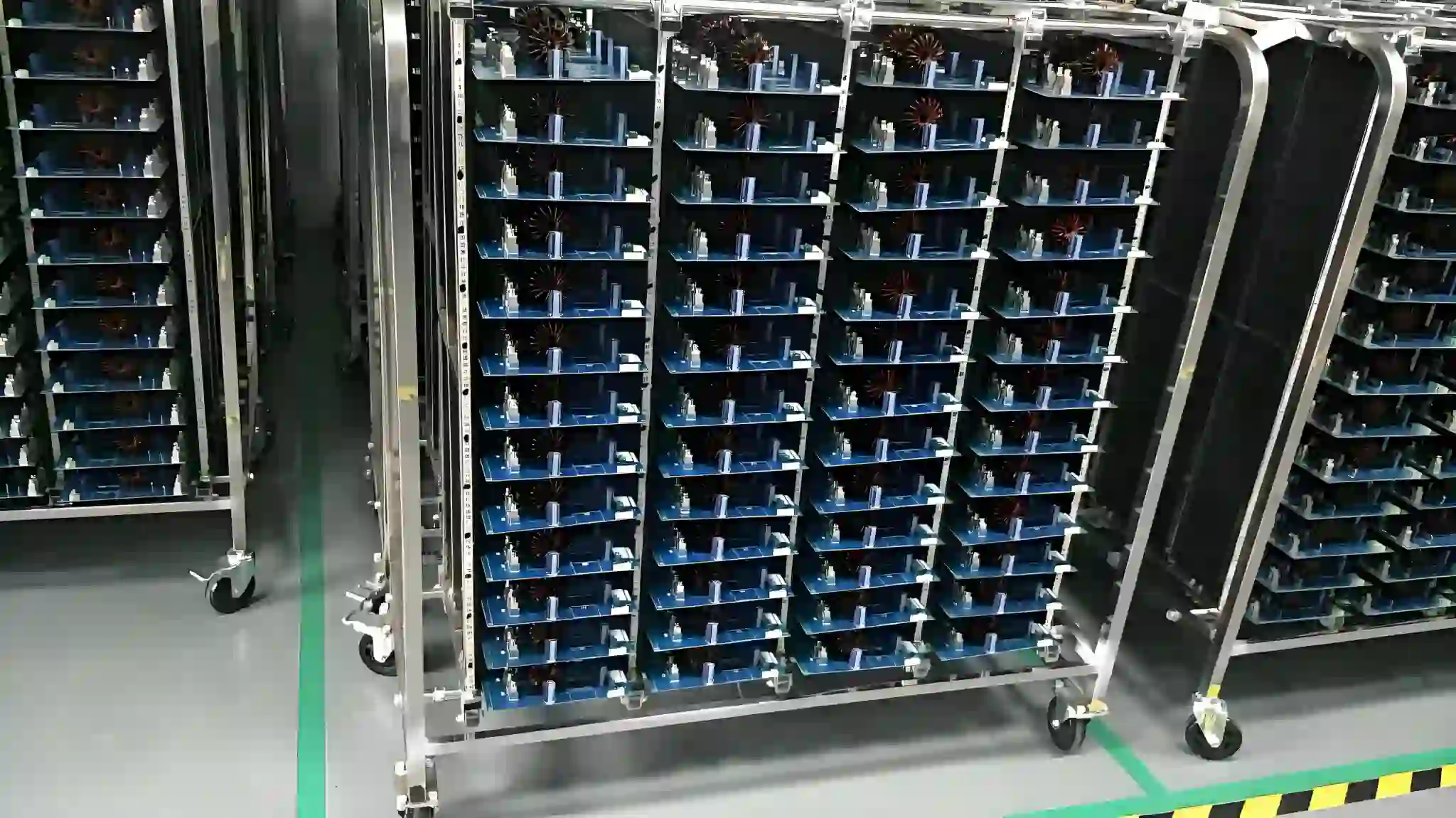
Optimal immersion silver PCB storage begins with a controlled environment stabilized at 15 to 30 degrees Celsius and 40 to 65 percent relative humidity, as outlined in IPC-1601A. This range minimizes moisture uptake while preventing condensation during temperature fluctuations. Facilities should employ HVAC systems with dehumidifiers and avoid proximity to vents or windows that introduce variable conditions. Sulfur-emitting sources like cardboard, rubber, or adhesives must be excluded from storage areas to prevent gaseous contamination. Vertical racking with ESD-safe separators maintains board planarity and airflow, reducing warpage risks over time. Regular calibration of hygrometers and thermometers ensures compliance, with logs tracking excursions for traceability.
Implement a first-in, first-out system to rotate stock, prioritizing boards plated earliest for assembly. Label packages with plating date, MSL classification, and handling instructions for quick reference. For long-term storage exceeding six months, consider nitrogen-purged cabinets to further inert the atmosphere. Avoid stacking beyond recommended heights to prevent pressure-induced defects. These factory-aligned practices extend immersion silver PCB shelf life reliably, supporting lean manufacturing flows. Periodic visual inspections detect early tarnish, allowing quarantine before widespread impact.
Immersion Silver Packaging Strategies
Effective immersion silver packaging isolates boards from ambient threats right after fabrication. Vacuum-sealed moisture barrier bags with desiccants and humidity indicator cards provide primary protection, ensuring relative humidity stays below 10 percent inside. Select sulfur-free, pH-neutral materials to avoid chemical leaching onto the silver surface. Inner trays or foam separators prevent abrasion between boards, with outer rigid boxes for shipping resilience. Limit panel counts per package to maintain even vacuum distribution and facilitate handling.
Anti-static properties in all layers safeguard against ESD damage during transit. Factory protocols dictate packaging within 24 hours of plating to capture peak surface quality. For high-value lots, double-bagging adds redundancy against punctures. These measures align with IPC-1601A, directly contributing to prevent immersion silver tarnishing. Clear labeling includes barcodes for inventory integration and warnings for sensitive handling.
Guidelines for Immersion Silver PCB Handling
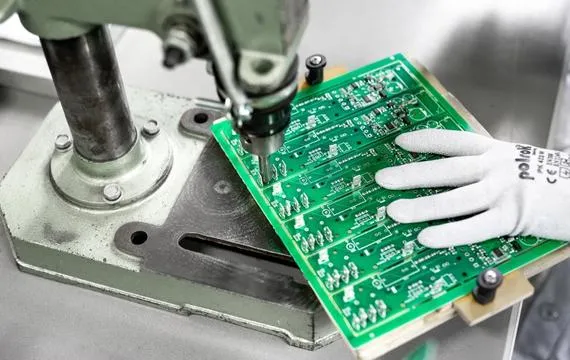
Immersing silver PCB handling demands minimal contact to preserve surface purity. Always grasp boards by edges using clean, lint-free gloves to eliminate skin oil transfer. Workstations should feature ionized air blowers and tacky mats to capture particulates, maintaining Class 1000 cleanroom equivalents where feasible. Tools like non-marring tweezers or vacuum lifters reduce manual intervention. After opening packages, limit exposure time to 24 to 48 hours before assembly to minimize recontamination risks.
Train personnel on ESD protocols, grounding all surfaces and using wrist straps. Avoid stacking opened boards; process in small batches to sustain workflow momentum. If rework is needed, employ isopropyl alcohol wipes followed by immediate drying. These procedures prevent immersion silver tarnishing from handling-induced defects. Factory standardization through SOPs ensures consistency across shifts.
Pre-Assembly Inspection and Mitigation
Before assembly, inspect immersion silver PCBs under 10x magnification for uniform luster, absence of discoloration, or particulates. Cross-section sampling verifies silver thickness per IPC-4553A criteria. For boards approaching 12 months shelf life, conduct solderability tests like dip-and-look to confirm wetting angles below 60 degrees. Bake if moisture indicators show exposure, using finish-specific profiles from IPC-1601A. Reject lots with creep corrosion exceeding five percent surface area. These steps safeguard yield in downstream processes.
Conclusion
Mastering immersion silver PCB storage, handling, and packaging unlocks the full potential of this versatile finish. By adhering to temperature, humidity, and contamination controls, engineers extend shelf life to 12 months while upholding solder joint integrity. Standards like IPC-4553A and IPC-1601A provide the blueprint for factory success. Integrate these practices into procurement and assembly for reliable outcomes.
FAQs
Q1: What is the typical immersion silver PCB shelf life under proper storage?
A1: Under controlled conditions of 15 to 30 degrees Celsius and 40 to 65 percent RH with sulfur-free vacuum packaging, immersion silver PCBs maintain solderability for 6 to 12 months. Beyond this, testing verifies usability. FIFO rotation and nitrogen inerting further optimize longevity in manufacturing settings.
Q2: How can I prevent immersion silver tarnishing during handling?
A2: Wear lint-free gloves, handle by edges only, and limit exposure post-unpacking to 48 hours. Use clean, ESD-safe tools in low-particulate areas. Reseal unused boards immediately to block sulfur and chlorine ingress, aligning with factory best practices.
Q3: What packaging is best for immersion silver PCB storage?
A3: Sulfur-free vacuum-sealed bags with desiccants and humidity cards are essential. Include separators and rigid outer protection. Package within 24 hours of plating per IPC-1601A to maximize immersion silver packaging effectiveness.
Q4: Should I test old immersion silver PCBs before assembly?
A4: Yes, for boards over 12 months, perform solderability tests per IPC J-STD-003. Visual checks detect early tarnish. Baking removes moisture if needed, ensuring reliable joints in critical applications.





