ALLPCB


Introduction
Diodes serve as essential components in power electronics, enabling functions such as rectification, freewheeling, and protection in circuits ranging from power supplies to motor drives. In high-power applications, the efficiency and reliability of these diodes directly influence overall system performance, energy losses, and longevity. Power diode selection requires careful consideration of parameters like forward voltage, reverse recovery losses, and surge current capability to optimize diode efficiency in power circuits. Engineers must balance these factors against operating conditions such as switching frequency and thermal environment to ensure robust operation. This article explores key considerations for diode reliability, diode thermal management, and practical strategies for implementation. By understanding these elements, electric engineers can enhance circuit designs for superior performance.
The Role of Diodes in Power Electronics
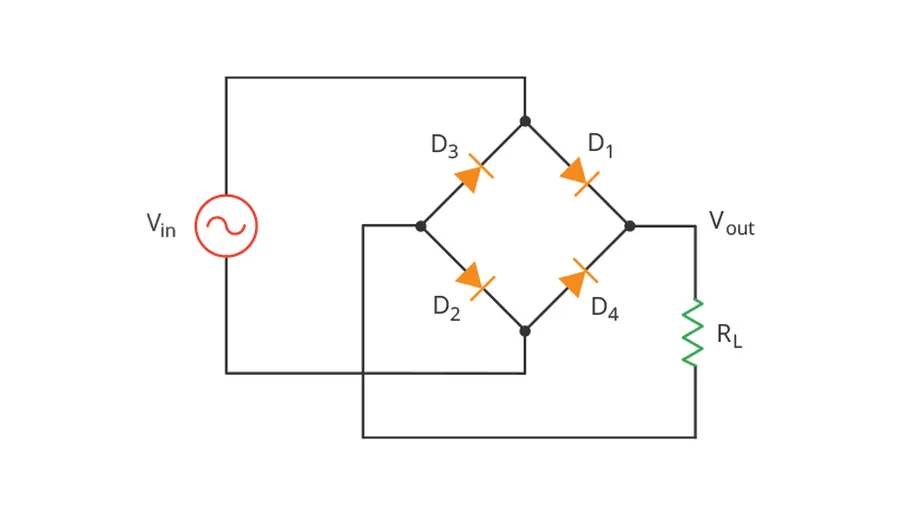
Power diodes convert alternating current to direct current in rectifier circuits and provide paths for inductive currents in switching converters. Their ability to conduct in one direction while blocking reverse voltage makes them indispensable in topologies like buck, boost, and inverters. Diode forward voltage represents the voltage drop during conduction, which contributes to conduction losses proportional to the load current. At higher currents, minimizing this drop becomes critical for diode efficiency in power circuits. Additionally, diodes experience surge current during startup or fault conditions, testing their robustness. Proper power diode selection accounts for these behaviors to prevent failures in demanding environments.
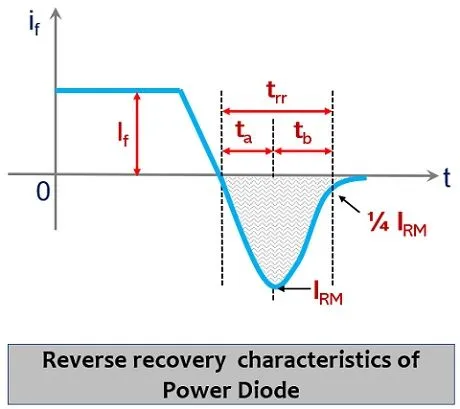
Reverse recovery losses occur when a diode switches from forward to reverse bias, as stored charge in the junction causes a brief reverse current flow. This phenomenon generates switching losses, particularly at elevated diode switching frequency in modern high-frequency converters. Fast-recovery and Schottky diodes mitigate these losses compared to standard rectifiers, but each type trades off conduction and switching performance. Diode reliability hinges on handling these transitions without degradation over time. Engineers evaluate datasheets for reverse recovery time and charge to predict total losses accurately.
Key Parameters in Power Diode Selection
Power diode selection begins with assessing voltage and current ratings that exceed maximum expected values with adequate margins. Forward voltage determines steady-state power dissipation, as lower values reduce heat generation and improve efficiency. However, achieving low forward voltage often increases reverse leakage or compromises other traits. Diode surge current rating specifies the peak non-repetitive current the device can withstand, vital for applications with inrush currents. Standards like IEC 60747-2 outline testing methods for these parameters in rectifier diodes, ensuring consistent characterization across manufacturers.
Diode reverse recovery losses are quantified by recovery time and peak reverse current, impacting high-frequency operations. In soft-switching circuits, these losses diminish, but hard-switching demands diodes with optimized recovery characteristics. Diode switching frequency influences the choice between Schottky diodes, which offer near-zero recovery but higher forward voltage, and ultrafast recovery types. Thermal management integrates with these selections, as elevated temperatures accelerate degradation mechanisms like junction fatigue.
Surge current capability requires consideration of pulse duration and repetition rate, as repeated surges can elevate junction temperature. Manufacturers provide curves relating surge current to time and case temperature for safe operation. Diode thermal management strategies, such as heatsinks and PCB copper pours, extend this capability by maintaining low thermal resistance.
Diode Efficiency in Power Circuits
Diode efficiency in power circuits is primarily governed by conduction losses from forward voltage and switching losses from reverse recovery. Conduction loss equals forward voltage multiplied by average current, making it dominant in low-frequency, high-current designs. Switching losses rise with diode switching frequency, as each transition incurs energy dissipation from recovery charge. Total efficiency improves by selecting diodes where the sum of these losses is minimized for the specific duty cycle and topology.
In bridge rectifiers, multiple diodes share the load, amplifying the need for matched forward voltage to prevent uneven heating. Freewheeling diodes in DC-DC converters face continuous conduction, prioritizing low forward voltage over recovery speed. Power factor correction circuits demand both low conduction loss and fast recovery to meet harmonic standards. Optimizing diode efficiency in power circuits often involves simulation tools to predict losses under varying loads.
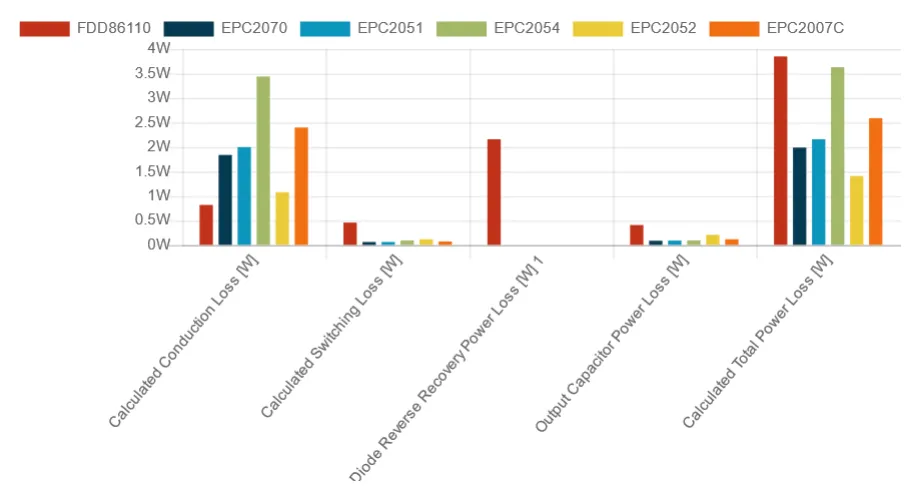
Diode thermal management plays a pivotal role in sustaining efficiency, as rising temperature increases forward voltage and leakage. Effective cooling preserves low-loss operation, especially in densely packed power modules. Engineers calculate thermal runaway risks by modeling junction-to-ambient resistance.
Diode Reliability and Failure Mechanisms
Diode reliability encompasses resistance to electrical, thermal, and mechanical stresses over the product lifecycle. Primary failure modes include junction avalanche from overvoltage, thermal runaway from poor diode thermal management, and fatigue from cyclic surge current. JEDEC JESD282 provides guidelines for testing silicon rectifier diodes under surge and reverse conditions, promoting standardized reliability assessments. These tests simulate real-world stresses to predict mean time between failures.
Reverse recovery stress can induce hot spots if charge asymmetry occurs during switching. High diode switching frequency exacerbates this, necessitating diodes with controlled softness factor to limit peak stresses. Bond wire lift-off and solder joint fatigue arise from thermal cycling, underscoring the importance of coefficient of thermal expansion matching in assemblies.
Packaging influences reliability, with through-hole diodes offering better surge handling than surface-mount for high-power uses. Diode surge current ratings must align with circuit protection schemes like fuses to avoid secondary failures.
Best Practices for Diode Thermal Management and Selection
Effective power diode selection integrates application requirements with derating factors for voltage, current, and temperature. Start by identifying peak repetitive reverse voltage at least 20-50% above maximum, depending on transients. For diode surge current, select based on the longest expected pulse and ensure repetitive rating suits fault frequency. Simulate reverse recovery losses using SPICE models to verify efficiency at target diode switching frequency.
Diode thermal management begins with junction temperature limits, typically kept below specified maximums via case-to-heatsink interfaces. Use thermal vias and copper planes on PCBs to spread heat, enhancing reliability. Monitor theta JC and theta JA values for accurate predictions. In multi-diode configurations, parallel them with current-sharing resistors if forward voltage mismatches exist.
Adhere to assembly standards like J-STD-001 for soldering to prevent voids that impair thermal paths. Periodic reliability testing under accelerated conditions validates designs. Troubleshooting high losses involves waveform analysis for excessive recovery tails or voltage drops.
Conclusion
Diodes remain cornerstones of power electronics, where power diode selection profoundly affects efficiency and reliability. Balancing diode forward voltage, reverse recovery losses, surge current, and thermal management ensures optimal performance across switching frequencies. By applying best practices and referencing standards like IEC 60747-2 and JEDEC JESD282, engineers mitigate common pitfalls. Prioritizing these considerations leads to robust circuits with minimal downtime and energy waste. Future trends in wide-bandgap diodes promise further gains, but silicon options suffice for many applications today.
FAQs
Q1: What factors influence power diode selection for high-efficiency circuits?
A1: Power diode selection prioritizes low diode forward voltage for reduced conduction losses and minimal diode reverse recovery losses for high diode switching frequency. Surge current rating must handle inrush, while voltage blocking exceeds peak inverse. Diode thermal management ensures sustained performance. Engineers derate for safety margins, simulating total losses to match topology needs.
Q2: How do diode reverse recovery losses impact efficiency in power circuits?
A2: Diode reverse recovery losses arise during turn-off, where stored charge causes reverse current, dissipating energy at each cycle. This effect grows with diode switching frequency, reducing diode efficiency in power circuits like SMPS. Fast-recovery diodes minimize these losses via shorter recovery time. Proper selection improves overall converter efficiency by 1-5% in hard-switched designs.
Q3: Why is diode thermal management critical for reliability?
A3: Diode thermal management prevents junction overheating, which accelerates degradation and triggers thermal runaway. Elevated temperatures increase forward voltage and leakage, compromising diode reliability. Effective strategies include heatsinks, thermal vias, and derating. Monitoring keeps temperatures below limits, extending MTBF in power applications.
Q4: What role does diode surge current play in power electronics design?
A4: Diode surge current rating defines safe peak currents for transients like startup or faults, preventing avalanche or destruction. Designs match circuit inrush to this rating, using fuses for protection. Repetitive surges demand careful thermal consideration to avoid cumulative damage. This ensures diode reliability under stress.
References
IEC 60747-2 — Semiconductor devices - Discrete devices - Part 2: Rectifier diodes. IEC, 2016
JEDEC JESD282 — Silicon Rectifier Diodes. JEDEC
J-STD-001 — Requirements for Soldered Electrical and Electronic Assemblies. IPC, 2020