ALLPCB


Overview
Biometrics and face recognition are widely used technologies in security applications. Biometrics refers to identification methods based on physiological and behavioral characteristics, including fingerprint, iris, face, and voice recognition. Face recognition is a specific biometric technique that analyzes images or video of a face to determine an individual's identity. This article compares the concepts, application areas, and differences between biometrics and face recognition.
What is Biometrics?
Biometric identification is an automated method that uses physiological or behavioral traits to identify individuals. Biometric technologies are applied in security, legal, commercial, and medical contexts. These methods can be more secure and accurate than traditional identification techniques in many cases. However, biometric systems depend on data collection and storage and raise privacy and security concerns, requiring strict regulation and oversight.
How Biometrics Works
Biometric systems combine computers with high-tech means such as optical, acoustic, biological sensors, and biostatistics. They use inherent physiological features (for example, fingerprints, finger veins, faces, irises) and behavioral traits (for example, handwriting, voice, gait) to verify individual identity.
Face Recognition Explained
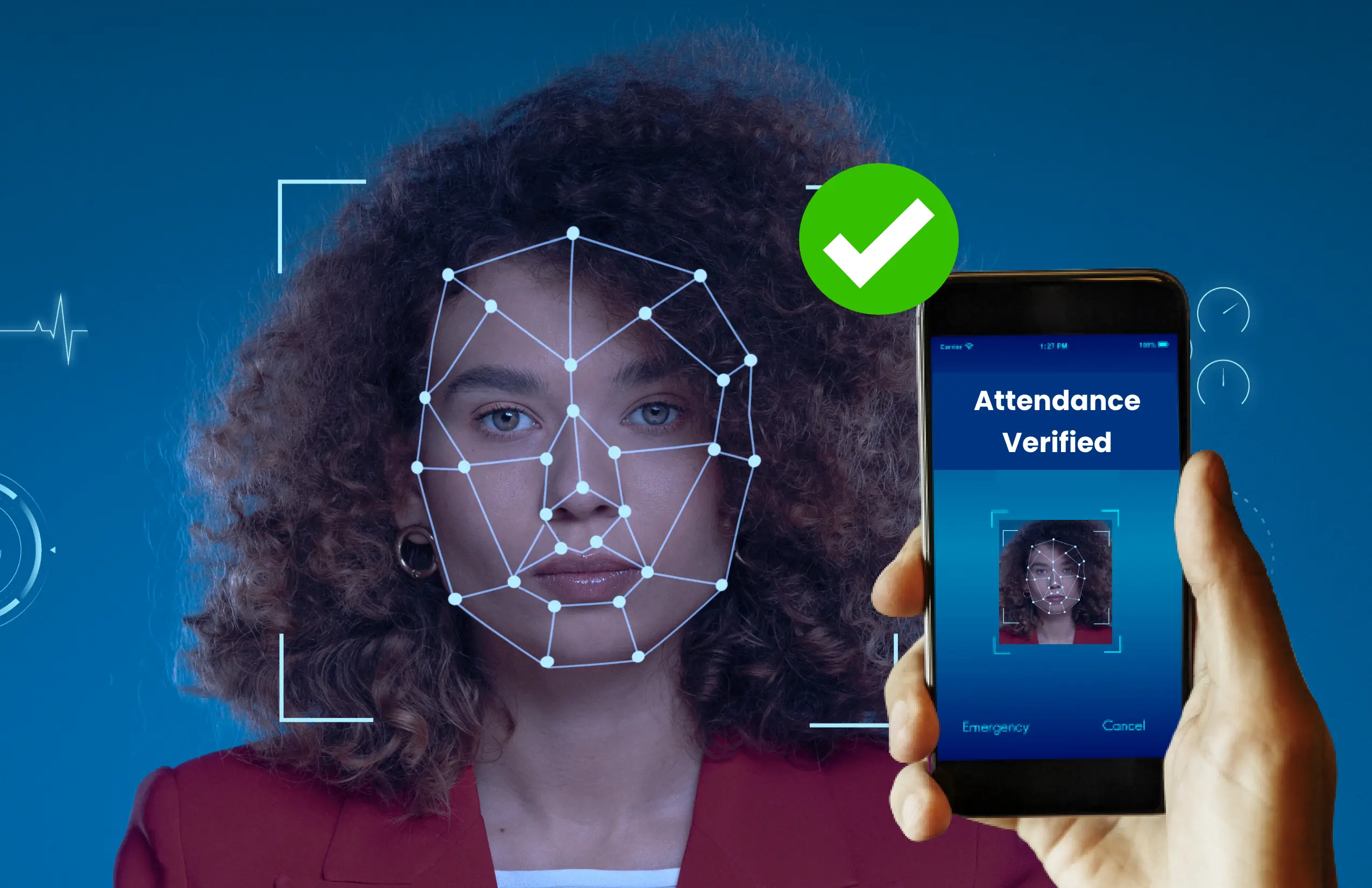
Face recognition identifies individuals by analyzing facial images. It extracts facial geometry, skin texture, color, and shape features to perform recognition. As a non-contact method, face recognition avoids the contact issues associated with traditional authentication technologies. It is used in surveillance, attendance tracking, and payment verification. The field faces challenges related to privacy, misuse, and false matches.
Technical Process for Face Recognition
Face recognition involves capturing images or video containing faces with a camera, automatically detecting and tracking faces in the image, and then performing a series of techniques to recognize the detected faces. This set of techniques is also referred to as portrait recognition or facial recognition.
Application Areas
Both biometrics and face recognition are used in legal, commercial, medical, and security domains. In legal settings, biometrics can assist in identifying and investigating suspects. In commerce, face recognition can be used for retail, payments, and market analysis. In healthcare, biometrics can support disease and pathogen identification, and face recognition can assist with patient identification and follow-up. In security, biometrics supports monitoring and border control, while face recognition is used for retail security and other security tasks.
Key Differences
The main difference lies in identification principles. Biometrics is a broader category that includes face recognition as well as other modalities such as fingerprints, iris, voice, and palm prints. Face recognition is a specific biometric method that focuses on facial features. Therefore, although face recognition is a form of biometrics, their application areas and underlying methods differ.
Conclusion
Both biometrics and face recognition are used to establish individual identity, each with its advantages, limitations, and application domains. Biometrics offers a more comprehensive identification approach by combining multiple features but raises privacy and security concerns. Face recognition provides a convenient non-contact option suitable for many scenarios, though false matches and privacy issues require careful consideration.