ALLPCB


In the world of electronics, integrated circuits (ICs) often take center stage for their compact size and efficiency. However, when it comes to high-power applications, discrete transistors remain the go-to solution for engineers. Whether you're working on discrete transistor amplifier design, high current switching circuits, or designing robust power supplies with discrete components, mastering the use of discrete transistors is essential. In this comprehensive guide, we’ll explore why discrete transistors are critical for high-power projects, how to select and design with them, and best practices for thermal management and reliability.
Why Choose Discrete Transistors for High-Power Applications?
Discrete transistors, such as bipolar junction transistors (BJTs) and metal-oxide-semiconductor field-effect transistors (MOSFETs), offer unique advantages over ICs in high-power scenarios. Unlike ICs, which are often limited by power dissipation and current handling, discrete components can manage much higher voltages and currents—sometimes exceeding 100V and 50A in a single device. This makes them ideal for applications like power amplifiers, motor controls, and industrial power supplies.
Beyond raw power, discrete transistors provide flexibility. Engineers can tailor circuits to specific needs by selecting components with precise characteristics, such as breakdown voltage or switching speed. This level of control is often impossible with pre-designed ICs. In the following sections, we’ll dive into practical applications and design tips to help you harness the full potential of discrete transistors.
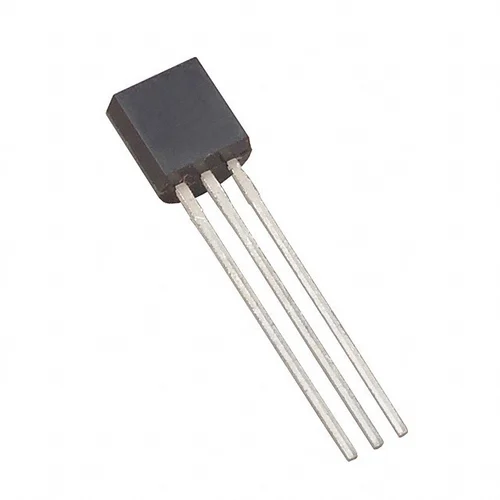
Discrete Transistor Amplifier Design: Building Power and Precision
Amplifiers are a cornerstone of many electronic systems, from audio equipment to industrial controls. When designing a high-power amplifier, discrete transistor amplifier design offers unmatched performance. Let’s break down the key considerations for building a robust amplifier using discrete components.
Choosing the Right Transistor
For power amplifiers, BJTs and MOSFETs are the most common choices. BJTs are often preferred in linear amplifiers due to their high current gain and linearity. For instance, a BJT with a current gain (hFE) of 100 can drive significant output power with minimal input current. On the other hand, MOSFETs excel in high-frequency applications due to their fast switching speeds, often reaching 1 MHz or more in optimized designs.
Designing the Circuit
A common configuration for power amplifiers is the push-pull topology, which uses a pair of transistors to handle positive and negative signal cycles. This design minimizes distortion and maximizes efficiency. For example, in a Class AB amplifier, you might use two complementary transistors with a bias current of 50mA to reduce crossover distortion while maintaining a power output of up to 100W into an 8-ohm load.
Ensure proper biasing to keep transistors in their active region. A poorly biased transistor can overheat or distort the signal. Use resistors or diodes to set a stable quiescent point, and always calculate power dissipation—often in the range of 5-20W per transistor in high-power designs—to avoid thermal runaway.
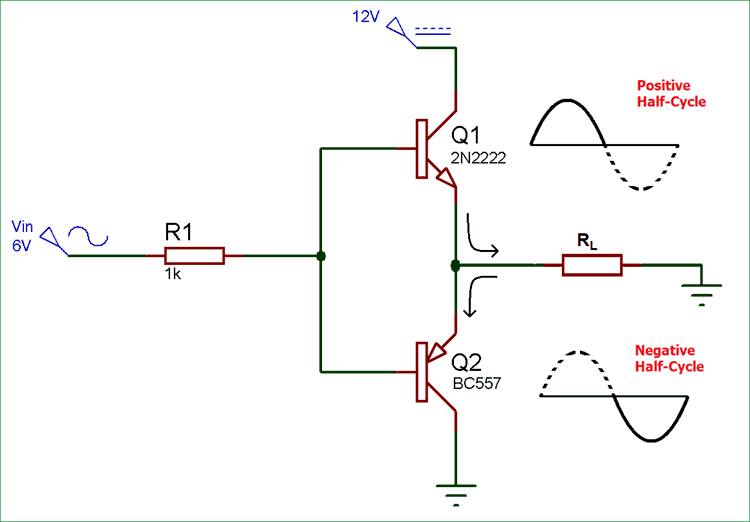
High Current Switching Circuits: Power Control with Discrete Transistors
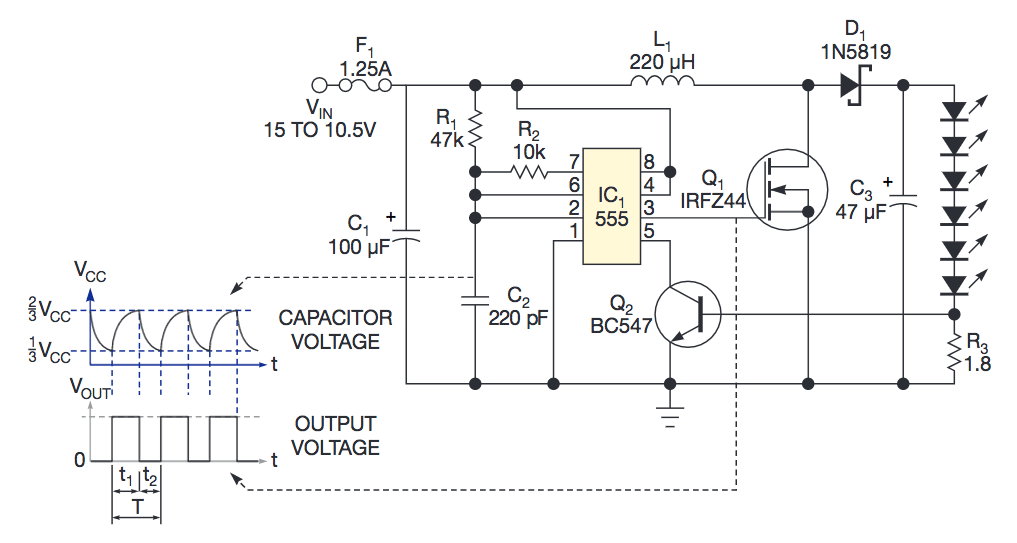
In applications like motor drives, inverters, and power converters, high current switching circuits are critical. Discrete transistors, especially MOSFETs, are ideal for these tasks due to their low on-resistance (RDS(on)) and ability to handle currents exceeding 30A in many cases.
Key Design Principles
Switching circuits require transistors to turn on and off rapidly while minimizing power loss. A low RDS(on) value—often below 0.01 ohms in modern power MOSFETs—reduces conduction losses. However, fast switching can introduce electromagnetic interference (EMI). To mitigate this, add gate resistors (typically 10-100 ohms) to slow down transitions slightly and reduce ringing.
Another concern is the gate drive voltage. For an N-channel MOSFET, a gate voltage of 10-15V is often needed to fully turn on the device and achieve minimal resistance. Ensure your driver circuit can supply this voltage with sufficient current, especially in high-frequency applications where switching losses can reach several watts.
Practical Example
Consider a DC motor controller handling 24V and 20A. A suitable MOSFET might have a breakdown voltage of 60V (to account for voltage spikes) and a continuous current rating of 40A for safety. During switching, the device might dissipate 2-5W of heat due to transition losses at 10 kHz. Proper heat sinking, which we’ll discuss later, is crucial here.
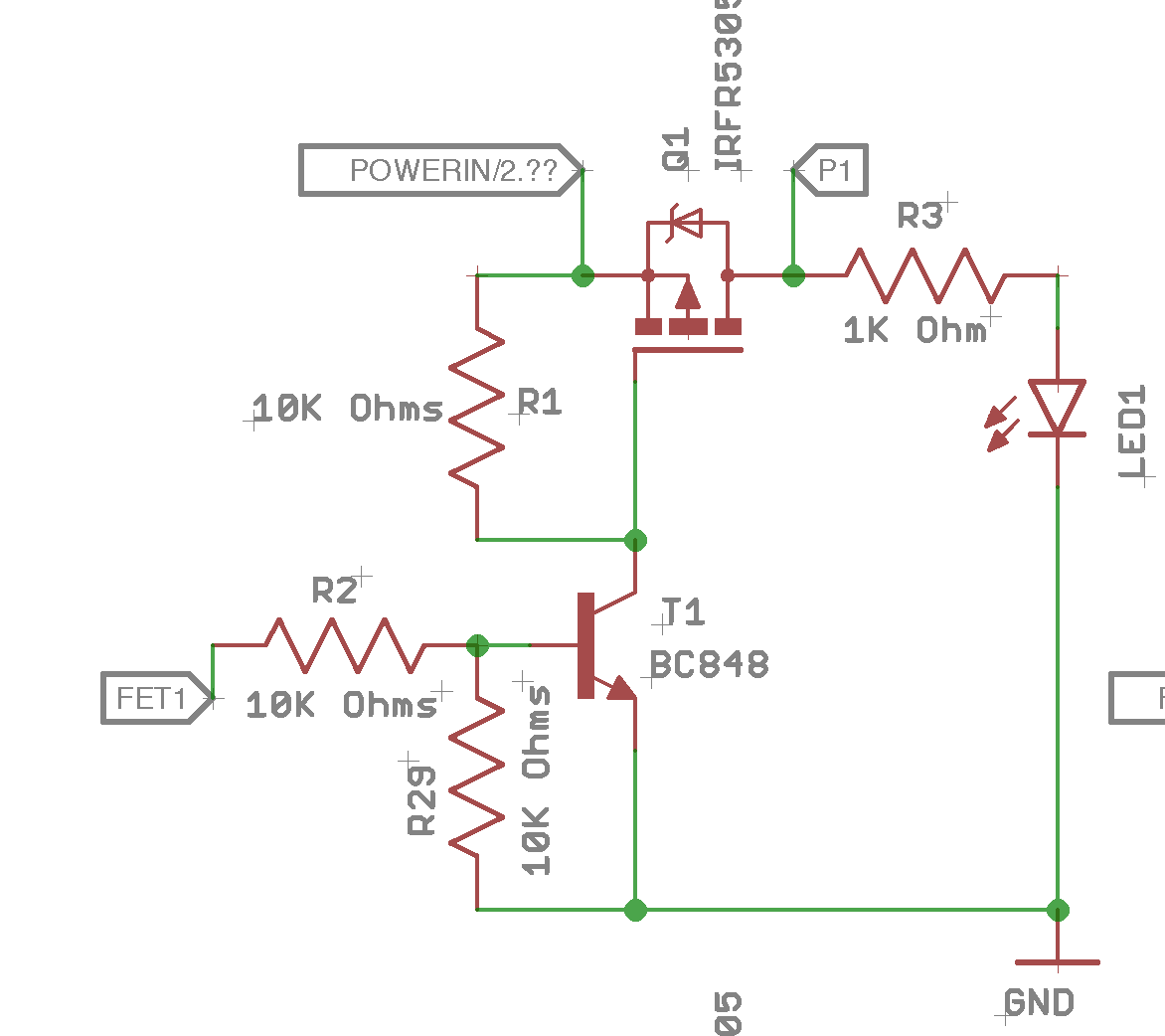
Discrete MOSFET Selection Guide: Finding the Perfect Fit
Selecting the right component is the foundation of any successful design. This discrete MOSFET selection guide will help you navigate the key parameters to consider when choosing MOSFETs for high-power applications.
Voltage and Current Ratings
Always choose a MOSFET with a voltage rating at least 20-30% higher than your system’s maximum voltage to account for transients. For current, select a device rated for at least double the expected load to ensure reliability. For instance, in a 48V system with a 10A load, opt for a MOSFET rated for 60-75V and 20-25A.
On-Resistance and Gate Charge
RDS(on) directly impacts power loss. A lower value means less heat generation during operation. Gate charge (Qg) affects switching speed—a lower Qg (e.g., 20-50 nC) allows faster switching but may require a more robust gate driver. Balance these factors based on your application’s frequency and efficiency needs.
Thermal and Package Considerations
High-power MOSFETs often come in packages like TO-220 or TO-247, which support heat sinks for better thermal management. Check the thermal resistance (Rth) from junction to case, typically 0.5-2°C/W, to estimate temperature rise under load. This ensures the device stays within its safe operating area (SOA).
Thermal Management for Discrete Power Components: Keeping Cool Under Pressure
High-power applications generate significant heat, making thermal management for discrete power components a top priority. Overheating can degrade performance, reduce lifespan, or cause catastrophic failure. Here’s how to manage heat effectively.
Understanding Power Dissipation
Power dissipation in transistors comes from conduction and switching losses. For a MOSFET with an RDS(on) of 0.02 ohms carrying 20A, conduction loss is 8W (P = I2R). Switching losses depend on frequency and transition time, often adding 2-10W in high-frequency circuits. Calculate total dissipation to size your cooling solution.
Heat Sinks and Thermal Interface Materials
Heat sinks are essential for dissipating heat into the surrounding environment. Choose a heat sink with a thermal resistance low enough to keep the transistor’s junction temperature below its maximum rating, often 150-175°C. For instance, a heat sink with 2°C/W resistance can handle 25W of dissipation with a 50°C temperature rise. Use thermal paste or pads to improve contact between the transistor and heat sink, reducing thermal resistance by up to 20%.
Active Cooling and Layout Tips
In extreme cases, active cooling with fans may be necessary. Ensure proper airflow around components, and place high-power devices away from sensitive circuits to avoid heat transfer. Use copper planes on your PCB to act as additional heat spreaders, especially for surface-mount devices.
Designing Robust Power Supplies with Discrete Components
Power supplies are the backbone of any electronic system, and designing robust power supplies with discrete components ensures reliability in high-power environments. Discrete transistors enable custom designs that can handle extreme conditions better than off-the-shelf IC-based solutions.
Linear vs. Switching Power Supplies
Linear power supplies use BJTs or MOSFETs in their pass element to regulate voltage. They’re simple and produce low noise but are inefficient, with power dissipation often exceeding 10-20W in high-current designs. Switching power supplies, on the other hand, use transistors as high-frequency switches (20-100 kHz) to achieve efficiencies above 85%. MOSFETs are preferred here for their fast switching and low losses.
Protection and Stability
High-power supplies must include overcurrent and overvoltage protection. Use discrete transistors in current-limiting circuits to shut down the supply if current exceeds a threshold, such as 15A in a 12V system. Add feedback loops with discrete components to stabilize output voltage, ensuring it stays within 1-2% of the target under varying loads.
Component Stress and Derating
To ensure longevity, derate components by operating them below their maximum ratings. For example, if a transistor is rated for 100V, use it in a circuit with a maximum of 70-80V. This practice reduces stress and extends the lifespan of your power supply, especially in industrial or automotive applications where reliability is paramount.
Conclusion: Unleashing the Power of Discrete Transistors
Discrete transistors remain an indispensable tool for engineers tackling high-power applications. From discrete transistor amplifier design to high current switching circuits, these components offer the flexibility, power handling, and reliability that ICs often can’t match. By following a discrete MOSFET selection guide, prioritizing thermal management for discrete power components, and carefully designing robust power supplies with discrete components, you can build systems that perform exceptionally under demanding conditions.
At ALLPCB, we’re committed to supporting your high-power projects with top-quality components and manufacturing services. Whether you’re prototyping a new amplifier or scaling up production for a power supply, our expertise in PCB assembly ensures your designs come to life with precision and reliability. Start mastering high-power applications today with the unmatched potential of discrete transistors.