ALLPCB


Overview
The AD7656 serial output code is a common embedded systems development routine used to control external devices for serial communication. This article describes the code's purpose, structure, usage, and considerations.
About the AD7656
The AD7656 is a 16-bit, 10-channel ADC (analog-to-digital converter) produced by Analog Devices Inc. It can convert the voltage signals of 16 analog input channels into corresponding 16-bit digital outputs, making it suitable for applications that require high-precision analog signal acquisition.
Function
The main function of the serial output code is to communicate with the AD7656 over the SPI serial peripheral interface to read conversion results from the analog input channels.
Code Analysis
Below is a detailed analysis of the AD7656 serial output code.
First, the code defines SPI-related parameters, including communication rate, number of bits per transfer, and other control parameters. These parameters affect the communication quality and speed with the AD7656.
Next, the code initializes the SPI interface and configures the AD7656 registers, including reference voltage, mode selection, and channel selection. These settings directly affect the AD7656 operating mode and channel count.
Then, the code enters a loop that reads conversion results from the AD7656 via the SPI interface. On each iteration, the code sequentially reads each channel's conversion result and saves it into corresponding variables. These variables can be used for subsequent data processing and analysis.
Note that the read frequency for AD7656 conversion results is limited by the SPI communication rate. If the communication rate is too low, data reads may be incomplete or inaccurate. Therefore, when using this code, set parameters according to the application requirements and AD7656 characteristics to achieve optimal communication performance.
The code also needs to handle errors and exceptions during SPI communication. For example, when an AD7656 conversion result is invalid or a communication timeout occurs, the code should perform appropriate error handling such as retry, reset, or reporting an error.
Usage Notes
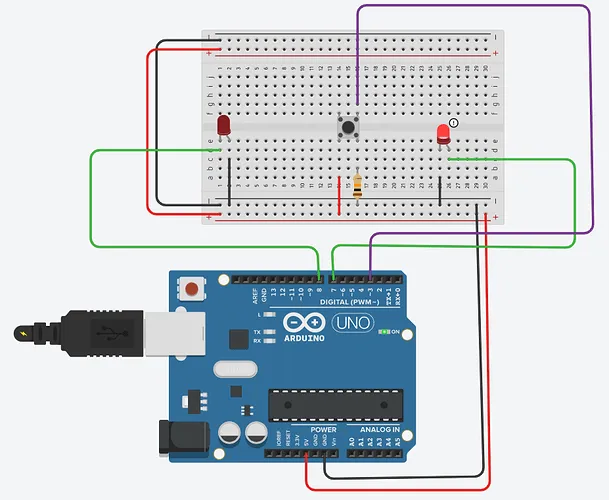
- Ensure the AD7656 is correctly connected to the microcontroller or processor, and configure the hardware pins according to the AD7656 datasheet.
- Set an appropriate SPI communication rate to ensure reliable data transfer. Generally, higher communication rates allow faster reads of conversion results but may increase system noise and power consumption.
- Before using the AD7656, consult the AD7656 datasheet to understand its operating principles, register settings, and electrical characteristics. This will help in understanding the code design and usage.
- For specific applications, modify and customize the code as needed. For example, you may need to read particular channels only or add data processing algorithms.
Conclusion
The AD7656 serial output code controls the AD7656 to perform analog-to-digital conversions and reads results via the SPI interface. By clearly defining parameters, initializing the SPI interface, looping to read conversion results, and handling exceptions, the code achieves stable communication with the AD7656. Adjustments and customizations based on application requirements and AD7656 characteristics, along with correct hardware connections, suitable communication rate settings, and proper error handling, will help implement a high-quality AD7656 data acquisition system.