ALLPCB


Overview
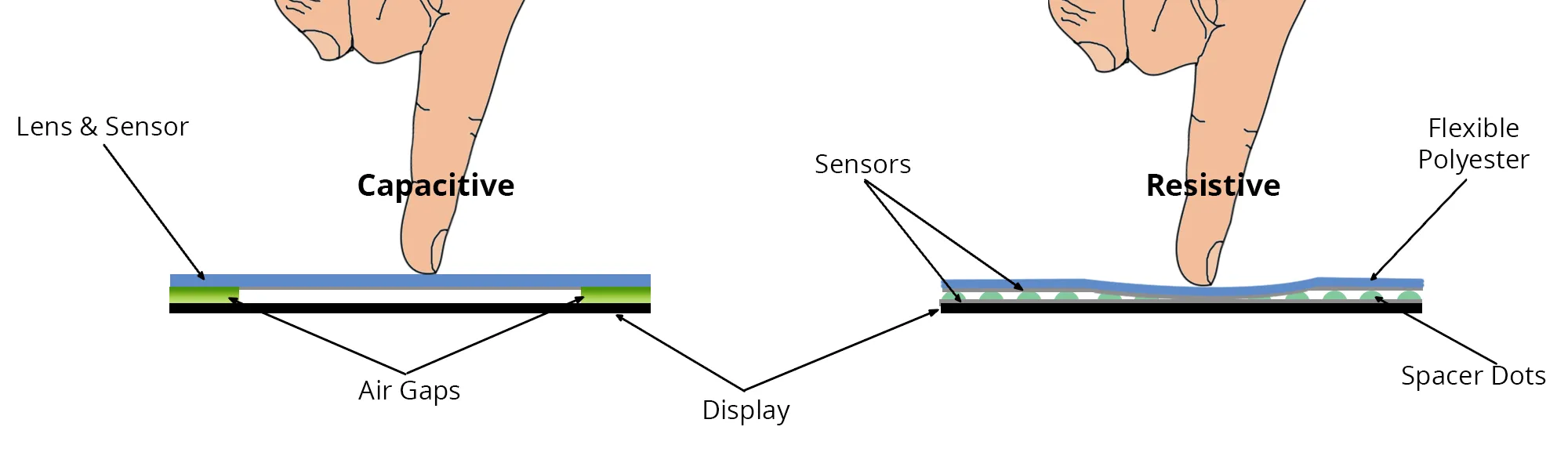
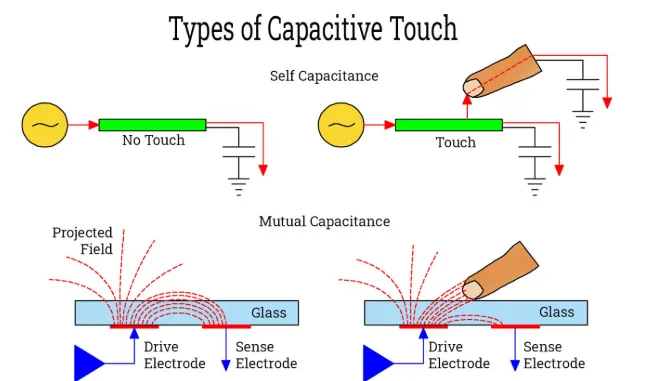
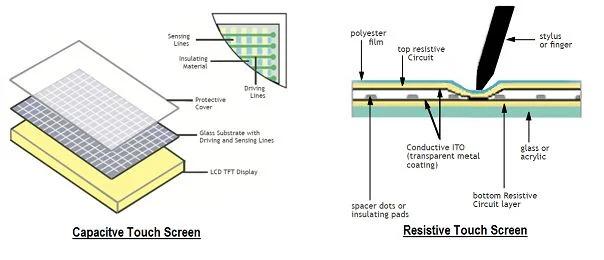
Have you experienced reduced touchscreen responsiveness or a completely unresponsive screen when using a phone outdoors in winter? Modern phones typically use capacitive touchscreens that support multi-touch and offer high transmittance, fast response, and long service life. However, their capacitance changes with temperature and humidity, which can reduce stability, cause drift, and require frequent recalibration. Capacitive screens also generally do not work when wearing ordinary gloves. The normal operating temperature range for many capacitive screens is 0-35°C. In colder regions where ambient temperature often falls below 0°C, the touchscreen may become unresponsive.
Other factors
Apart from temperature, various factors can affect touchscreen performance, such as surface contamination, moisture, or software faults. Below are practical troubleshooting and maintenance steps for capacitive screens.
Troubleshooting steps
- Power off the phone, wait a few minutes, then power it on to restart the system and services.
- Connect the phone to a computer using a USB data cable and check whether functionality returns.
- Lightly moisten the screen with a small amount of water and then try operating it.
- If touch is inaccurate and recalibration does not help, warm the screen with a hair dryer on medium speed while the phone is powered off. Keep the temperature moderate, move the dryer evenly across the screen until the surface feels warm, then power the phone on.
- Use adhesive tape to repeatedly stick and peel the affected area, similar to using a dust-removal sticker when applying a screen protector. Repeat until touch returns to normal.
When to seek repair
If the touchscreen issue is not caused by software or surface conditions, the methods above usually resolve unresponsive behavior. If none of these steps work, have the device inspected by repair personnel to determine whether the touchscreen hardware is faulty.