ALLPCB


Introduction
Think of an airport highway that many people use to travel to and from the airport. Cities sometimes build a second airport highway to relieve congestion. Even if one highway becomes congested, drivers who know in advance can use the other. Networks use a similar approach with multiple parallel links, known as link aggregation. This article explains link aggregation and how LACP works.
What is link aggregation?
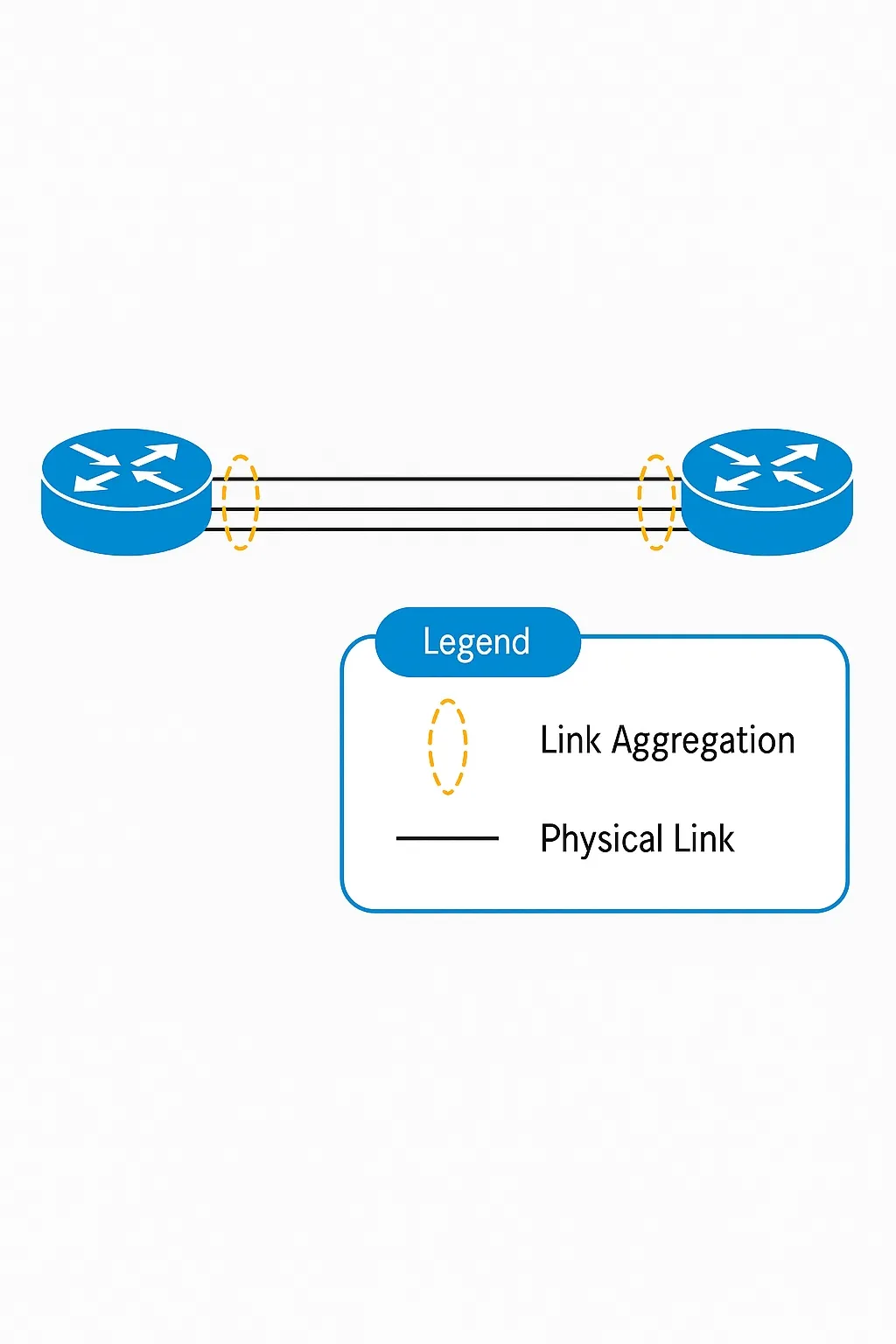
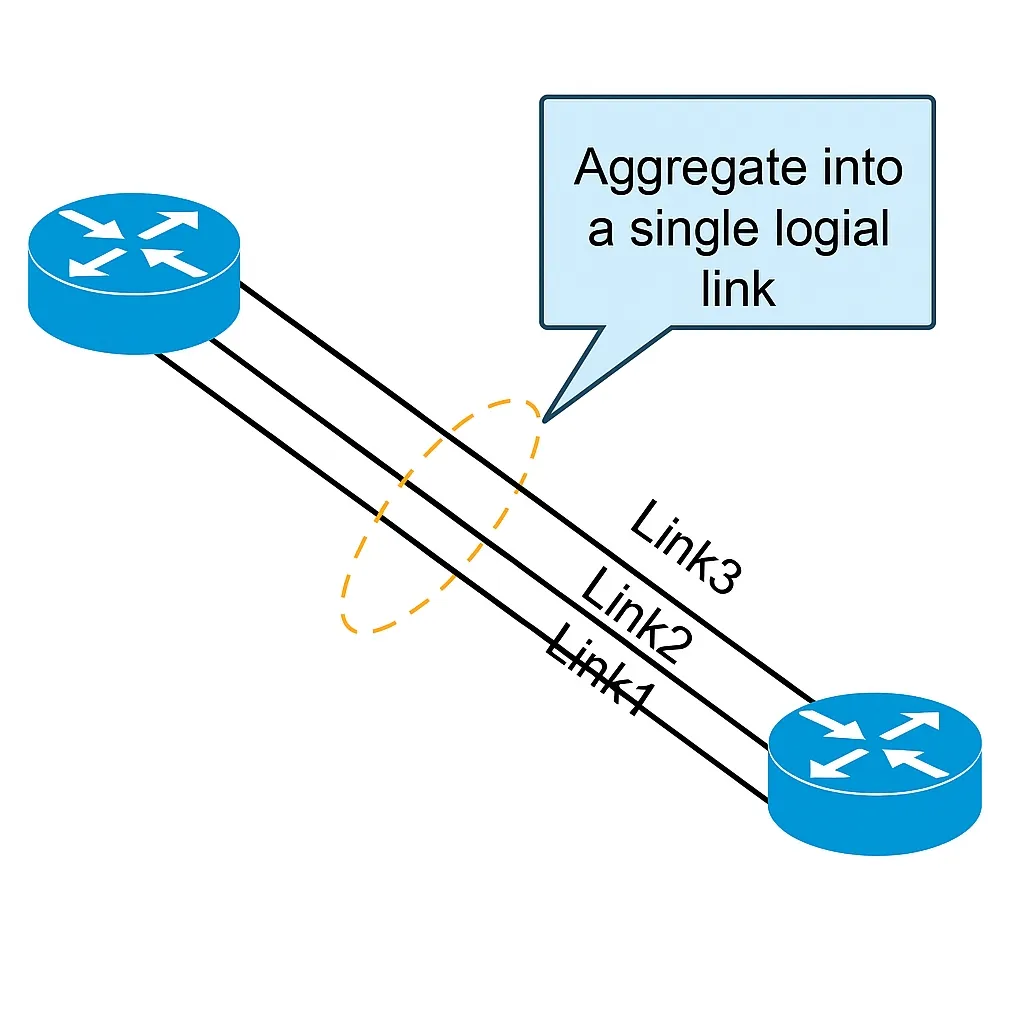
Link aggregation bundles multiple physical links that share the same media type and data rate into a single logical link. Also called trunking, link aggregation allows switches or a switch and a server to increase bandwidth by combining parallel physical links. Aggregation can be configured statically or dynamically.
Static aggregation
Static aggregation, also called static trunk (on mode), requires manual configuration of the aggregation group ID and member ports. Multiple physical ports are added to an aggregation group to form one logical port.
Static aggregation does not run LACP. Because it cannot detect the state of the remote port, if the remote port goes down while the local port remains up, the local device may still forward traffic to the downed link, potentially causing service interruption.
Dynamic aggregation and LACP
Dynamic aggregation uses the IEEE 802.3ad Link Aggregation Control Protocol, LACP. LACP dynamically aggregates multiple physical ports into a single trunk group to increase bandwidth and redundancy.
LACP lets devices negotiate which physical links can be bundled and set parameters such as priorities and active states. Once multiple physical links are bundled into one logical link, they share the same MAC address (and a logical interface can share an IP address), forming a higher-capacity logical channel.
How LACP works
LACP dynamic group establishment
LACP exchanges information using LACPDU (Link Aggregation Control Protocol Data Unit). When LACP is enabled on a port, the LACPDU contains the device system priority, MAC address, interface priority, interface number, and operational key. The remote device compares these fields with the information of its other ports to decide which ports can be aggregated. Both sides must agree on adding or removing ports from the dynamic aggregation group and on which links will carry traffic.
When both devices create an aggregation group and enable LACP on member interfaces, they exchange LACPDUs. Each side records the peer information and compares it with the saved information of other group members to select which links join the aggregation group. The active interfaces within the group are chosen based on interface priorities, and traffic is forwarded across those active links using load-sharing rules.
LACP operation modes
LACP supports two operation modes: active and passive. In active mode, a device actively sends LACPDUs and waits for a response. If the peer supports LACP and is configured as passive, it will respond and aggregation can be established. In passive mode, a device only responds to received LACPDUs and does not actively initiate them. If both ends are passive, no LACPDUs are exchanged; if either end is active, LACPDUs are exchanged and aggregation can form.
LACP timeout modes
LACP timeout modes are long timeout and short timeout. Long timeout sends LACPDUs every 30 seconds and uses a 90-second timeout. Short timeout sends LACPDUs every 1 second and uses a 3-second timeout. The default is long timeout: one LACP packet every 30 seconds, and if no peer LACP packet is received within 90 seconds, the negotiation is considered failed.
Benefits of link aggregation
- Increased link bandwidth: Aggregation combines multiple physical ports into one logical interface whose maximum bandwidth can equal the sum of member port bandwidths.
- Improved reliability: Aggregation provides link redundancy. If an active link fails, traffic can switch to other member links, improving the logical interface reliability and avoiding single-board or single-slot failures in multi-slot systems.
- Load sharing: Traffic can be distributed across member links using hashing rules (for example, based on five-tuple such as source IP and destination IP), reducing load on any single link.
Typical use cases
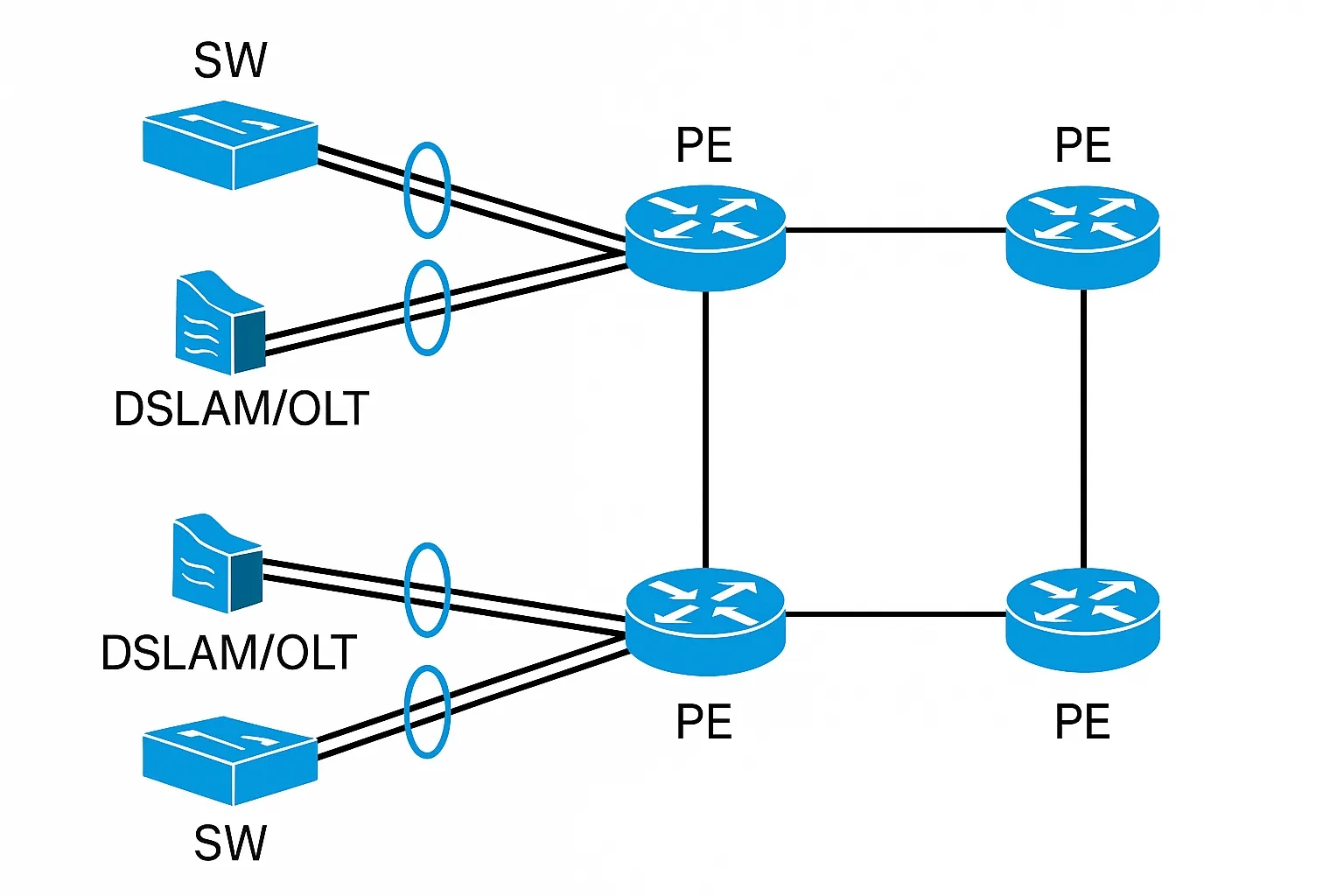
Residential broadband and campus network access
With growing fixed-line services including residential broadband and IPTV, OLT access bandwidth demand increases. Link aggregation enables convenient, rapid bandwidth scaling. Campus network access also sees similar traffic growth, and aggregation is commonly used between aggregation switches.
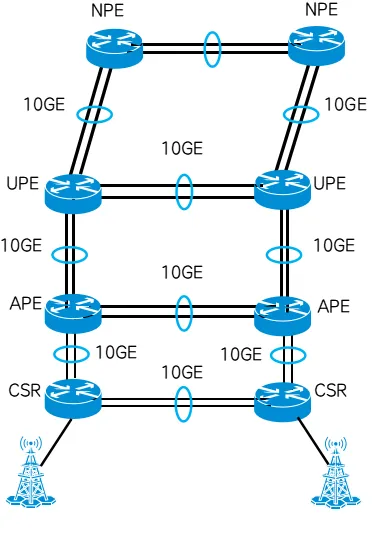
Mobile bearer and backhaul
With rapid growth in 5G services such as data and high-definition video, mobile bearer networks require high bandwidth and reliability. Link aggregation is widely deployed in mobile backhaul and IP RAN networks to expand 10GE/100GE bandwidth and ensure link redundancy for high service reliability.
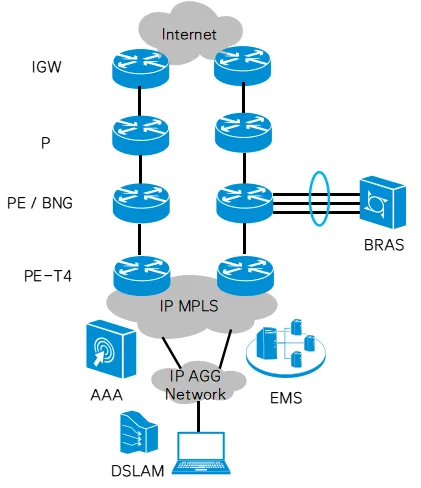
BRAS and authentication aggregation
BRAS is the core device for fixed network user authentication. As access user traffic and reliability requirements increase, link aggregation offers flexible bandwidth scaling by adding group members as traffic grows. Cross-board aggregation helps protect tens of thousands of users on a single board from single-board failures.
Data center scenarios
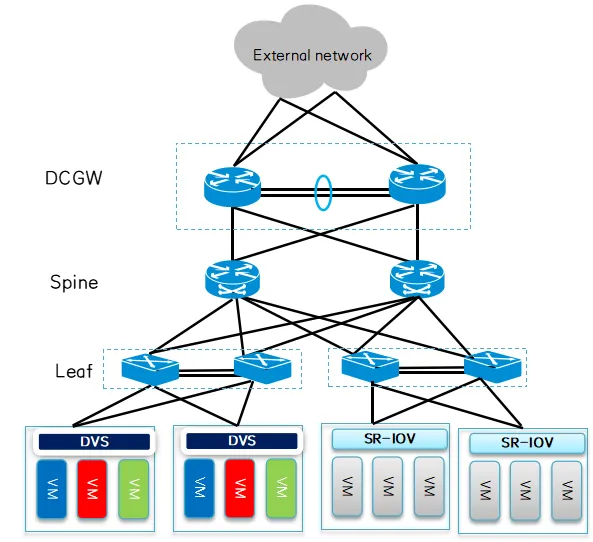
Data centers, such as telecom cloud networks supporting mobile services, rely on link aggregation for bandwidth scaling, link reliability, and efficient utilization of member links through load sharing.