ALLPCB


Overview
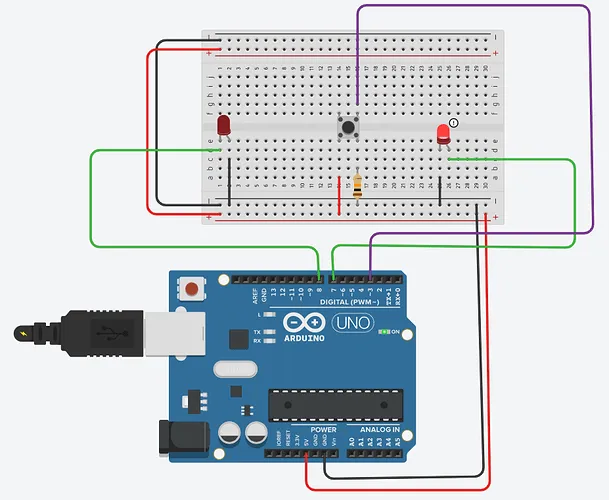
Digital circuit simulation software is a tool for simulating and testing digital circuit designs. Microcontroller simulation software is a type of tool focused on microcontrollers. It provides a virtual hardware environment that lets users write, debug, and test microcontroller programs on a computer before deploying to physical hardware.
Basic concepts
A microcontroller is a core component of embedded systems. It integrates a microprocessor, memory, and various peripheral input/output interfaces to control and execute specific tasks. A microcontroller program consists of a sequence of instructions and code that run on the microcontroller to implement particular functions.
Choosing simulation software
There are many microcontroller simulation packages available, each with different features and workflows. Examples include Proteus, Keil uVision, and IAR Embedded Workbench. Select the tool that best fits your target microcontroller family and development needs.
Typical workflow
Using microcontroller simulation software generally involves the following steps:
- Software installation and configuration: Download and install the simulation software. After installation, perform basic configuration such as selecting the target microcontroller model and setting the compiler. These settings adapt the simulation environment to the hardware you intend to emulate.
- Writing the program: Use the editor provided by the simulator to write program code in a high-level language such as C. Define variables and functions while following the instruction set and programming conventions of the target microcontroller to ensure correctness and portability.
- Compiling and generating an executable: Compile the source code into machine instructions that the microcontroller can execute. The compiler performs compilation and optimization, producing an executable file containing the instructions and data to run on the simulation platform.
- Simulation and debugging: Set initial states, input data, and parameters in the simulator. Execute the program step by step and observe its behavior in the simulated environment. Inspect outputs and variable values to determine whether the program meets design requirements and perform necessary debugging.
- Result analysis and verification: Record and analyze simulation results, such as execution timing, memory usage, and correctness of inputs and outputs. Use these observations to evaluate performance and validate the design.
Practice and skill development
Effective use of microcontroller simulation software requires ongoing practice. With experience, users can master advanced features and techniques, improving their design and debugging capabilities.
Summary
Microcontroller simulation software provides a virtual platform to simulate and test digital circuit designs involving microcontrollers. Before using such tools, understand the basic concepts and choose suitable software. The common workflow includes installation and configuration, program development, compilation, simulation and debugging, and result analysis. Continuous practice helps improve proficiency with these tools.