ALLPCB


The rise of the metaverse depends on a broad technical ecosystem, similar to how the internet economy is built on IT technologies.
Based on industry analyses, the metaverse is supported by six core technological pillars. These pillars can be summarized with the acronym BIGANT.
BIGANT is an acronym formed from the initial letters of the six pillars. The analogy of a large ant colony is used to illustrate how numerous simple components can form a highly capable collective system. These six technology domains together form the main technical foundation for the metaverse.
The six pillars of the metaverse, BIGANT, are:
- B — Blockchain
- I — Interactivity
- G — Game technology
- A — Artificial intelligence (AI)
- N — Network and computation
- T — Internet of Things (IoT)
1. Blockchain
Blockchain is a key foundation for metaverse economics. A decentralized approach is necessary so that users' virtual assets can move and be traded across sub-metaverses to form a large economic system.
Technologies and applications such as NFTs, DAOs, smart contracts, and decentralized finance enable a creator-driven economy and large-scale content innovation. Blockchain can provide decentralized clearing and settlement platforms and value transfer mechanisms that help ensure ownership, traceability, transparency, and determinism in metaverse economic systems.
2. Interactivity
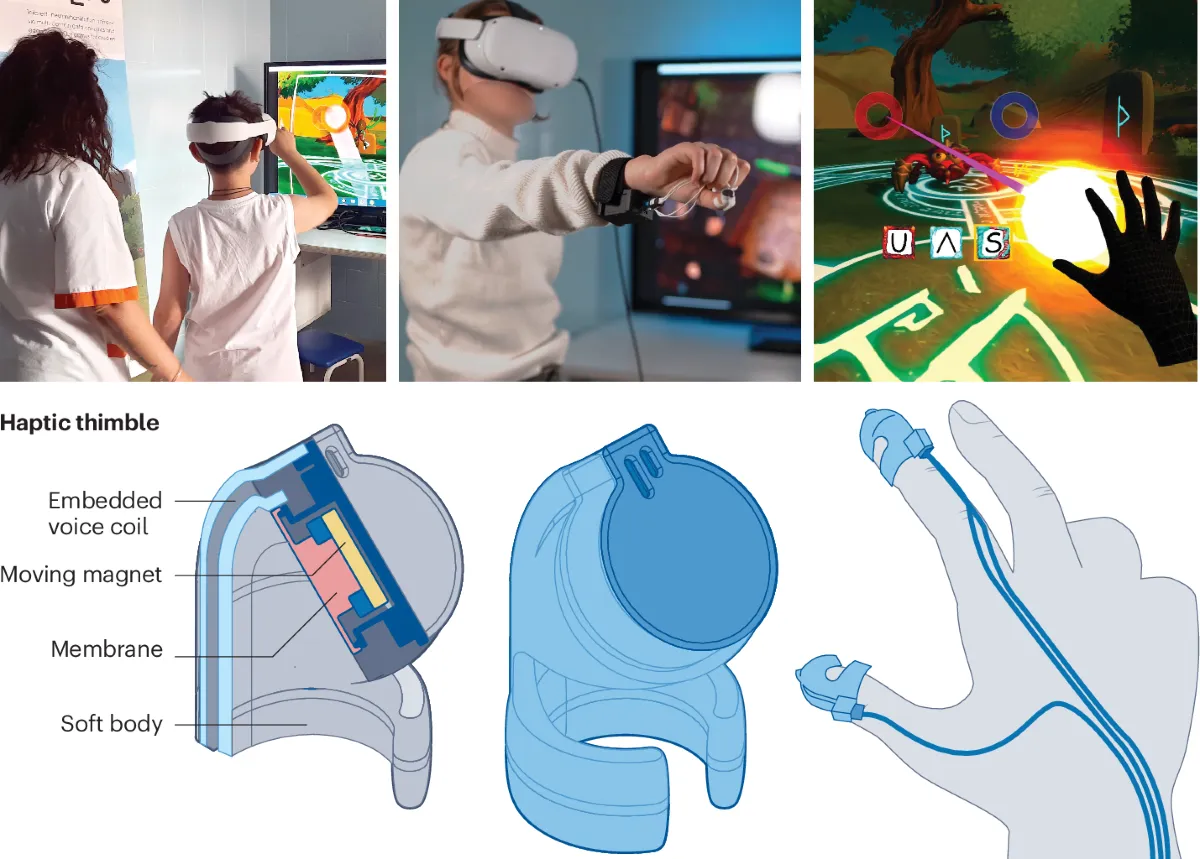
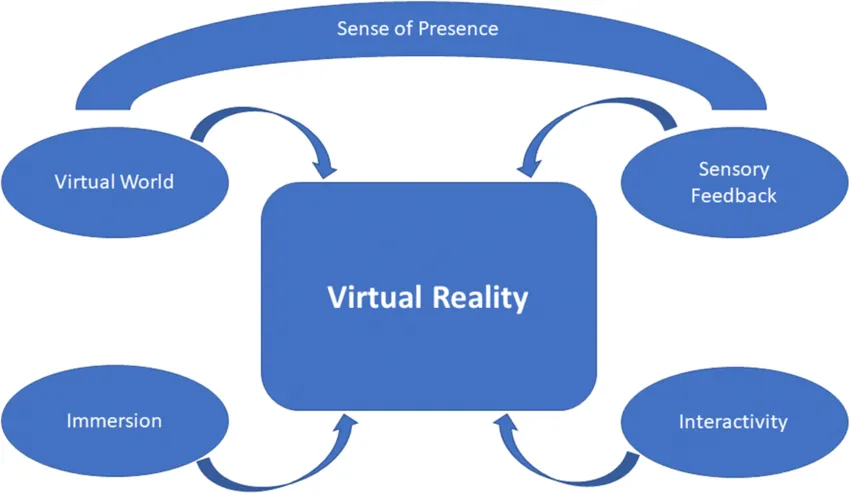
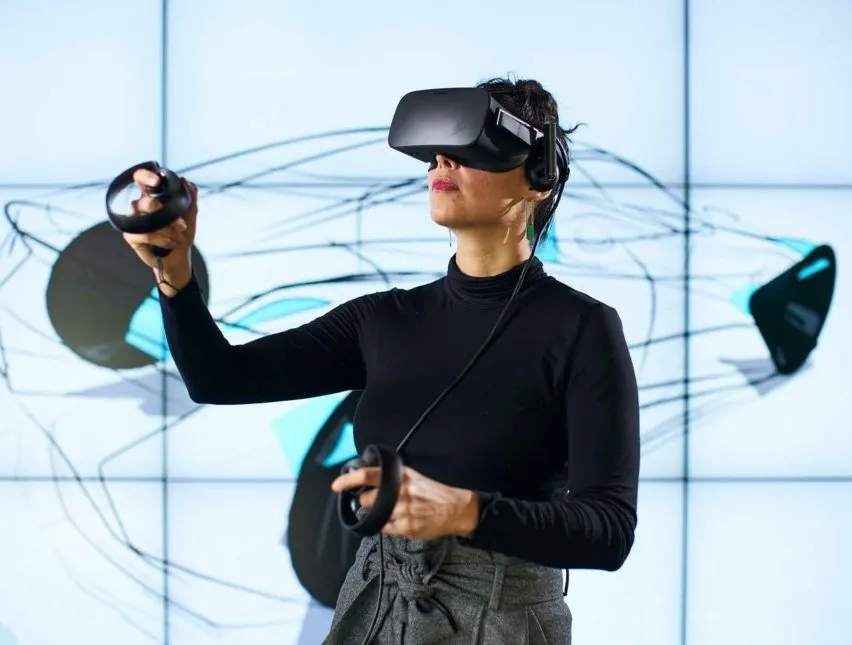
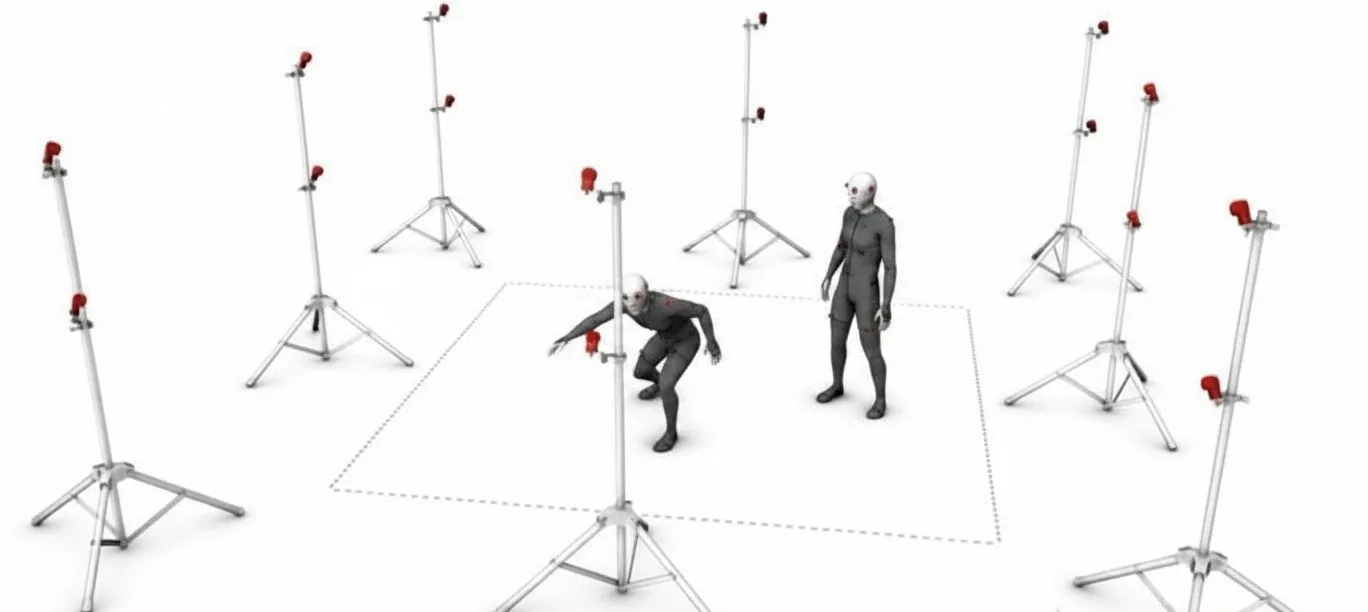
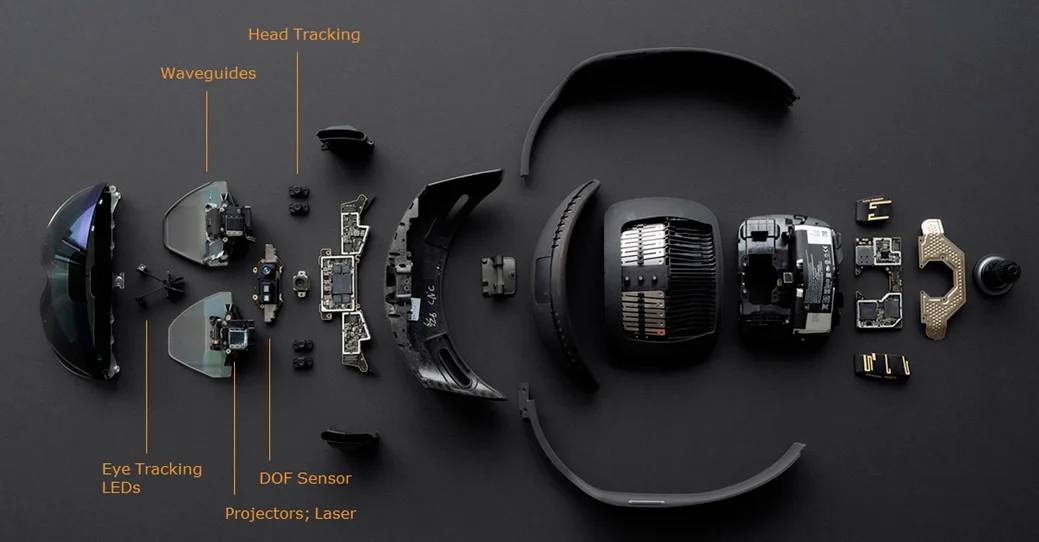
Interactivity technologies, including AR and VR, enhance immersion. Human-machine interaction remains a primary bottleneck for metaverse immersion. Interaction technologies include output modalities and input sensing. Output modalities include head-mounted displays, haptics, nociception, olfactory interfaces, and technologies that translate electrical signals into sensory input, potentially extending to direct neural interfaces. Input modalities include miniature cameras, positional sensors, force sensors, and velocity sensors. Multimodal interaction also includes brain-computer interfaces, which represent a long-term direction.
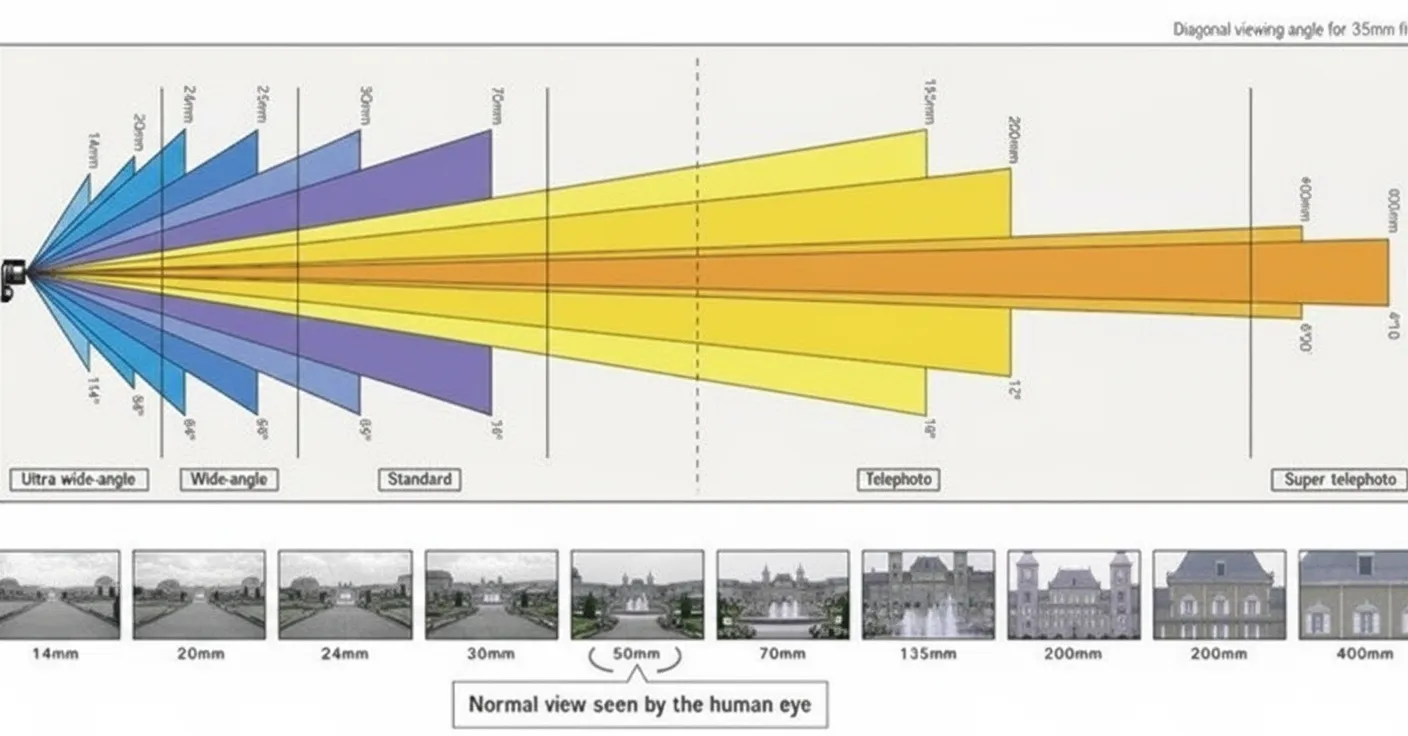
Human visual resolution is approximately 16K per eye, which is a baseline for immersion without a screen-door effect. To achieve smooth, realistic refresh rates above 120 Hz, even with limited color depth and gamut, the data rate per second can reach on the order of 15 GB. Achieving such display performance across devices could take several years and depends on progress in related modules.
Many current consumer VR products support binocular 4K at refresh rates in the 90–120 Hz range, which remain early-stage for high-fidelity immersion. As VR and AR interaction technologies evolve toward higher realism and higher frequency interfaces, immersion in virtual open-world experiences should significantly improve, narrowing the gap toward mature metaverse forms.
3. Game Technology
Game technology includes 3D modeling and real-time rendering in game engines, as well as digital-twin 3D engines and simulation techniques. Lowering the complexity of 3D content creation is essential to enable broad participation in content production. If complex 3D assets, characters, and games become accessible to a wide audience, the creator economy for the metaverse can expand substantially.
Simulation technology is critical for digitizing the physical world. Digital twins must obey physical laws—gravity, electromagnetism, wave propagation, pressure, and acoustics. High-fidelity simulation that respects these laws is necessary for realistic virtual representations of the physical world.
Coordinated development of game technology and interaction technology is a key prerequisite for explosive user growth: game technology addresses rich content, while interaction technology addresses immersion.
4. Network and Computation
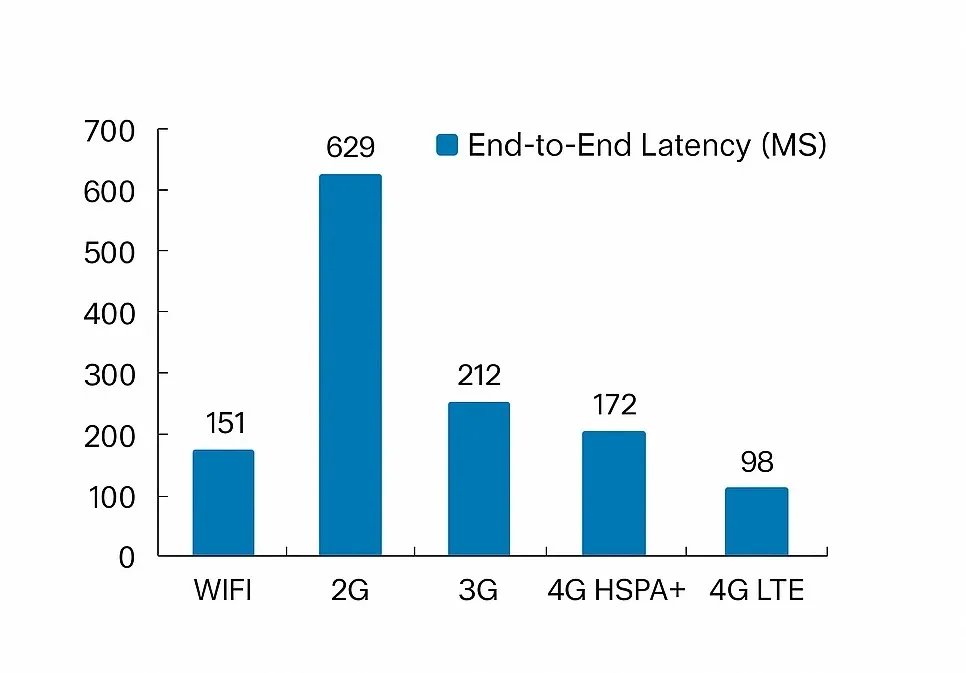
The metaverse requires high synchronization and low latency so users experience real-time, smooth interactions. Independent network tests show 4G LTE end-to-end latency around 98 ms, which can support video conferencing and online classrooms but does not meet the low-latency demands of the metaverse. A major VR challenge is motion-to-photon latency, where transmission delay causes motion sickness. Improvements in 5G bandwidth and throughput help reduce latency and alleviate such effects.
Nokia Bell Labs data indicate that 5G end-to-end latency can be controlled within about 10 ms. Large-scale data transmission in the metaverse relies on robust communications infrastructure. Due to base-station deployment limits, real-world 5G throughput may not always reach theoretical levels. Future 6G concepts envision latency an order of magnitude lower than 5G and throughput potentially 50 times higher, which would better support the low-latency characteristics required by the metaverse.
Edge computing is often considered essential infrastructure for the metaverse. By placing compute resources near data sources and offering local platform services, edge computing supplements device-level compute, improves processing efficiency, and reduces network latency and congestion risks.
The metaverse expects users to log in from any device, anywhere, requiring continuous data monitoring and large-scale computation. Single servers cannot support the metaverse's massive compute demand. Cloud computing, as distributed computation infrastructure, offers substantial compute capacity to support many concurrent users.
5. Artificial Intelligence
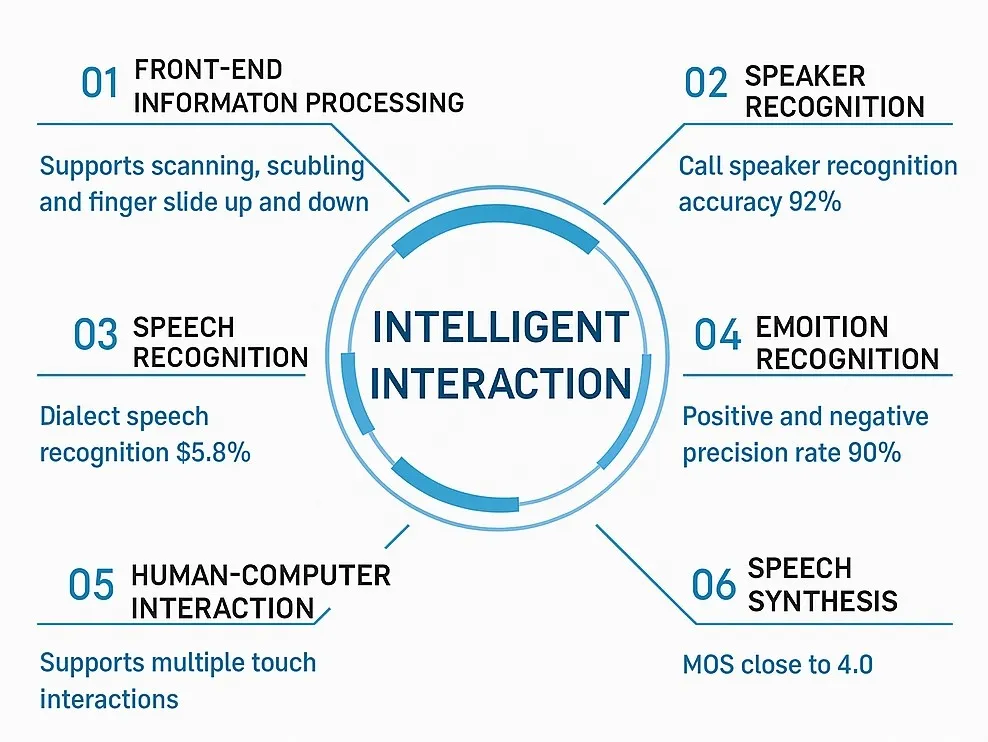
AI reduces content creation barriers and enhances extensibility. Artificial intelligence is pervasive across metaverse layers and applications: smart contracts on blockchain, AI-based recognition in interaction, procedurally generated in-game characters, items, and storylines, AI capabilities in intelligent networks, AI on IoT data, voice and semantic recognition for virtual characters, social-recommendation AI, AI-driven DAO operations, AI construction of virtual environments, and analytics and inference.
For professional-generated content (PGC), first-party game content remains a foundational domain. Current 3D game scene and character modeling require significant human and material resources. Advances in algorithms, compute power, and AI modeling will improve PGC production efficiency. For user-generated content (UGC), low barriers to authoring and sustainable closed-loop economies are key drivers of metaverse growth. Reducing programming and creation complexity while enabling in-game economic closures requires breakthroughs across blockchain economics, AI, and integrated content platforms.
6. Internet of Things
IoT, supported by 5G and cloud computing, enables large numbers of users to be online simultaneously and improves accessibility.
The metaverse is a large-scale participatory medium where user counts may reach hundreds of millions. Most large online games run client software with operator servers and user devices as endpoints. This model imposes performance requirements on user hardware, creating access barriers and limiting reach. Server capacity is also limited, constraining support for very large concurrent user populations. Advances and wider adoption of 5G and cloud computing are critical to overcoming these accessibility limits.
IoT performs front-end data collection and processing for physical-world digitization and also enables the metaverse to interact with and manage the physical world. Only with pervasive connectivity does a virtual-physical coexistent metaverse become feasible. Developments in physical sensing and networking provide continuous, accurate, real-time data feeds to digital twins, allowing virtual participants to observe the physical world without leaving the network.
5G rollout provides a network foundation for IoT growth, but bottlenecks in battery technology, sensing, and AI-driven edge computing still limit large-scale IoT deployment. Significant improvements in these areas are expected within a few years.