ALLPCB


While many were still impressed by the immersion of 3D holographic imaging, virtual reality (VR) technology—which surpasses conventional 3D approaches—has already become widespread.
Currently, various high-tech companies in China are releasing VR products. Targeting the roughly 450 million people with myopia in the Chinese market, companies are developing measures to improve the VR experience for nearsighted users.
Two reports drew particular attention: "800-degree myopia can play VR without glasses" and "Medical miracle: VR headsets not only safe but can also correct vision." To assess these claims, the medical commentator consulted Professor Zheng Wang and Professor Daijin Ma.
Professor Zheng Wang is one of the founders of LASIK surgery in China, a recipient of a State Council special allowance, and a doctoral supervisor at the Xiangya School of Ophthalmology, Central South University. Professor Daijin Ma is director of the Excimer Center at Aier Eye Hospital, Changsha.
Limited adjustment range in VR devices
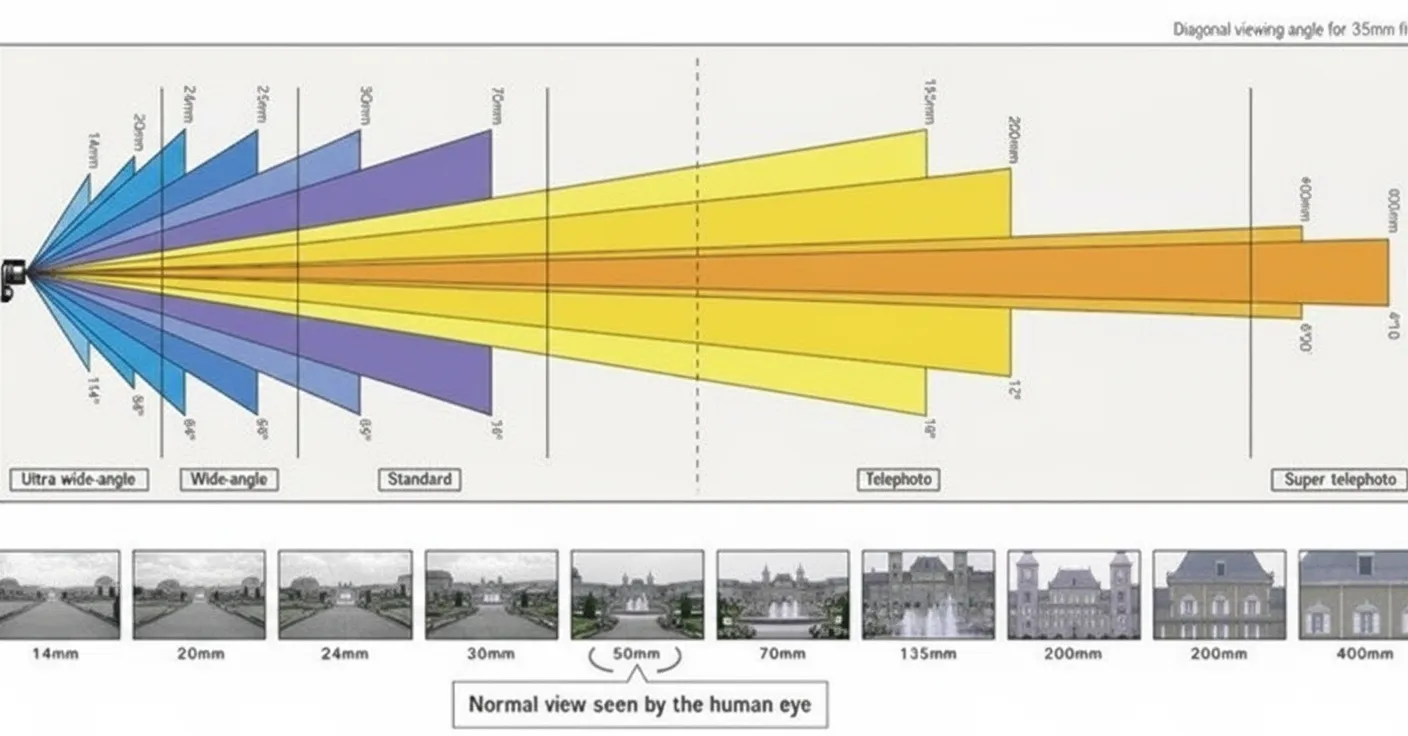
Professor Wang explained that adding controls on a VR headset to adjust focus, interpupillary distance, and diopter has a scientific basis for improving VR experience among people with myopia. However, a single device is unlikely to accommodate the full range of refractive errors. For example, if a user's prescription exceeds the device's adjustment range, the visible field within VR will shrink, peripheral areas may appear blurred or distorted, and the overall VR experience will decline.
Professor Ma also noted that current VR headsets cannot precisely compensate for individual refractive errors such as myopia and astigmatism, so the experience for nearsighted users will still be inferior to that of users with normal vision. In addition, wearing eyeglasses inside a VR headset can reduce comfort because of the frames and lens positioning.
Blurred field of view
Wearing eyeglasses under a VR headset is uncomfortable, and persistent blurriness due to uncorrected refractive error reduces immersion. Professor Ma offered a practical point: achieving unaided vision close to normal is the most direct way for nearsighted users to obtain the same VR experience as users with normal vision. Visual acuity can be restored to normal levels after refractive surgery, allowing those users to enjoy VR without the limitations caused by refractive error.
VR cannot correct myopia; amblyopia claims need testing
Professor Wang emphasized that VR headsets cannot correct myopia. There is, however, some theoretical rationale for using VR-based methods in amblyopia rehabilitation. Whether specific VR products can effectively treat amblyopia remains to be validated by scientific studies. Professor Wang noted that tests of one such product are currently underway at a U.S. university, and results are not expected until the end of this year at the earliest.