ALLPCB


Overview
Virtual reality head-mounted displays are currently among the most popular digital devices. Oculus Rift is already on the market, HTC Vive is about to ship, and Sony PlayStation VR is scheduled for release in summer. Both PC and game console users can experience VR games. Smartphones can also provide entry-level VR through peripherals such as Google Cardboard and Samsung Gear VR.
Although VR headsets are a major area of interest in consumer electronics, their hardware structure and operating principles are often not well understood. This article examines the main components and sensing principles inside VR headsets.
Basic technical characteristics
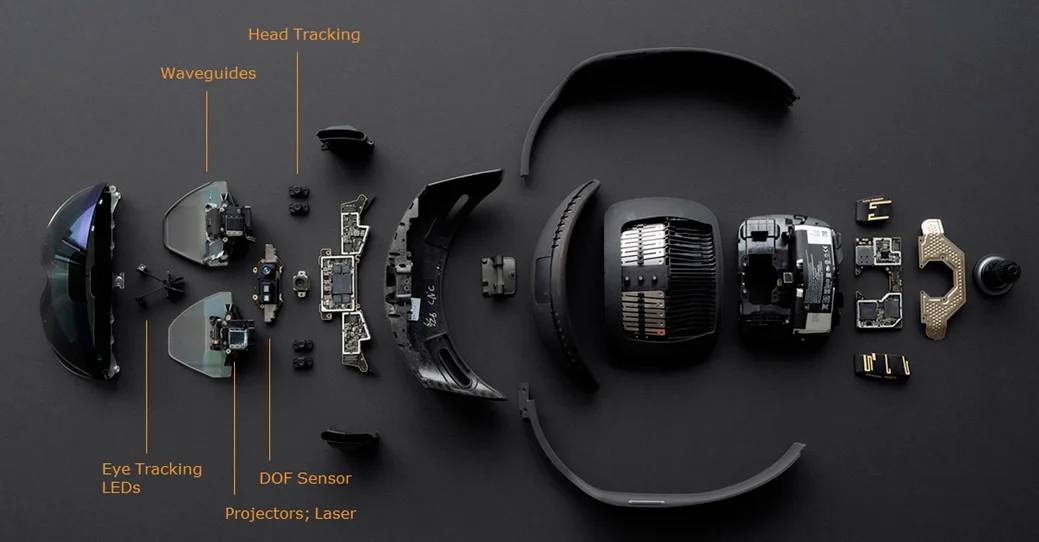
First, a VR headset is fundamentally a display, a head-mounted display. It is not typically a standalone, portable computer. A typical example is Microsoft's augmented reality glasses HoloLens. Many people confuse it with head-mounted displays; however, HoloLens is a complete computer, with a built-in processor, RAM, and GPU that can run applications independently. Consumer VR headsets such as Oculus Rift do not include that level of standalone computing.
Most VR headsets share similar core components. They generally use two lenses with an OLED screen positioned behind them, and the combination produces an immersive 3D image. Desktop-class products (Oculus Rift, HTC Vive, and Sony PlayStation VR) include integrated displays and connect to a host (PC or PS4) via HDMI. Mobile solutions such as Samsung Gear VR include only the lenses and rely on a smartphone to serve as both the display and the host.
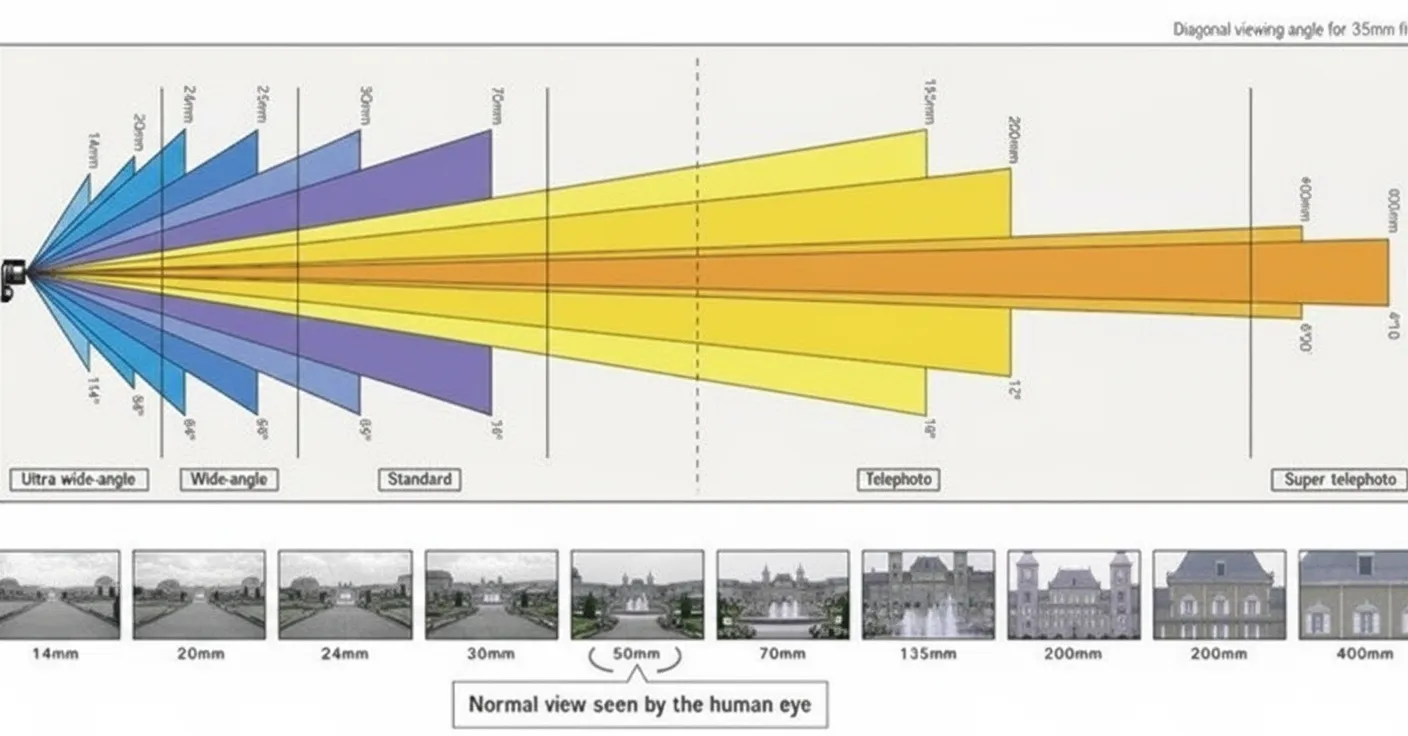
In terms of visual effect, the lenses and display typically provide about a 100 to 110 degree field of view to achieve immersion. A full 360 degree field of view is not currently necessary. A frame rate of 60 fps is considered the minimum standard for VR headsets to help avoid judder and motion sickness.
Head tracking
To reproduce natural head movement, VR headsets include head motion tracking. Commonly implemented as 6-axis tracking, they detect translation and rotation along the X, Y, and Z axes. Headsets also integrate sensors such as gyroscopes, accelerometers, and magnetometers to capture rotational speed and fine motion details. Some systems use visible LEDs or laser sensors on the headset to reduce signal latency.
Motion tracking
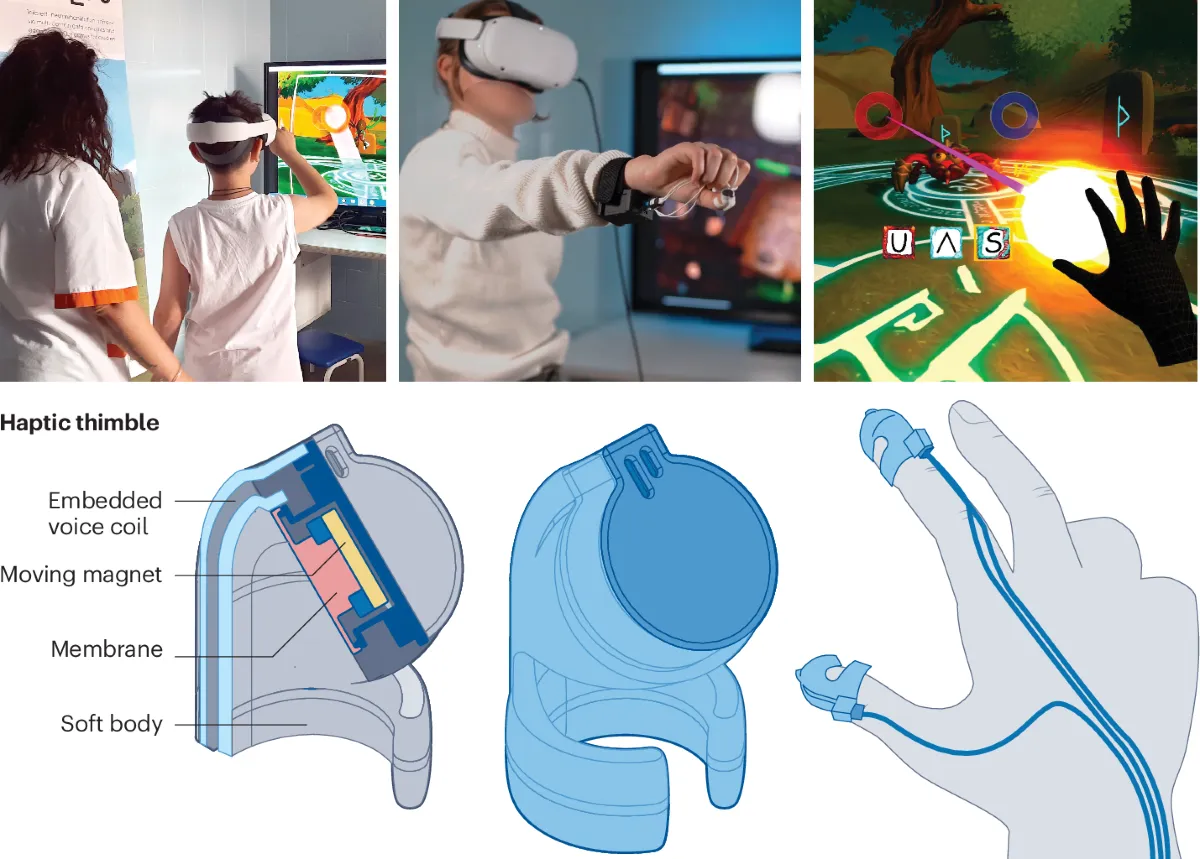
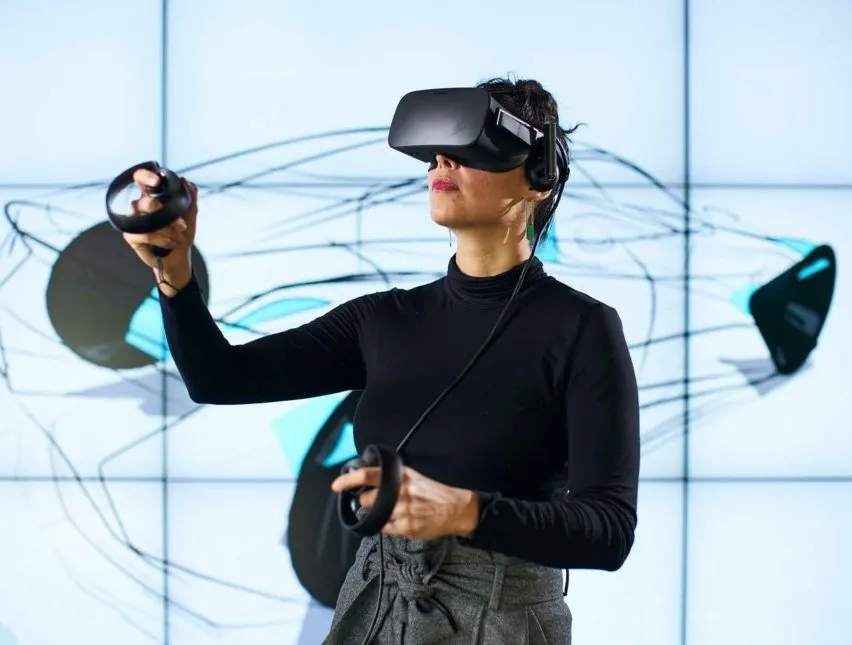
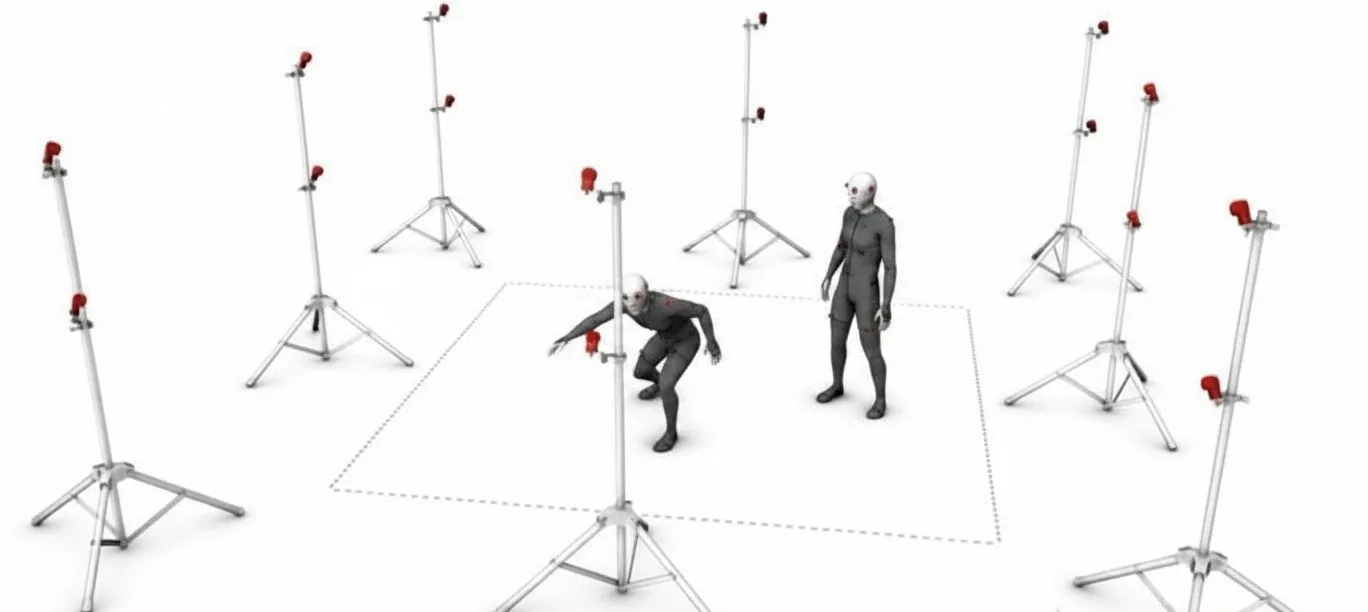
Motion tracking is generally handled by accessories, since a VR headset itself is primarily a display. Implementations vary by vendor. Oculus Rift uses Touch controllers that include numerous sensors to track hand movement and enable specific interactions. Sony PlayStation VR uses the PS Camera and Move controllers for motion tracking; this is a more mature but comparatively older solution. HTC Vive provides comprehensive tracking via two room-mounted laser base stations that scan laser sensors on the headset and controllers to achieve room-scale tracking.
Eye tracking
Beyond head and motion tracking, some vendors are pursuing eye tracking to enhance realism. For example, FOVE integrates infrared tracking sensors in the headset to follow eye movement. This allows users to shift their gaze without turning their heads, producing a more natural experience. Eye tracking can also enable depth-of-field effects, where gaze focus causes nearby objects to blur while the focal point remains sharp, increasing perceived realism and presence.
Summary
VR technology is still in an early stage of development, and first-generation products leave significant room for improvement. Future headsets are expected to become lighter and more realistic. Wearable full-body motion-tracking systems are another area of potential development. Long term, the technology aims to create increasingly convincing virtual experiences.