ALLPCB


Is collecting iris data dangerous?
Iris recognition is typically used by organizations that require identity verification or identification, such as government agencies, financial institutions, or enterprises. When deployed lawfully and in compliance with regulations, these organizations may collect and use iris data for specific purposes, such as security verification or identity confirmation.
Individuals should understand and consider the purpose of data use, privacy protections, and data storage and sharing policies before participating in an iris recognition system or providing iris data. You can review the relevant organization’s privacy policy and data protection measures and make a decision based on your needs and risk assessment.
Overall, iris recognition itself is not inherently dangerous, but privacy and security protections must be addressed during use to ensure lawful and appropriate data handling.
How iris recognition works
Iris recognition is a biometric technique that analyzes and compares the iris texture of the eye for authentication or identification. The process typically includes the following steps:
Iris image capture: First, specialized iris imaging devices, such as iris cameras, capture images of the eye. These images are usually captured using infrared light, because the iris has better distinguishable features under infrared illumination.
Iris feature extraction: The captured iris images undergo preprocessing steps, including noise removal and contrast enhancement. Image processing algorithms are then used to extract the iris feature information, which mainly includes texture details, texture distribution, and pattern curves.
Iris feature matching: The extracted iris features are compared with reference iris features stored in a database. Matching typically uses pattern-matching methods, such as similarity metrics or feature-matching algorithms. Similarity or distance metrics determine how closely the input iris features match known identities.
Authentication or identification: Finally, the system determines which identity in the database the input iris features belong to based on the matching result. For authentication, the system confirms whether the input matches a specified identity; for identification, the system searches the database and returns the most similar identity information.
The main advantages of iris recognition are the uniqueness and stability of iris texture. Each person’s iris image is unique and remains relatively stable with age, which enables iris recognition to achieve high accuracy, strong security, and low false match rates. This makes it suitable for applications that require highly reliable identity verification.
Iris recognition vs face recognition
Iris recognition and face recognition are common biometric technologies, each with advantages and appropriate use cases.
Iris recognition: The iris is the colored ring around the pupil, and each person’s iris texture is unique and stable. Iris recognition analyzes and compares iris images for authentication or identification, offering high accuracy, strong security, and low false match rates. Iris recognition performs well in anti-spoofing, border security, and other scenarios with high security requirements.
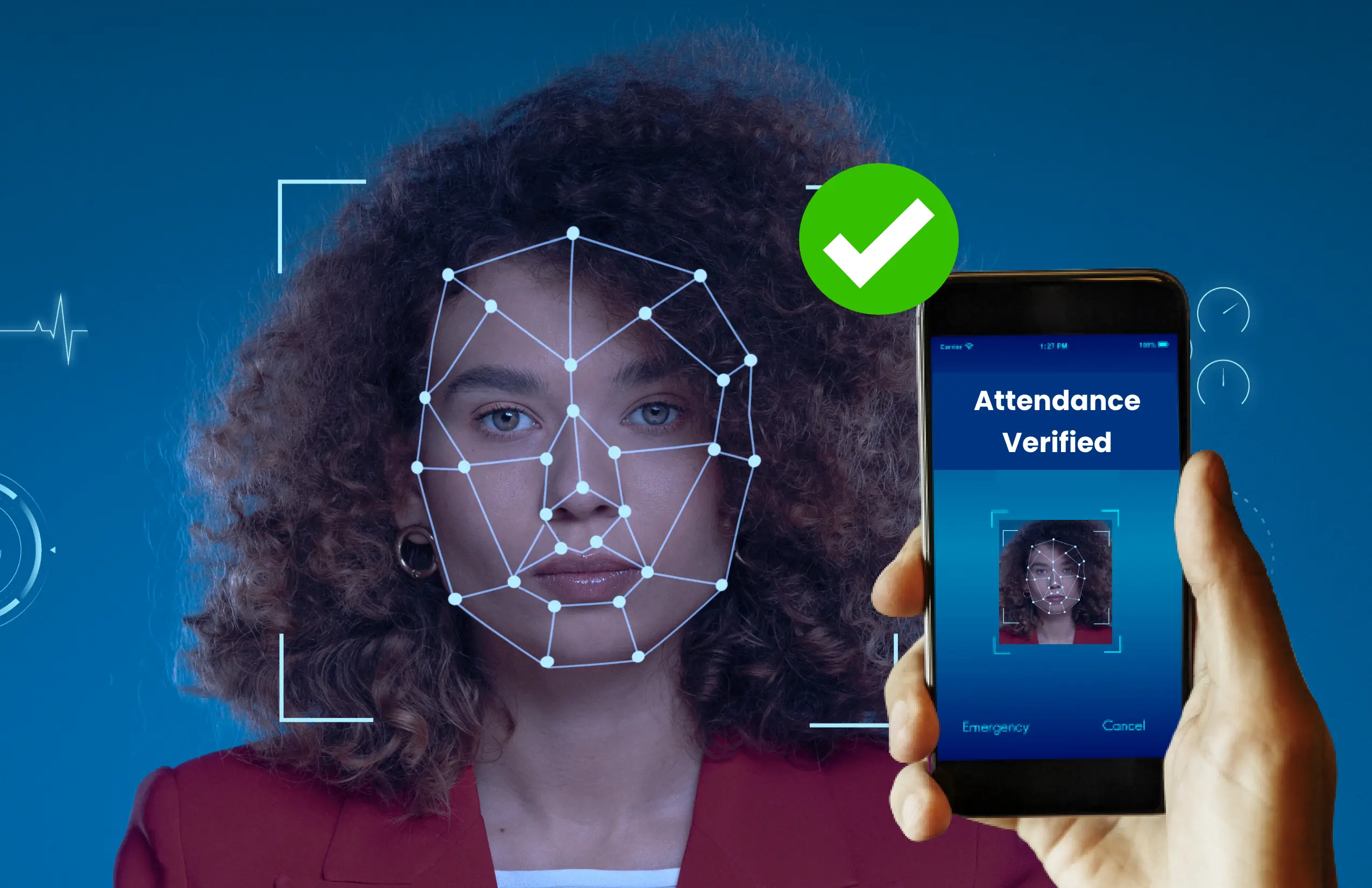
Face recognition: Face recognition captures and analyzes facial images using cameras. The process usually includes face detection, feature extraction, and pattern matching. Face recognition is contactless, convenient, and widely applicable, and it can scale to large populations. It is commonly used for access control, phone unlock, and identity verification against documents.
Choosing between iris recognition and face recognition depends on specific needs and constraints. If higher accuracy and security are required and if device and lighting conditions can be controlled, iris recognition may be more suitable. If a fast, convenient verification method that adapts to varied environments is needed, face recognition may be more appropriate.
In any case, both technologies require attention to privacy protection and data security during deployment, and they should comply with applicable laws and standards.