ALLPCB


Introduction
Building electronic projects as a hobbyist often involves experimenting with power supplies, motors, LEDs, and microcontrollers. One wrong connection or component failure can lead to overcurrent conditions that damage parts or even start a fire. Circuit protection devices like fuses and circuit breakers act as the first line of defense, interrupting excessive current flow to keep your workbench safe. This electronic safety guide explores fuse types, circuit breaker types, and best practices for overcurrent protection and short circuit protection. By understanding these essentials, you can build more reliable circuits without constant worry. Whether you are powering an Arduino setup or a custom robot, proper protection makes all the difference.
Overcurrent occurs when too much current flows through a circuit, often from overloads, shorts, or faulty components. In hobby projects, this might happen during motor startups, battery shorts, or accidental wiring errors. Without protection, heat buildup can melt wires, burn PCBs, or ignite insulation, posing real safety risks. Short circuit protection is crucial too, as these events deliver massive currents instantly, overwhelming sensitive electronics. Implementing circuit protection extends component life, reduces repair time, and complies with basic safety principles. For hobbyists, it turns risky prototypes into dependable builds.
Fuses and circuit breakers provide reliable overcurrent protection by breaking the circuit before damage spreads. They allow you to focus on creativity rather than firefighting. Standards like IEC 60127 series define requirements for miniature fuses used in low-voltage electronics, ensuring consistent performance. Neglecting this step leaves your projects vulnerable, especially with higher-power additions like relays or amplifiers.
Why Circuit Protection Matters for Hobbyists
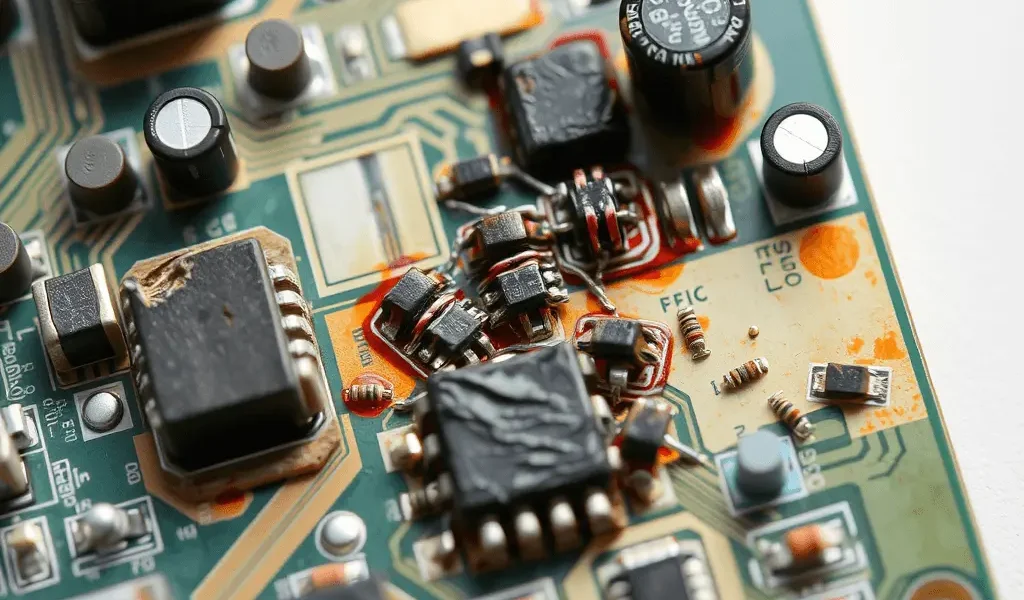
Overcurrent occurs when too much current flows through a circuit, often from overloads, shorts, or faulty components. In hobby projects, this might happen during motor startups, battery shorts, or accidental wiring errors. Without protection, heat buildup can melt wires, burn PCBs, or ignite insulation, posing real safety risks. Short circuit protection is crucial too, as these events deliver massive currents instantly, overwhelming sensitive electronics. Implementing circuit protection extends component life, reduces repair time, and complies with basic safety principles. For hobbyists, it turns risky prototypes into dependable builds.
Fuses and circuit breakers provide reliable overcurrent protection by breaking the circuit before damage spreads. They allow you to focus on creativity rather than firefighting. Standards like IEC 60127 series define requirements for miniature fuses used in low-voltage electronics, ensuring consistent performance. Neglecting this step leaves your projects vulnerable, especially with higher-power additions like relays or amplifiers.
How Fuses Provide Overcurrent Protection
Fuses work by melting an internal element when current exceeds a safe level, opening the circuit permanently. This simple mechanism offers fast short circuit protection in electronic circuits. The fuse rating, marked in amps and volts, indicates the threshold where it blows. For hobbyists, selecting the right fuse prevents nuisance tripping while safeguarding against faults.
Fuse construction varies: a thin wire or strip inside glass, ceramic, or plastic housing connects terminals. When overcurrent heats the element beyond its melting point, typically lead or alloy, it breaks the path. Voltage rating ensures arc suppression during interruption, critical for DC or AC hobby supplies.
Common Fuse Types for Electronic Projects
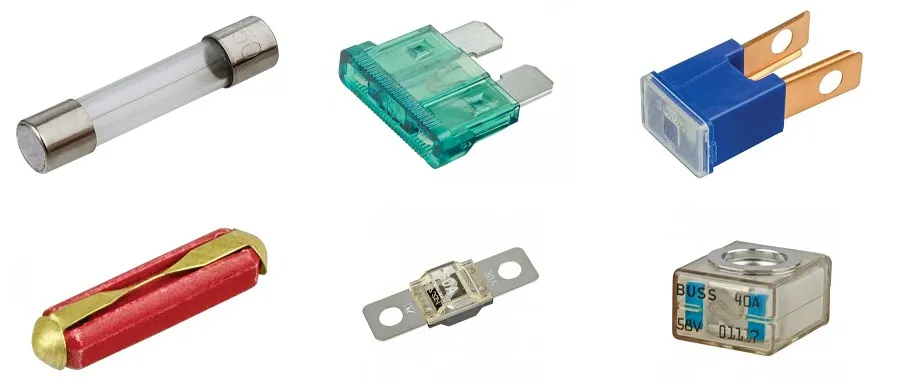
Fuse types cater to different needs in hobby electronics. Fast-acting fuses respond quickly to surges, ideal for protecting sensitive ICs from short circuits. They blow within milliseconds, minimizing damage in digital circuits or power rails. Slow-blow or time-delay fuses tolerate inrush currents, like those from capacitors charging or motors starting, without false trips.
Resettable fuses, often polymeric positive temperature coefficient (PPTC) devices, increase resistance when hot and reset when cooled. These suit battery-powered gadgets where replacement is inconvenient. Blade fuses, common in automotive and DC projects, come in mini and standard sizes for easy panel mounting. Sub-miniature fuses fit tight spaces on custom PCBs.
Standards such as IEC 60127-1 outline general requirements and tests for these miniature fuses, covering cartridge and sub-miniature variants. Axial-lead fuses solder directly into prototypes, while surface-mount types integrate into dense boards.
Circuit Breakers: Resettable Overcurrent Protection
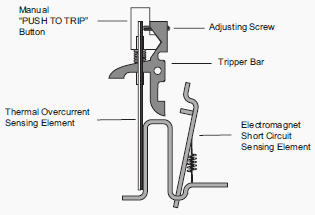
Circuit breakers interrupt current via mechanical or electronic means and can reset after cooling or fault clearance. Unlike fuses, they avoid replacement, making them practical for repeated testing in hobby setups. They trip on overloads or shorts, protecting wiring and loads similarly but with reusability.
Thermal circuit breakers use a bimetallic strip that bends under heat from excess current, unlatching contacts. Magnetic types employ a solenoid coil that pulls a plunger during rapid surges, perfect for short circuit protection. Combined thermal-magnetic breakers handle both sustained overloads and instant faults.
For low-voltage electronics, miniature circuit breakers (MCBs) fit DIN rails in power distribution panels. Electronic breakers monitor current digitally for precise thresholds. IEC 60947-2 specifies performance for low-voltage circuit breakers, guiding selection for industrial or hobby power systems.
Key Differences Between Fuses and Circuit Breakers
Fuses excel in cost and speed for one-time protection, blowing cleanly without arcing in DC circuits. Circuit breakers offer convenience with manual or auto-reset, though they may need time to cool. Fuses have no moving parts, ensuring reliability in vibration-prone projects like drones.
Breakers provide visual trip indication and remote reset options, useful in enclosed setups. However, fuses are smaller and cheaper for point-of-load protection near chips. Choose based on reset needs: fuses for disposable prototypes, breakers for permanent installations.
Selecting the Right Protection Device
Match the device's voltage rating to your supply, ensuring it exceeds circuit voltage for safe interruption. Current rating should handle normal load with margin, typically 125-150% of expected max, to avoid premature activation. Consider breaking capacity: higher for inductive loads like motors.
For DC hobby circuits under 30V, fast fuses protect micros; slow-blow for power supplies. Test in-circuit with multimeters, monitoring voltage drop under load. J-STD-001 guidelines for soldering ensure reliable connections when mounting fuses on PCBs.
Environment matters: sealed types for humid workshops, high-rupture for high-fault potentials. Prototype with holders for easy swaps.
Best Practices for Installation and Use
Place protection closest to the power source entry, guarding the entire circuit. Use holders or clips for quick replacement, avoiding soldered fuses in test boards. Parallel fuses do not share current evenly; series wiring is standard.
Label ratings clearly and keep spares organized by amp value. In multi-rail systems, dedicate protection per branch. For batteries, add reverse polarity diodes alongside fuses.
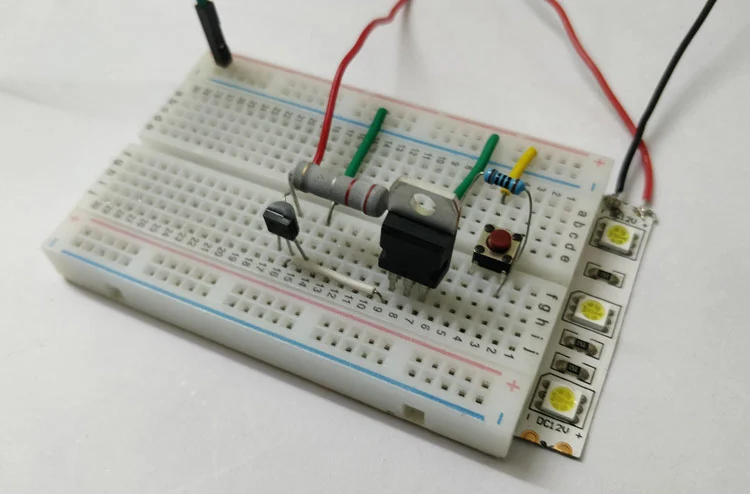
Integrate into breadboards with inline holders or PCB footprints. Monitor with current shunts for logging. Regular inspection prevents degraded devices from failing open.
Troubleshooting Protection Device Issues
If a fuse blows repeatedly, hunt for shorts with continuity checks or visual burns. Measure resistance across loads; high draw signals faults. Slow-blow fuses misapplied to sensitive circuits trip too late.
Breakers that fail to reset may have welded contacts; replace promptly. Nuisance trips point to underrated devices or inrush spikes, solvable with higher time-delay types. Log currents during operation to refine choices.
Overheating holders indicate poor connections; clean terminals. In complex projects, oscilloscope transients reveal hidden surges.
Conclusion
Mastering fuses and circuit breakers elevates your hobby projects with robust circuit protection. Fuse types like fast-acting and resettable handle diverse overcurrent scenarios, while circuit breaker types offer flexibility for testing. Prioritize proper selection, installation, and troubleshooting for safe, reliable electronics. This electronic safety guide equips you to prevent shorts and overloads effectively. Build confidently, knowing your circuits are protected.
FAQs
Q1: What is the main difference between fuses and circuit breakers in circuit protection?
A1: Fuses melt permanently to break overcurrent flow, requiring replacement, while circuit breakers trip mechanically or electronically and reset after cooling. Fuses provide faster short circuit protection for sensitive electronics, suiting hobby prototypes. Breakers excel in reusable setups like power panels. Choose based on convenience and application needs.
Q2: Which fuse types are best for overcurrent protection in Arduino projects?
A2: Fast-acting or resettable PTC fuses work well for Arduino due to low inrush and sensitivity to shorts. Rate them about 1.5 times the max draw, like 500mA for USB-powered boards. Place inline on 5V rails. They safeguard against wiring errors common in hobby builds.
Q3: How do I select circuit breaker types for low-voltage DC electronics?
A3: Opt for thermal or thermal-magnetic miniature breakers rated above normal current but below wire ampacity. Ensure DC voltage compatibility, as AC types arc differently. They suit motor drivers or battery systems needing resets. Follow ratings to avoid fires.
Q4: What are common best practices for short circuit protection in hobby circuits?
A4: Install fuses or breakers at power inputs, use holders for swaps, and match ratings precisely. Combine with diodes for polarity safety. Test loads separately. This prevents component loss and ensures safe experimentation.
References
IEC 60127-1:2023 — Miniature fuses - Part 1: General requirements. IEC, 2023
IEC 60947-2 — Low-voltage switchgear and controlgear - Part 2: Circuit-breakers. IEC
IEC 60269 — Low-voltage fuses. IEC