ALLPCB


How face recognition works
Face recognition is a biometric technology that identifies a person by analyzing and comparing facial images or video. The basic working principle includes the following steps:
Face detection
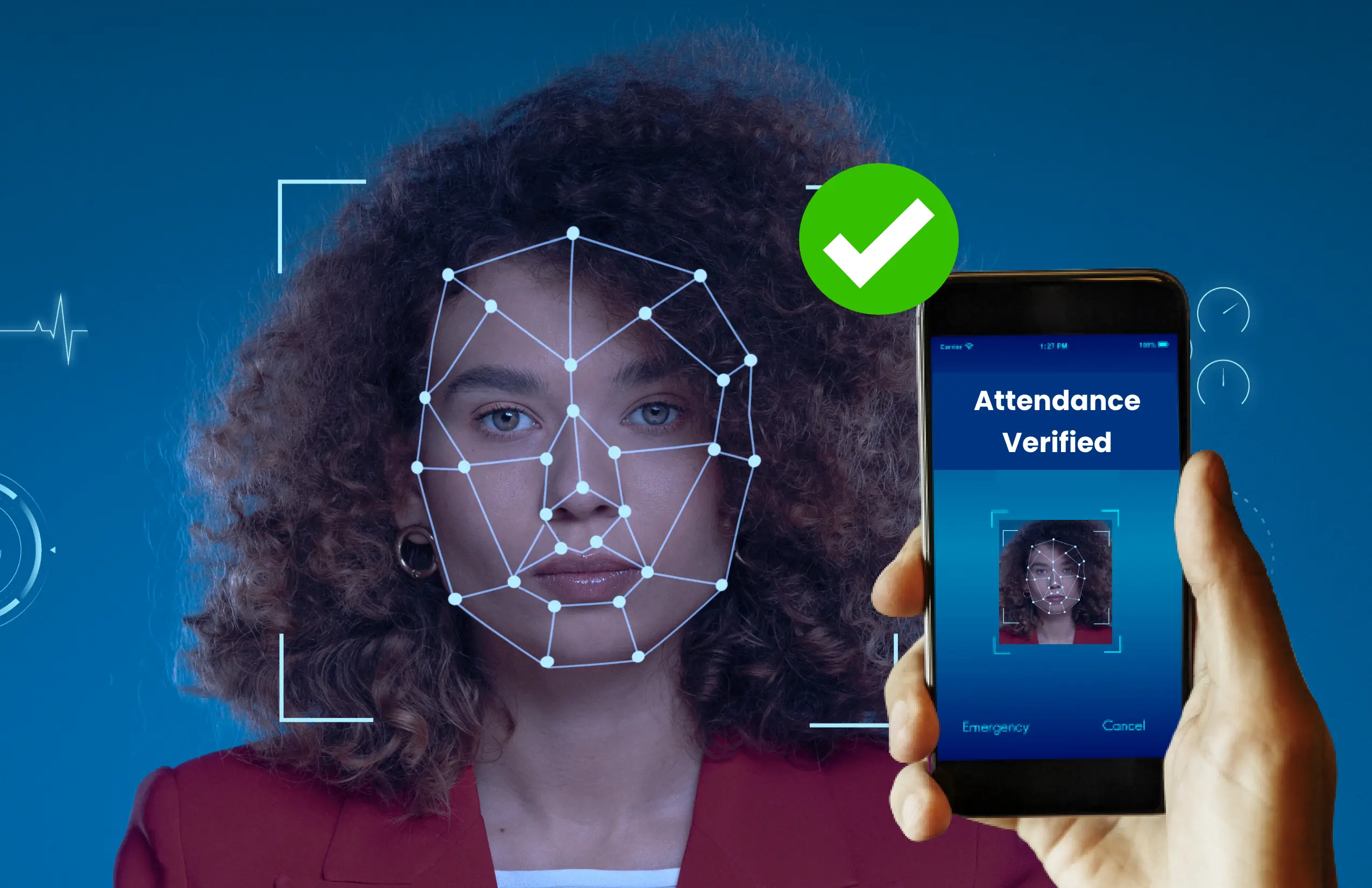
The system uses computer vision algorithms to detect face regions in an image or video. Methods can include landmark localization, edge detection, and skin-color analysis.
Feature extraction
The system extracts salient facial features from the detected face image. Features may include facial contours, eye positions, nose shape, and mouth characteristics. Feature extraction methods typically use machine learning algorithms such as principal component analysis (PCA), linear discriminant analysis (LDA), or deep learning to obtain a compact facial representation.
Feature matching and comparison
During enrollment, the extracted facial features are stored in a database as templates. During recognition, the features extracted from a query face are compared to the templates in the database using similarity metrics such as Euclidean distance or cosine similarity. The matching algorithm determines which stored template is most similar to the query face.
Decision and output
Based on the matching results, the system decides and outputs the recognition result. If a detected face matches a template in the database with a score above a predefined threshold, the system reports a successful recognition and outputs the associated identity. Otherwise, the system reports an unknown or unrecognized identity.
The accuracy and reliability of face recognition are affected by factors such as image quality, lighting conditions, pose variation, and occlusion. Protecting user privacy and securing facial data are also important considerations when deploying face recognition systems.
Advantages and disadvantages
The following lists some of the main advantages and disadvantages of face recognition technology.
Advantages
- Improved security: Face recognition can be used for authentication and access control to reduce impersonation, fraud, and unauthorized entry in applications such as border control, banking, and enterprise access.
- Convenience: Compared with traditional authentication methods such as passwords or cards, face recognition does not require the user to carry items or remember credentials, making the process faster and more convenient.
- Broad applicability: Face recognition is used across many domains, including public safety monitoring, mobile device unlocking, payment verification, and attendance management, enabling contactless and automated user experiences.
Disadvantages
- Privacy concerns: Face recognition involves collecting and using personal biometric data, which can raise concerns about privacy. Improper protection or unauthorized use of facial data can lead to information leakage and misuse.
- False matches and errors: In challenging conditions such as varying lighting, pose changes, or occlusion, face recognition can produce false matches or fail to recognize legitimate users.
- Bias and fairness: Because recognition decisions are based on feature matching, algorithmic bias or unrepresentative training datasets can cause higher error rates for certain groups, potentially leading to unfair treatment.
Reasonable use of face recognition requires adherence to privacy protection principles and appropriate regulatory oversight to ensure deployment within legal frameworks while addressing potential risks and responsibilities.