ALLPCB


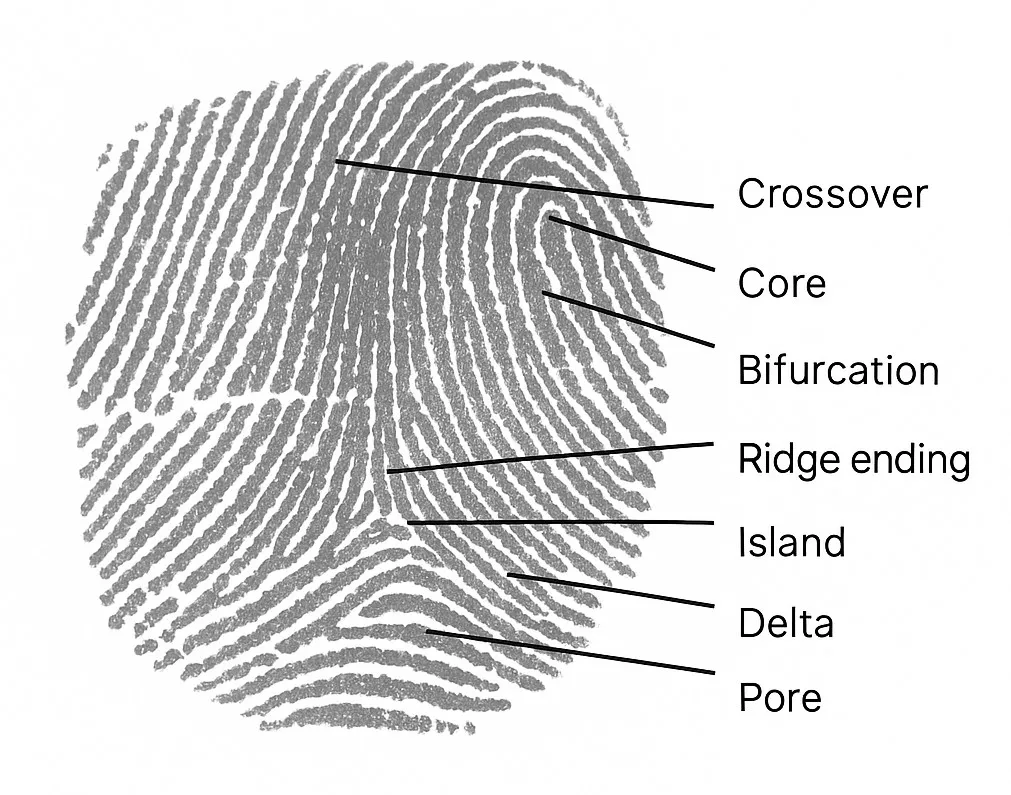
Each person's skin ridge patterns, minutiae, and intersections are unique and stable, so fingerprint recognition maps an individual's identity to their fingerprint and verifies identity by comparing with stored fingerprint templates. Implementation methods are mainly capacitive, optical, and ultrasonic fingerprint sensing.
Capacitive Fingerprint Recognition
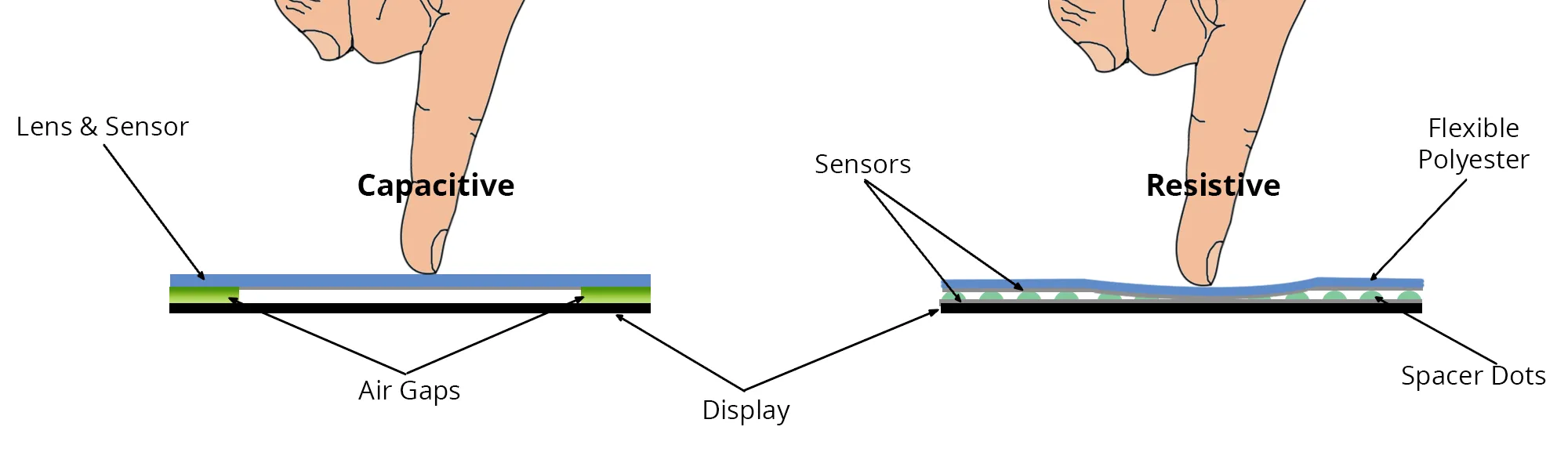
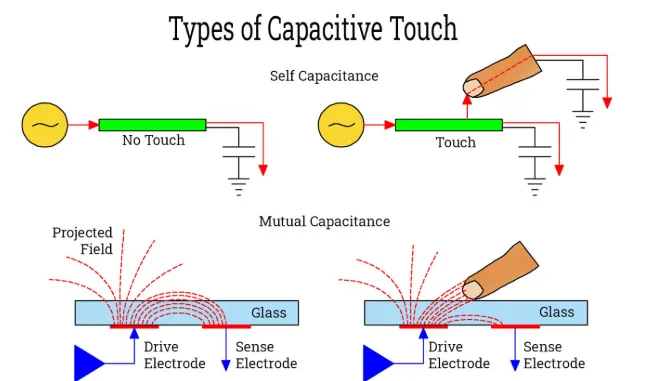
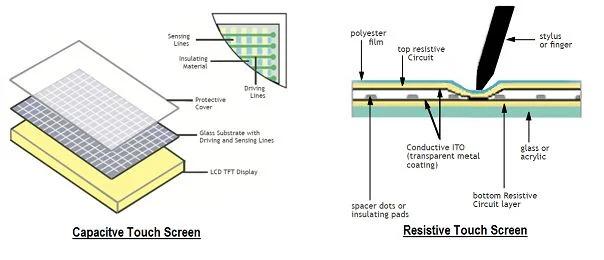
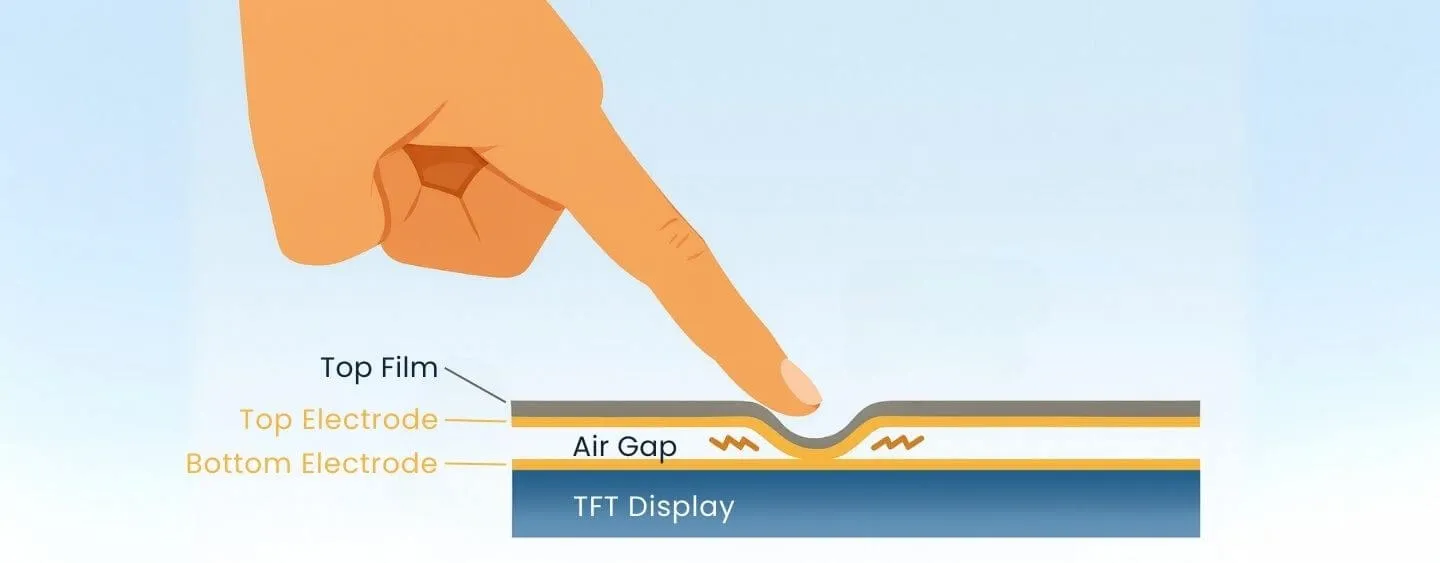
Capacitive fingerprint sensors integrate a matrix of capacitive sensing points into a sensor. When a finger presses the sensor surface, the ridge and valley structure of the fingerprint produces different charge conduction at peaks and troughs, so the capacitive array converts the image signal into an electrical signal. Note that the outermost layer of the skin is not conductive; conduction comes from the subsurface layers, so capacitive sensing tolerates some surface contamination better than optical sensing.
Optical Fingerprint Recognition
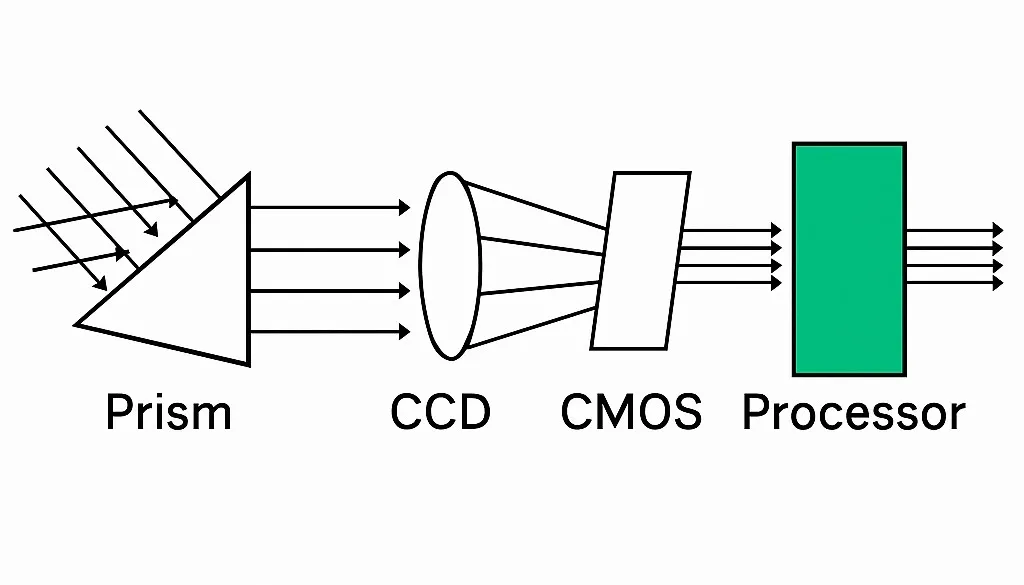
Optical fingerprint sensors use light refraction and reflection. When a finger is placed on an optical prism, an integrated light source illuminates the finger; light rays are refracted at different angles by the ridge-and-valley surface, producing varying light and dark patterns. The returned light is focused on a CMOS sensor to form an image, which is then analyzed and compared by a processor.
Optical solutions are low cost and very durable, and they are widely used in access control terminals. However, they have clear drawbacks: they consume more power, are less effective on dirty or wet fingers due to reliance on pure pattern imaging, and they have weaker anti-spoofing capability against fake patterns.
Ultrasonic Fingerprint Recognition
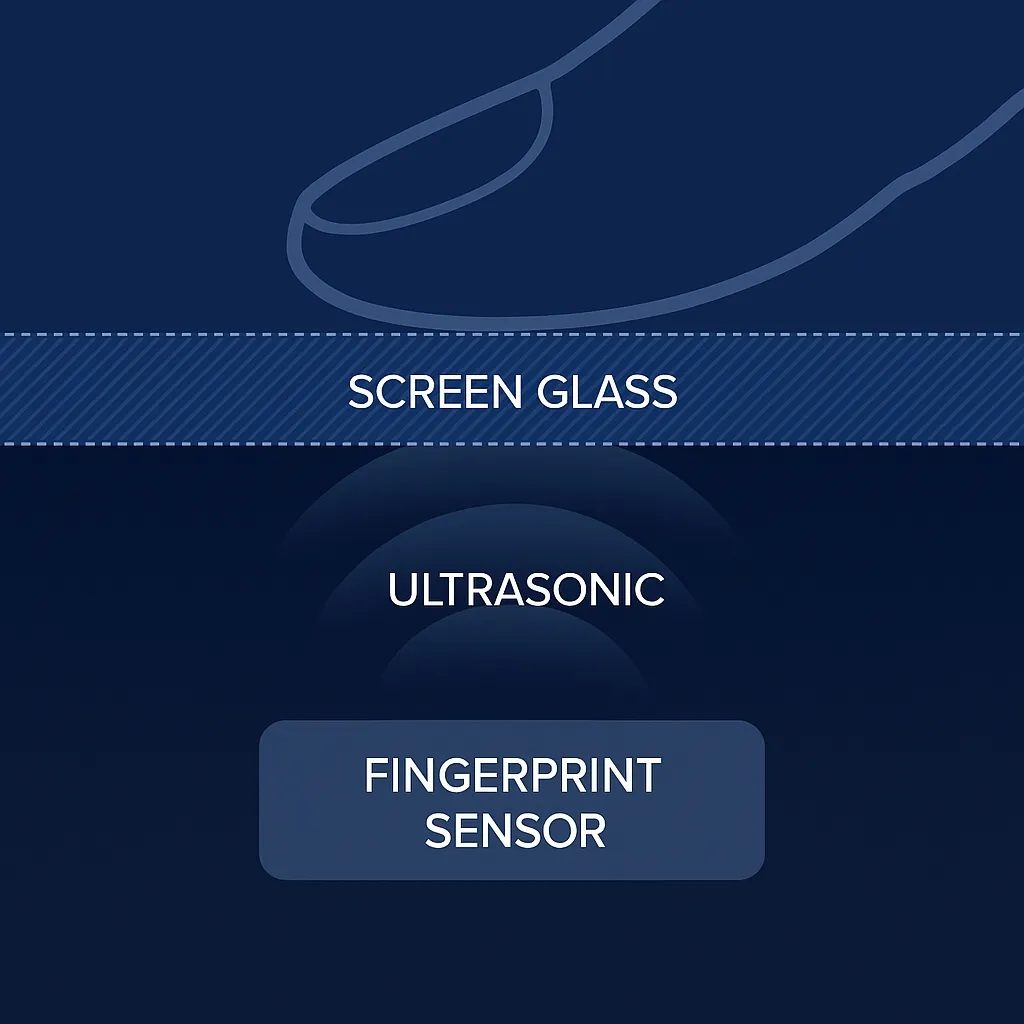
Ultrasonic fingerprint sensors use a piezoelectric transducer to emit ultrasonic waves that penetrate the epidermis. When the ultrasonic waves encounter interfaces between two media, reflections occur. The piezoelectric element measures the time and amplitude of the reflected waves to generate a corresponding grayscale image for image processing. Finger ridge spacing is on the order of hundreds of micrometers, while ultrasonic sensors can resolve tens of micrometers, so their recognition capability is strong. However, like optical sensors, image-based ultrasonic recognition can be defeated by 3D-printed resin fingerprint molds, so anti-spoofing remains a concern.
Comparison and Practical Considerations
All three approaches follow the same application logic: fingerprint image acquisition, processing, feature extraction, and matching. For contaminated fingers, such as sweaty or wet fingers, ultrasonic imaging is the most robust. In terms of anti-spoofing and power consumption, capacitive sensors outperform the other two approaches, but if a 3D-printed fingerprint film is treated to be conductive, it can still perform spoofing attacks against capacitive sensors.