ALLPCB


Overview
A smart grid is an electrical power system capable of data acquisition, analysis, and remote control. It applies modern computing, communication, sensing, and control technologies to enable more intelligent management and expansion of power systems, improving grid efficiency, reliability, and safety.
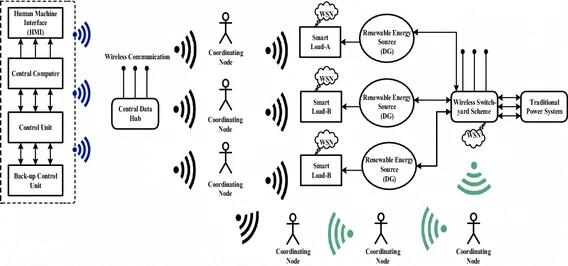
The core of a smart grid is the real-time acquisition of information about power sources and load demand, and the distribution and execution of control decisions. A smart grid encompasses intelligent sensors, coordinated control, and information communication.
A smart grid is composed of multiple subsystems and is therefore scalable. Under appropriate conditions, the grid can expand or contract according to the status of its subsystems.
Basic Structure
The smart grid consists of multiple components including energy generation, transmission, consumption, control centers, communication networks, and energy storage. Its basic elements include:
- Energy generation: The smart grid integrates multiple renewable energy technologies such as solar, wind, hydro, and geothermal, and employs devices like solar panels, wind turbines, hydroelectric generators, and fuel cells to produce power at varying output levels.
- Energy transmission: Energy transmission in a smart grid can follow distributed or centralized models. Distributed substations and distribution facilities support staged delivery, while centralized substations transmit power to large consumption areas.
- Energy storage: The grid uses a variety of storage devices and technologies, including battery systems, supercapacitors, and deeply cooled electronic storage.
- Intelligent control strategies: Many operational decisions and control strategies are implemented via software algorithms. These algorithms support load regulation, electricity price adjustment, energy forecasting, and optimization.
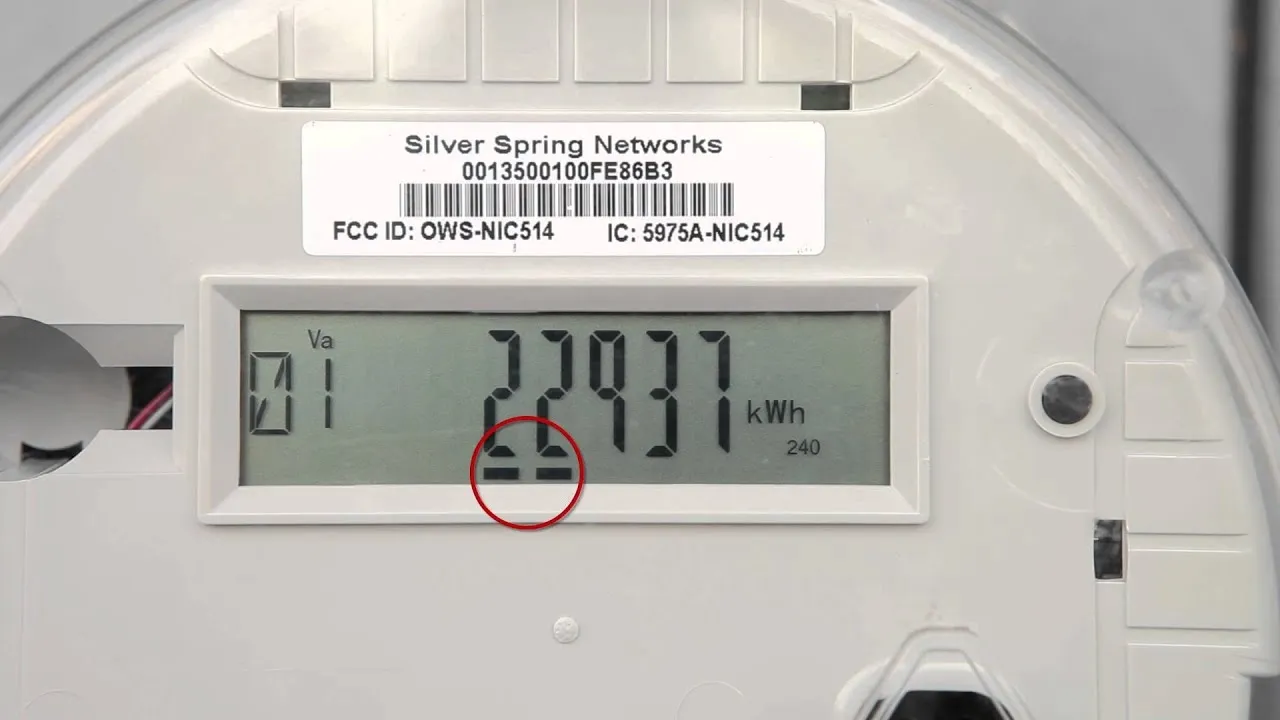
- Communication network: High-speed communication networks provide data exchange and remote monitoring services, including remote power monitoring, energy transaction data, and equipment maintenance.
- Energy consumption: Consumption is the final stage and includes residential, commercial, and government uses. These scenarios rely on intelligent devices to monitor and adjust power usage, enabling coordinated energy and environmental benefits.
Energy Conversion Principles
Energy conversion in a smart grid involves three main aspects: generation, transmission, and consumption. Details for each are as follows.
- Generation: The grid employs multiple generation technologies such as solar, wind, hydro, and fuel cells to provide sustainable, low-carbon power. These sources convert primary energy into electricity in different ways: photovoltaic panels convert light into electricity, wind turbines convert wind power into mechanical energy to drive generators, and hydro systems use turbines to produce electricity. Generated electricity is then fed into the smart grid.
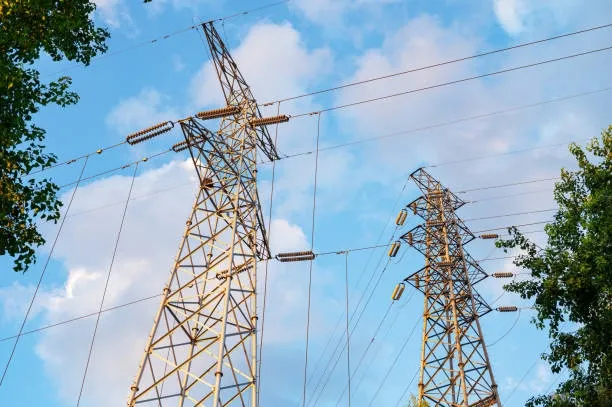
- Transmission: Energy transmission is carried out over various transmission networks. In addition to traditional high-voltage lines, modern technologies such as inverters, distributed energy resources, and HVDC transmission are applied. These technologies make transmission more efficient, reliable, and flexible, and support point-to-point energy exchange and usage.
- Consumption: Energy consumption in the smart grid includes households, commercial buildings, industrial manufacturing, and transportation. These consumers draw power from the grid and use intelligent control systems to manage and adjust demand. Through smart control and management, consumption can be made more efficient to save energy and reduce carbon emissions.
Optimization Methods
Key methods for optimizing a smart grid include:
- Energy-saving optimization: By analyzing load patterns across different periods, the grid can reduce peak average load, improving energy efficiency. Optimization also increases resource utilization, reduces transmission losses, and improves coordination between supply-side and market mechanisms for more efficient energy management.
- Stability optimization: Continuous monitoring and analysis enable early detection of potential instability, allowing automated adjustments to maintain stable operation. The grid can rapidly respond to voltage fluctuations, current overloads, and error amplification, and minimize downtime through fast fault mitigation.
- Security optimization: Data protection, threat prevention, and secure interface control provide safeguards for the power system. The grid can also predict anomalies and develop corresponding response strategies.
- Reliability optimization: Using diagnostic matching and optimal control, the grid can predict fault probabilities and apply measures such as equipment inspection and redundancy to improve reliability and operational efficiency.
- Economic optimization: Based on market demand and load conditions, the grid can select an optimal mix of generation resources and allocate power rationally. Optimizing supply and demand structures reduces costs for users while providing sustainable returns for operators.