 ALLPCB


If you're new to the world of printed circuit boards (PCBs) and wondering what PCB surface finish is all about, you've come to the right place. Specifically, if you're curious about ENEPIG—a popular surface finish for PCBs—this guide will break it down for you in simple terms. ENEPIG, which stands for Electroless Nickel Electroless Palladium Immersion Gold, is a type of surface finish that protects the copper on a PCB while ensuring excellent solderability and durability for electronic components. In this beginner-friendly tutorial, we'll explore what ENEPIG is, why it matters, and how it fits into soldering and DIY electronics projects.
Whether you're just starting with electronics or looking to understand PCB manufacturing for your next project, this guide will walk you through the basics of PCB surface finishes with a focus on ENEPIG. Let's dive into the details of this advanced finish, its benefits, and how it can improve the quality of your boards.
What Is PCB Surface Finish and Why Does It Matter?
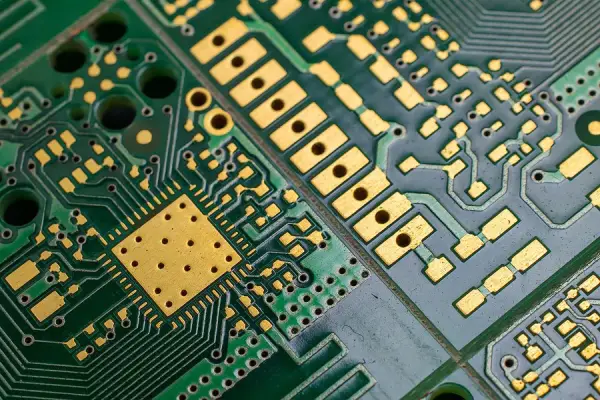
A PCB surface finish is a protective coating applied to the exposed copper traces on a printed circuit board. Without this coating, the copper would oxidize when exposed to air, leading to poor connections and unreliable performance. The surface finish serves multiple purposes: it prevents corrosion, improves solderability (how well components stick to the board), and enhances the overall durability of the PCB.
For beginners in electronics, choosing the right surface finish is a critical decision. It impacts how well your board performs, how long it lasts, and even how easy it is to assemble. With so many options available, from basic finishes to advanced ones like ENEPIG, understanding the differences can help you make informed choices for your DIY electronics projects.
Understanding ENEPIG: Breaking Down the Layers
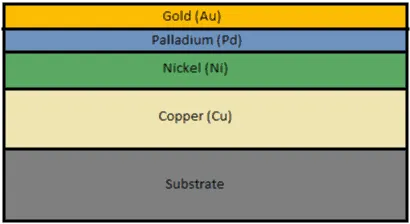
ENEPIG stands for Electroless Nickel Electroless Palladium Immersion Gold. Let's break down what each of these layers means and why they are important for a PCB.
- Electroless Nickel: This is the first layer applied to the copper. It acts as a barrier to prevent the copper from diffusing into other layers and provides a strong foundation for the subsequent coatings. Typically, this layer is about 3-6 micrometers thick.
- Electroless Palladium: The middle layer, palladium, is added to prevent corrosion and improve the bond between the nickel and the final gold layer. This layer is much thinner, usually around 0.05-0.1 micrometers, but it plays a key role in reliability.
- Immersion Gold: The top layer is a thin coating of gold, often just 0.03-0.05 micrometers thick. Gold is excellent for solderability and protects the underlying layers from oxidation. It also ensures good electrical conductivity for component connections.
These three layers work together to make ENEPIG a versatile and reliable surface finish, especially for high-performance electronics. Unlike other finishes that may struggle with issues like "black pad" (a defect causing poor soldering), ENEPIG minimizes such risks, making it a top choice for advanced applications.
Why Choose ENEPIG for Your PCB Projects?
ENEPIG offers several advantages that make it stand out among other PCB surface finishes. If you're a beginner working on DIY electronics or soldering components onto a board, here are some reasons why ENEPIG might be the right choice:
- Excellent Solderability: The gold layer in ENEPIG ensures that solder adheres well to the board, creating strong and reliable joints. This is crucial for assembling components without defects.
- Corrosion Resistance: With multiple protective layers, ENEPIG prevents oxidation and corrosion, extending the shelf life of your PCB. Some studies suggest that ENEPIG-finished boards can remain solderable for over 12 months under proper storage conditions.
- Compatibility with Lead-Free Soldering: As the electronics industry moves toward environmentally friendly practices, lead-free soldering has become the standard. ENEPIG is fully compliant with these requirements, making it a future-proof option.
- Versatility for High-Tech Applications: ENEPIG is often used in industries like aerospace, medical devices, and telecommunications because it supports fine-pitch components and high-frequency signals. For instance, it can handle signal speeds exceeding 10 GHz without significant loss, which is vital for modern electronics.
- Wire Bonding Capability: Beyond soldering, ENEPIG is also suitable for wire bonding, a technique used in advanced circuits to connect chips directly to the board.
While ENEPIG may come at a higher cost compared to simpler finishes like HASL (Hot Air Solder Leveling), its benefits often outweigh the price, especially for projects where reliability is non-negotiable.
How ENEPIG Compares to Other PCB Surface Finishes
As a beginner, you might wonder how ENEPIG stacks up against other common PCB surface finishes. Here's a quick comparison to help you understand its place in the spectrum of options:
- HASL (Hot Air Solder Leveling): This is one of the most affordable finishes, using a layer of tin-lead or lead-free solder. While it's good for basic projects, it lacks the precision and durability of ENEPIG, especially for fine-pitch components.
- ENIG (Electroless Nickel Immersion Gold): Similar to ENEPIG but without the palladium layer, ENIG is widely used for its solderability and flat surface. However, it can sometimes suffer from black pad issues, which ENEPIG avoids thanks to the palladium layer.
- OSP (Organic Solderability Preservative): OSP is a low-cost, environmentally friendly finish, but it has a shorter shelf life (typically 6-12 months) and isn't as robust as ENEPIG for complex designs.
ENEPIG shines when you need a balance of reliability, performance, and compatibility with modern soldering techniques. For hobbyists and DIY enthusiasts, it might be overkill for simple projects, but for anything requiring precision and longevity, it's a solid pick.
ENEPIG in Soldering: What Beginners Need to Know
Soldering is a fundamental skill in electronics, and the type of surface finish on your PCB can significantly impact the process. If you're new to soldering, ENEPIG offers a forgiving and reliable surface to work with. Here's why it matters and how to approach soldering with an ENEPIG-finished board:
- Smooth and Flat Surface: The gold layer in ENEPIG creates a flat surface, which is ideal for placing components accurately. This is especially helpful when working with small, surface-mount devices (SMDs) that require precise alignment.
- Strong Solder Joints: The combination of nickel, palladium, and gold ensures that solder bonds effectively to the board, reducing the risk of cold joints or weak connections. Tests have shown that ENEPIG can achieve solder joint strengths exceeding 1.5 kgf for standard components.
- Tips for Soldering: Use a soldering iron with a temperature of around 300-350°C for lead-free solder, as ENEPIG is compatible with higher temperatures. Apply flux to clean the surface before soldering, even though ENEPIG resists oxidation well. Work quickly to avoid overheating the gold layer, which could degrade its properties.
For DIY electronics enthusiasts, practicing soldering on an ENEPIG-finished board can boost your confidence, as the finish minimizes common issues like poor wetting (when solder doesn't spread properly).
Is ENEPIG Right for Your DIY Electronics Project?
If you're dabbling in DIY electronics, you might be wondering if ENEPIG is necessary for your projects. The answer depends on the complexity and goals of your build. Here are some scenarios where ENEPIG makes sense:
- Learning Advanced Soldering: If you're moving beyond basic through-hole components to surface-mount technology (SMT), ENEPIG's flat surface and reliable solderability can make the learning curve easier.
- Building High-Reliability Devices: For projects like custom IoT devices or wearables that need to last, ENEPIG's corrosion resistance ensures your board won't fail prematurely.
- Experimenting with High-Frequency Designs: If you're exploring radio frequency (RF) circuits or high-speed data projects, ENEPIG supports signal integrity better than many cheaper finishes, with minimal loss at frequencies up to 20 GHz.
For very basic projects or prototypes where cost is a concern, you might opt for a simpler finish. However, investing in ENEPIG can save you headaches down the line if quality is a priority.
How to Specify ENEPIG When Ordering a PCB
As a beginner, ordering a PCB with the right surface finish might seem intimidating, but it's straightforward once you know what to look for. When working with a PCB manufacturer, follow these steps to ensure you get an ENEPIG finish:
- Check the Options: Most PCB ordering platforms will have a dropdown menu or checkbox for surface finish. Look for ENEPIG or ask customer support if it's available.
- Understand the Cost: ENEPIG is typically more expensive than basic finishes, with costs potentially adding 10-20% to the total price of your board, depending on the manufacturer and order volume.
- Specify Your Needs: If your project involves lead-free soldering or high-frequency signals, mention this to ensure the ENEPIG process meets industry standards like IPC-4556, which defines the thickness and quality of the layers.
By clearly communicating your requirements, you can ensure that the finished PCB meets your expectations for performance and reliability.
Common Myths About ENEPIG Debunked
As a beginner, you might come across misconceptions about ENEPIG that could influence your decision. Let's clear up a few common myths:
- Myth 1: ENEPIG Is Only for Professionals. While it's often used in high-end applications, ENEPIG is accessible to hobbyists and DIY enthusiasts who want reliable results for their projects.
- Myth 2: ENEPIG Is Too Expensive. Yes, it costs more than basic finishes, but the added durability and performance can save money in the long run by reducing failures and rework.
- Myth 3: ENEPIG Is Hard to Solder. On the contrary, its gold layer makes soldering easier and more consistent compared to some other finishes that degrade over time.
Understanding the truth behind these myths can help you make a confident choice for your next PCB project.
Conclusion: Start Your PCB Journey with ENEPIG
Navigating the world of PCB surface finishes as a beginner can feel overwhelming, but ENEPIG offers a reliable and versatile option for anyone looking to build high-quality electronics. With its excellent solderability, corrosion resistance, and compatibility with modern soldering techniques, it's a finish that can grow with you as your skills advance in DIY electronics and soldering.
Whether you're assembling a simple circuit or experimenting with complex designs, ENEPIG provides a solid foundation for success. By understanding its benefits and how it fits into the PCB manufacturing process, you're better equipped to make informed decisions for your projects. So, take the leap and explore the possibilities with this advanced surface finish—your electronics will thank you for it!





