ALLPCB


Overview
When designing prototypes or using development boards, electromagnetic interference (EMI) is often overlooked. However, EMI is an important consideration in real-world electronics and systems, and engineers must ensure circuits operate correctly at expected EMI levels and do not generate excessive EMI.
I tend to associate EMI with wireless interference, which is understandable given the name: electromagnetic interference naturally evokes electromagnetic radiation. But, as the title suggests, radiated EMI is only one form of EMI.
What is radiated EMI?
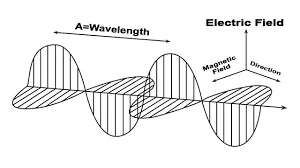
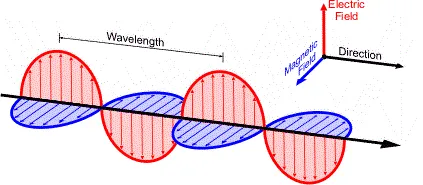
PCBs are full of time-varying signals that can radiate into free space whether you want them to or not. Every conductor can act as an antenna capable of transmitting and receiving signals.
When you are implementing RF communication, wireless transmission and reception are desirable. In most other cases, you are generating or picking up unwanted noise. When that noise affects individual circuits or components, it is categorized as radiated EMI.
Circuits both emit and receive radiated EMI, and the device's operating environment determines which is the greater concern for the engineer. For example, if you are designing a high-precision sensor board that must operate near a brushed DC motor or a wireless power transmitter, mitigating received EMI will be important. If you are developing embedded devices that must meet FCC emission requirements, you may need to focus on reducing emitted EMI.
What is conducted EMI?
We are accustomed to transmitting electrical signals via conductors such as wires and PCB traces, so it is unsurprising that interference can travel along conductive paths rather than through the air. This is known as conducted EMI.
You might wonder how conducted EMI differs from general circuit noise. They are essentially the same; the term conducted EMI is used to emphasize that the noise is transmitted via conductive paths.
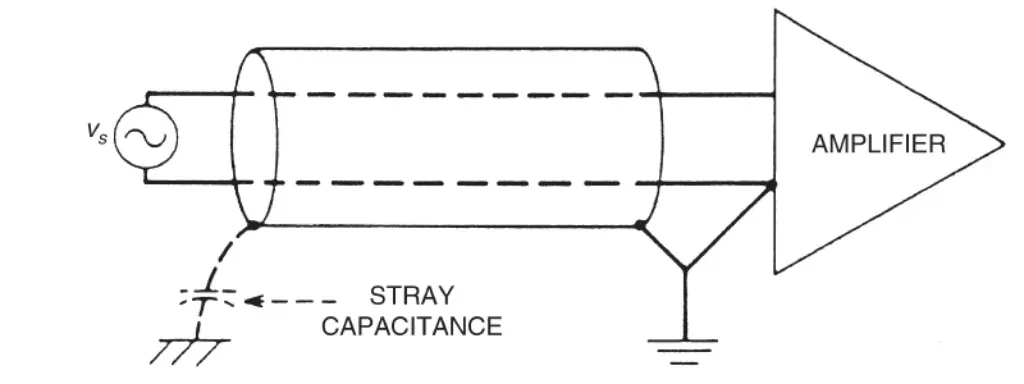
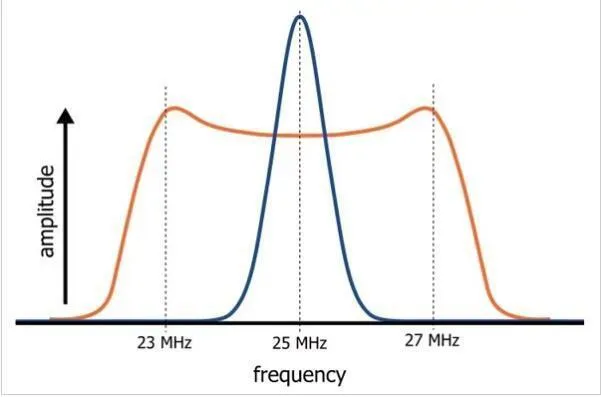
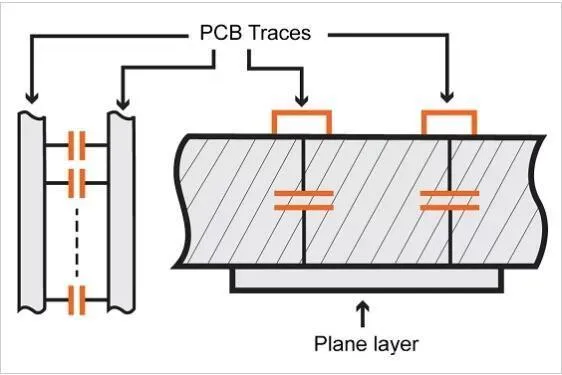
Conducted EMI refers to noise generated by a device or subcircuit that is transmitted to another device or subcircuit via cables, PCB traces, power or ground planes, or parasitic capacitance. Unintentional capacitors are ubiquitous and can readily provide a path for high-frequency signals to couple from one conductor to another. Capacitive coupling is typically not classified as radiated EMI because it operates over very short distances and is based on electric fields rather than electromagnetic radiation.
Switching power supplies (also called switch-mode power supplies or DC/DC converters) are a common source of conducted EMI. The switching action generates high-amplitude transient currents, and when those transients adversely affect load circuits or the power source that is powering the DC/DC converter, they manifest as conducted EMI.