ALLPCB


What is biometric information
Biometric information refers to data obtained by measuring and analyzing an individual's biological characteristics for identity verification or identification. It uses inherent human biological traits for authentication, reducing the risk of fraud or misuse associated with traditional identity methods.
Common biometric types
Common biometric information includes:
Fingerprint recognition: Identifies an individual by measuring and comparing fingerprint details such as ridges and patterns.
Iris recognition: Identifies an individual by scanning and comparing iris texture and color. The iris is highly unique and stable, and is commonly used in security-focused authentication.
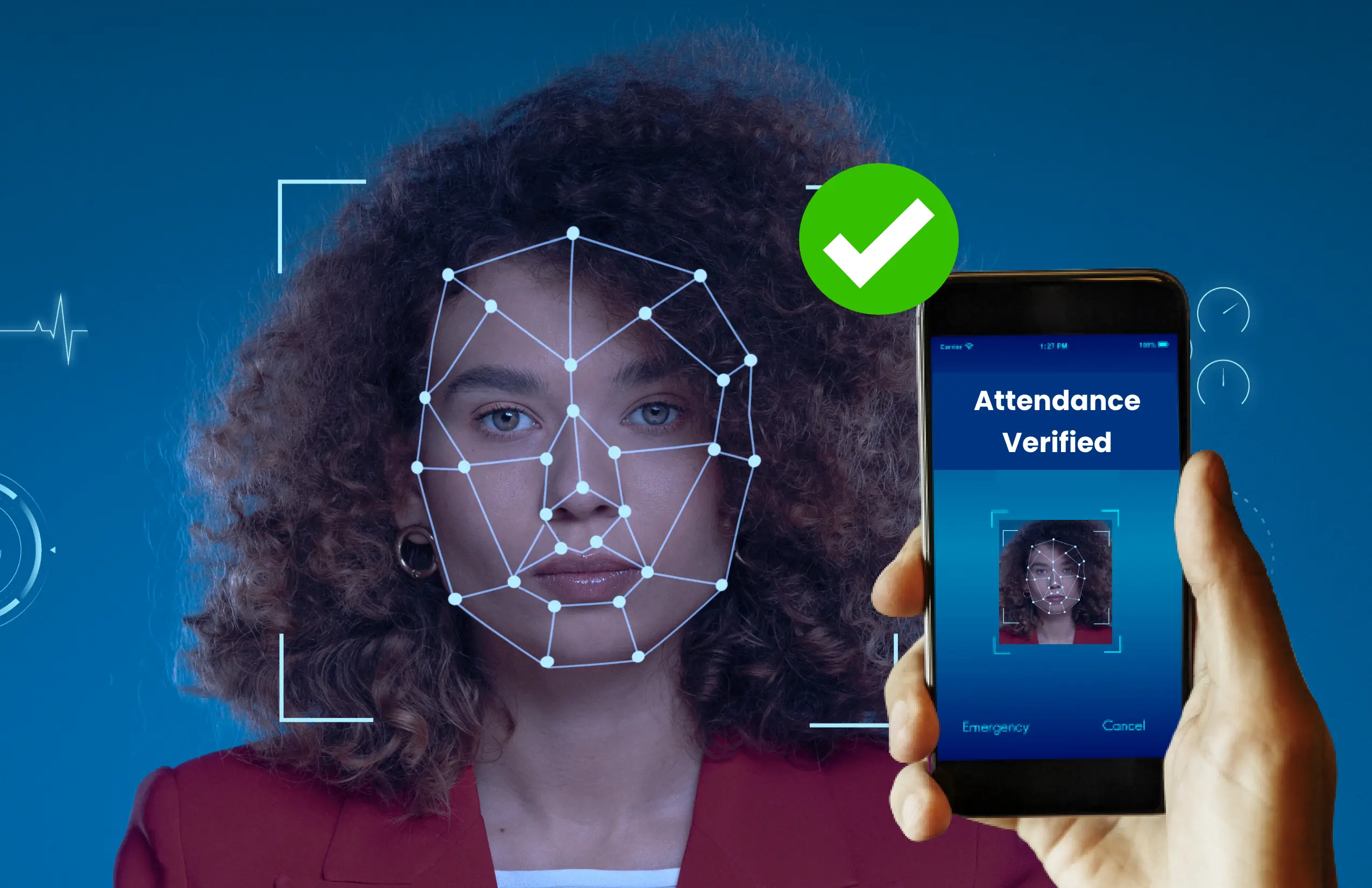
Face recognition: Detects, extracts, and compares facial features such as contours, eyes, and mouth to perform identification. Face recognition is used in many applications, such as mobile phone unlocking and access control systems.
Voiceprint recognition: Identifies an individual by extracting and comparing features from audio signals. Each person's voice has unique characteristics in spectrum and timbre that can be used for authentication.
Palmprint recognition: Measures and compares features on the palm skin, such as lines and spots. Palmprint patterns are unique, and this method is used in some scenarios.
Biometric data tend to be highly unique and stable for individuals, making them more secure and convenient than passwords or cards in many cases. However, their use raises privacy and data protection concerns that must be addressed when deploying biometric systems.
Basic principles of biometric recognition
The basic principle of biometric recognition is to collect, extract, and compare unique biological features of an individual to achieve authentication or identification.
Collection: First, biometric data such as fingerprints, iris, face, or voice are collected. These features can be captured using sensors, cameras, or microphones and converted into digital formats.
Feature extraction: Collected biometric data undergo preprocessing and feature extraction to isolate key characteristics from raw data. For example, fingerprint recognition extracts ridge details, while face recognition extracts facial contours and key landmarks such as eyes and mouth.
Matching: Extracted biometric features are compared against previously registered or stored templates. Templates are mathematical representations of features created during feature extraction and encoding. The matching process uses pattern-matching algorithms to compute similarity or difference between biometric features and determine a match.
Decision and output: A decision is made based on the matching result to determine whether authentication or identification succeeds. If similarity reaches a predefined threshold, the match is considered successful and the system reports authentication or identification success.
Different biometric methods vary in how they collect, extract, and match features, but they share the same core idea of using inherent biological traits for reliable identity verification.
Biometric system workflow
A typical biometric workflow includes the following steps:
1. Collect biometric data: Use sensors, cameras, or microphones to capture an individual's biometric features. Common features include fingerprints, iris, face, and voice.
2. Preprocessing and feature extraction: Preprocess collected data, for example by denoising or enhancing image quality or audio signals. Then extract key features from the preprocessed data for later matching.
3. Feature encoding: Convert extracted features into mathematical representations, producing a feature vector or template that can be used for comparison.
4. Store feature data: Store individuals' biometric data and corresponding templates in a database or secure storage for later matching.
5. Matching and recognition: When authentication or identification is required, newly collected biometric data are preprocessed and feature-extracted, then compared with stored templates. Similarity or difference metrics determine whether a match occurs.
6. Decision and output: Based on the matching result and preset thresholds or rules, the system determines whether the match is successful and outputs the result to the user or system for subsequent actions.
This outlines a basic biometric process. Specific applications and technologies vary, but most follow these steps to collect, extract, and compare biometric features for authentication or identification purposes.