ALLPCB


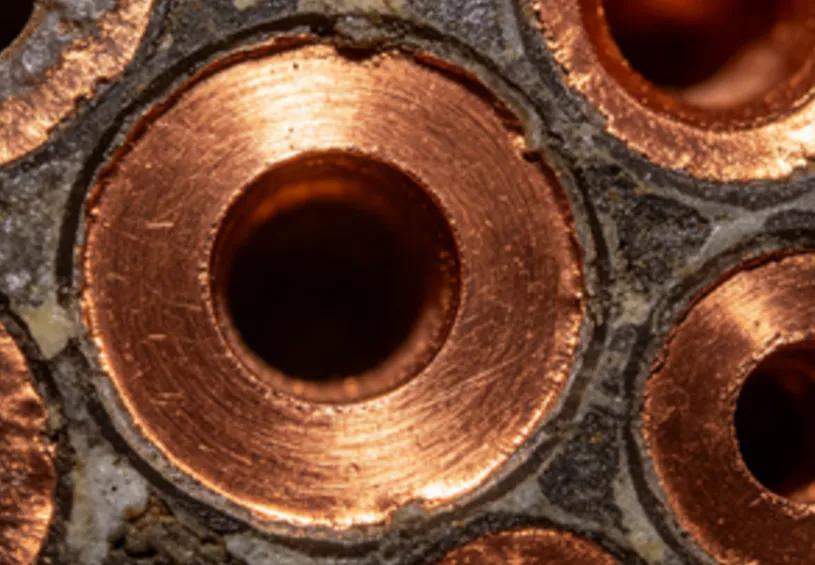
Heavy Copper PCBs are a game-changer in the world of electronics, offering unique advantages for high-power and high-performance applications. If you're wondering why you should consider using heavy copper PCBs, the answer lies in their ability to handle higher currents, manage heat effectively, and provide exceptional durability. Unlike standard PCBs with thinner copper layers, heavy copper PCBs feature copper thicknesses exceeding 3 ounces per square foot (oz/ft2), or about 105 micrometers (μm), making them ideal for demanding industries like automotive, industrial equipment, and power supply systems.
In this comprehensive guide, we'll dive deep into the benefits of heavy copper PCBs, exploring how their design enhances performance, reliability, and longevity. Whether you're an engineer designing complex circuits or a manufacturer seeking robust solutions, understanding these advantages can help you make informed decisions for your projects. Let’s explore the key reasons heavy copper PCBs stand out in modern electronics.
What Are Heavy Copper PCBs?
Before we delve into the benefits, let’s clarify what heavy copper PCBs are. Printed Circuit Boards (PCBs) are the foundation of most electronic devices, connecting components through conductive copper traces. Standard PCBs typically use copper layers of 1 oz/ft2 (about 35 μm thick), but heavy copper PCBs go beyond this, incorporating layers of 3 oz/ft2 or more. Some extreme copper designs even reach up to 20 oz/ft2, catering to specialized needs.
The thicker copper layers in these PCBs allow for greater current-carrying capacity and better thermal management. This makes them a preferred choice in applications where standard PCBs might fail under stress. With this foundation in mind, let’s look at the specific advantages that make heavy copper PCBs a valuable option.
Key Benefits of Heavy Copper PCBs
1. Higher Current-Carrying Capacity
One of the most significant benefits of heavy copper PCBs is their ability to handle much higher currents compared to standard PCBs. The thicker copper layers reduce electrical resistance, allowing more current to flow through the traces without overheating or degrading the board. For instance, while a 1 oz/ft2 copper layer might handle currents up to a few amperes before risking damage, a 5 oz/ft2 layer can manage significantly higher loads, often in the range of 20-30 amperes or more, depending on the design.
This makes heavy copper PCBs ideal for power electronics, such as inverters, motor controllers, and battery management systems, where high current is a constant requirement. By using these boards, engineers can design circuits that operate safely under heavy electrical loads without the need for additional cooling or oversized components.
2. Superior Thermal Management
Heat dissipation is a critical concern in high-power applications. Excessive heat can damage components, reduce performance, and shorten the lifespan of a device. Heavy copper PCBs excel in thermal management because the thicker copper layers act as a heat sink, efficiently spreading and dissipating heat away from critical components.
For example, in a power supply circuit operating at high currents, a heavy copper PCB with a thickness of 6 oz/ft2 can reduce thermal resistance by up to 50% compared to a standard 1 oz/ft2 board. This means less reliance on external cooling solutions like fans or heat sinks, which can save space and reduce costs in the overall design. Industries like automotive and renewable energy, where devices often operate in harsh conditions, benefit greatly from this feature.
3. Enhanced Mechanical Strength and Durability
Heavy copper PCBs are built to last. The thicker copper layers not only improve electrical and thermal performance but also add significant mechanical strength to the board. This makes them more resistant to physical stress, vibrations, and thermal cycling—conditions that can cause cracks or delamination in standard PCBs.
In applications like industrial machinery or military equipment, where devices are exposed to rough handling or extreme environments, heavy copper PCBs provide unmatched reliability. Their robust construction reduces the risk of failure, ensuring consistent performance over time. This durability translates to lower maintenance costs and fewer replacements, making them a cost-effective choice in the long run.
4. Reduced Risk of Circuit Failure
Circuit failures due to overheating or current overloads are a common issue in high-power electronics. Heavy copper PCBs minimize this risk by offering lower resistance and better heat distribution. The reduced resistance means less voltage drop across the traces, ensuring that components receive the correct power levels without fluctuations.
Additionally, the ability to withstand thermal stress prevents issues like solder joint fatigue, which can occur when a PCB expands and contracts due to temperature changes. By maintaining stable operating conditions, heavy copper PCBs help extend the lifespan of the entire system, making them a reliable choice for critical applications.
5. Support for High-Power Density Designs
As electronic devices become smaller and more powerful, achieving high power density in a compact space is a growing challenge. Heavy copper PCBs address this by allowing designers to pack more power into a smaller footprint. The thick copper layers can carry high currents without requiring wider traces, which saves valuable board space.
For instance, in a compact power converter, using a heavy copper PCB with 10 oz/ft2 layers can enable the same current capacity as a much larger standard PCB, while reducing the overall size by up to 30%. This is particularly beneficial in portable devices, automotive electronics, and aerospace systems where size and weight are critical factors.
6. Cost-Effective for High-Power Applications
While heavy copper PCBs may have a higher upfront cost due to the increased material and manufacturing complexity, they often prove to be more cost-effective over time. Their ability to handle high currents and manage heat reduces the need for additional components like external heat sinks, cooling fans, or redundant circuits. This can lower the overall system cost and simplify assembly processes.
Moreover, their durability and resistance to failure mean fewer repairs or replacements, saving money on maintenance. For industries dealing with high-stakes applications, such as energy storage or industrial automation, the long-term savings and reliability of heavy copper PCBs far outweigh the initial investment.
Applications of Heavy Copper PCBs
The benefits of heavy copper PCBs make them a top choice across various industries. Here are some common applications where their unique properties shine:
- Automotive Industry: Used in electric vehicle battery systems and powertrain controllers, where high current and heat management are essential.
- Power Supply Systems: Ideal for inverters, converters, and uninterruptible power supplies (UPS) that require stable high-current performance.
- Industrial Equipment: Found in heavy machinery and control systems that operate under harsh conditions and need robust, durable boards.
- Renewable Energy: Employed in solar inverters and wind turbine controllers to handle high power loads efficiently.
- Military and Aerospace: Used in radar systems and communication devices that demand reliability in extreme environments.
Design Considerations for Heavy Copper PCBs
While the advantages of heavy copper PCBs are clear, there are a few design and manufacturing considerations to keep in mind. The thicker copper layers can make etching and plating processes more complex, potentially increasing production time and cost. Additionally, the added weight of the copper may require adjustments in the board’s structural design to ensure proper support.
Engineers should also consider the thermal expansion properties of the materials used in the PCB to prevent issues like warping during operation. Partnering with an experienced manufacturer can help address these challenges, ensuring that the final product meets the required specifications without compromising on quality.
Limitations of Heavy Copper PCBs
Despite their many benefits, heavy copper PCBs are not the best fit for every application. Their higher cost and manufacturing complexity may not be justified for low-power devices or budget-constrained projects. Additionally, the increased thickness and weight can be a drawback in applications where lightweight designs are a priority, such as in certain consumer electronics.
However, for high-power, high-reliability applications, the advantages of heavy copper PCBs often outweigh these limitations, making them a strategic choice for engineers and manufacturers.
Why Choose Heavy Copper PCBs for Your Next Project?
Heavy copper PCBs offer a powerful combination of high current capacity, excellent thermal management, and unmatched durability. They are specifically designed to meet the demands of modern electronics, where performance and reliability are non-negotiable. By incorporating thicker copper layers, these boards provide a robust solution for industries ranging from automotive to renewable energy, ensuring that devices operate safely and efficiently even under extreme conditions.
If your project involves high-power applications or challenging environments, heavy copper PCBs can deliver the performance you need while reducing the risk of failure and minimizing long-term costs. Their ability to support compact, high-density designs also makes them a forward-thinking choice for the future of electronics.
Conclusion
In summary, the benefits of using heavy copper PCBs are numerous, from handling higher currents and dissipating heat effectively to offering superior strength and reliability. These advantages make them an essential component in industries where standard PCBs simply can’t keep up. By understanding and leveraging the unique properties of heavy copper PCBs, engineers and manufacturers can create cutting-edge solutions that stand the test of time.
Whether you're working on a power supply system, an electric vehicle, or industrial machinery, heavy copper PCBs provide the foundation for success. Their ability to meet the rigorous demands of high-performance applications ensures that your designs not only function as intended but also exceed expectations in terms of longevity and efficiency.