ALLPCB


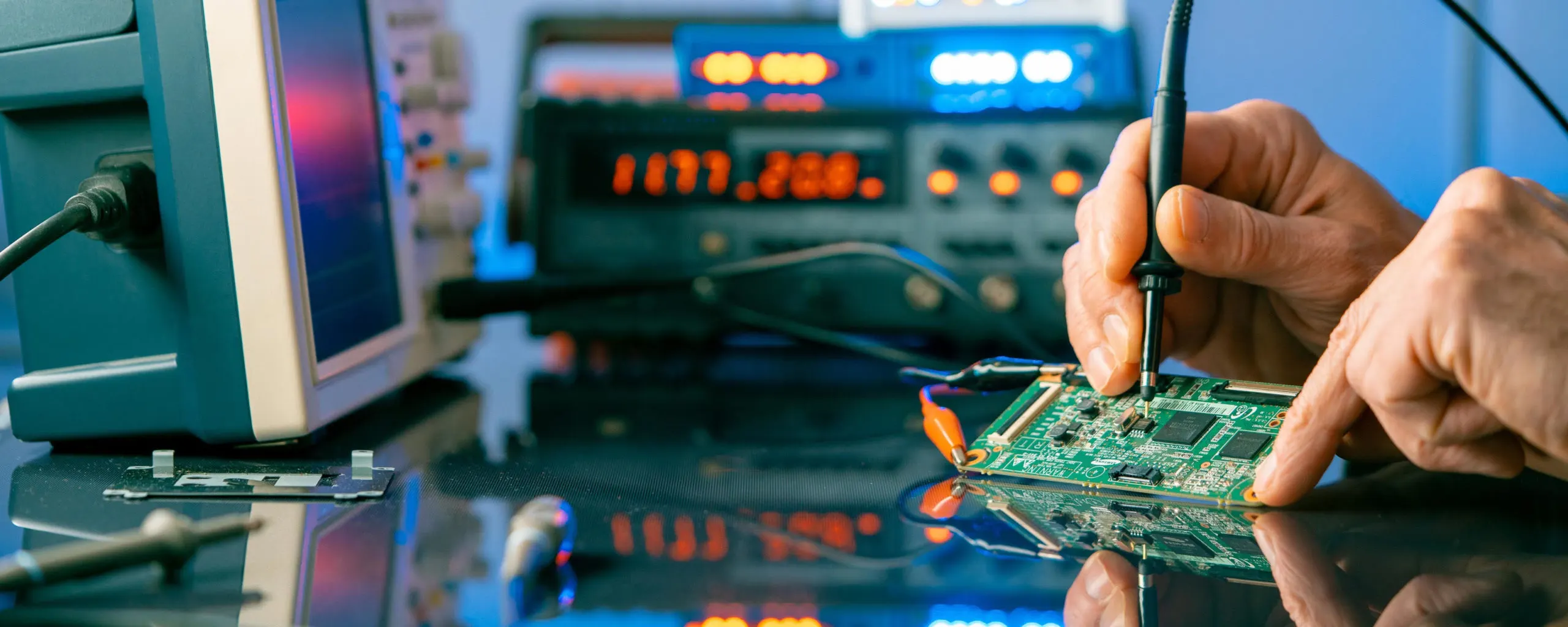
In embedded systems software testing projects, reports and traceability are essential for ensuring reliability, compliance, and overall quality. They support effective project management, facilitate maintenance and debugging, and provide necessary documentation for audits and continuous improvement.
Reason 1: Compliance
Embedded systems are commonly used in safety-critical domains such as automotive, aerospace, medical devices, and industrial control. These industries are subject to strict regulations and standards, for example ISO 26262, DO-178C, and IEC 62304. Comprehensive reports and traceability help demonstrate conformity with industry standards and reduce legal and compliance risks.
Reason 2: Quality and Reliability
Detailed reports provide clear visibility into system quality and performance. Traceability ensures each requirement is tested and verified, reducing the risk of defects and failures.
Reason 3: Debugging and Maintenance
Traceability enables developers to track the origin of requirements and their associated test cases. When defects are found, traceability helps identify the affected requirements and tests that need reevaluation. This makes debugging and maintenance more efficient, saving time and resources.
Reason 4: Project Management
Comprehensive reports give stakeholders clear and accurate information about test progress and status. This transparency improves communication among team members, project managers, and clients, supporting better decision making and project control.
Reason 5: Continuous Improvement
Detailed reporting and traceability records allow teams to analyze past projects, identify patterns, and determine areas for improvement. Historical data supports continuous refinement of testing processes and methodologies, leading to higher overall product quality.
Reason 6: Clear Accountability
Traceability links each requirement to specific tests and responsible developers, promoting accountability. It helps identify who is responsible for particular parts of the project and ensures tasks are completed accurately and efficiently.
Reason 7: Audit Readiness
Audits and reviews are common in regulated industries. Detailed reports and traceability provide the evidence needed to show that all requirements were appropriately tested and verified. These documents are critical for passing audits and maintaining certification.
Reason 8: Managing Complexity
Embedded systems can be highly complex, with many hardware and software components interacting in various ways. Traceability helps manage that complexity by providing a clear mapping of where requirements are implemented and tested across the system.
Reason 9: Risk Management
By ensuring all requirements are tested and verified, traceability helps identify and mitigate risks early in development. It ensures critical functions are not overlooked and that potential issues are addressed before they become major problems.
Tool note: TESSY
TESSY is a unit and integration testing tool for embedded systems. It can generate test specifications, execute tests, and produce reports, providing a consistent traceability record. TESSY supports safety-related software development requirements for standards such as IEC 61508/ISO 26262, IEC 62304, and EN 50128.