ALLPCB


01 Temperature sensors
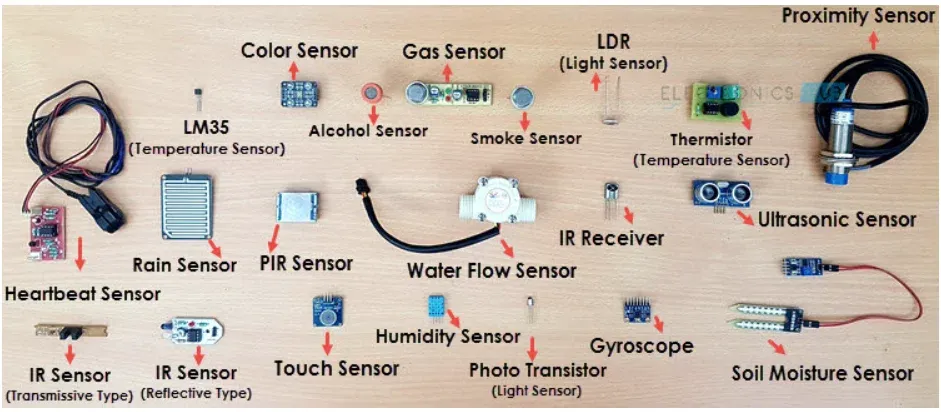
Temperature sensors measure thermal energy, allowing detection of temperature changes and conversion of those changes into data. They are widely used in manufacturing, where equipment and environmental temperatures must be kept within specified ranges, and in agriculture, where soil temperature is a key factor for crop growth. Temperature sensors are also critical in cold-chain applications such as vaccine, blood, and pharmaceutical storage, where precise and stable measurements are required.
02 Humidity sensors
Humidity sensors measure the amount of water vapor in air or other gases. They are commonly used in heating, ventilation, and air conditioning (HVAC) systems in industrial and residential settings. Other applications include hospitals and meteorological stations for weather reporting and forecasting.
03 Pressure sensors
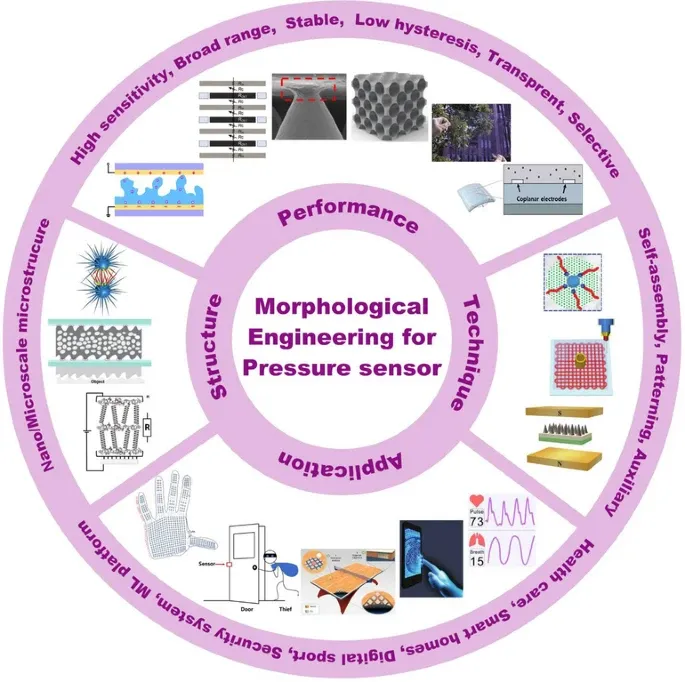
Pressure sensors detect changes in gases and liquids. When pressure varies, the sensor registers the change and reports it to connected systems. Typical use cases include leak testing and monitoring water distribution systems, where pressure fluctuations or drops indicate faults.
04 Proximity sensors
Proximity sensors perform non-contact detection of objects near the sensor. These sensors typically emit an electromagnetic field or radiation such as infrared. Use cases include indicating parking space availability in parking lots, presence detection in retail and transport hubs, and object detection on assembly lines in chemical, food, and other manufacturing environments.
05 Liquid level sensors
Liquid level sensors detect the level of liquids, powders, and granular materials. They are used across industries including oil and gas, water treatment, beverage, and food manufacturing. Waste management systems also use level sensors to monitor fill levels in bins and containers.
06 Accelerometers
Accelerometers measure acceleration, the rate of change of an object's velocity over time, and can also sense changes in gravity. Applications include step counting in wearable devices, fleet monitoring, and theft detection, where movement of an object that should remain stationary triggers an alert.
07 Gyroscopes
Gyroscopes measure angular rate or rotational velocity around an axis. Typical applications include automotive navigation and electronic stability control systems, motion sensing in video games, and camera stabilization and shake detection systems.
08 Gas sensors
Gas sensors monitor and detect changes in air quality, including the presence of toxic, combustible, or otherwise harmful gases. Industries that use gas sensors include mining, oil and gas, chemical manufacturing, and laboratory research. Consumer applications include household carbon monoxide detectors.
09 Infrared sensors
Infrared sensors detect or emit infrared radiation to perceive environmental features, and can measure the heat emitted by objects. They are used in a variety of IoT projects, including healthcare applications for simplified monitoring of blood flow and pressure. Infrared sensors are also used to interpret remote control signals and in art conservation to reveal underlayers in paintings.
10 Optical sensors
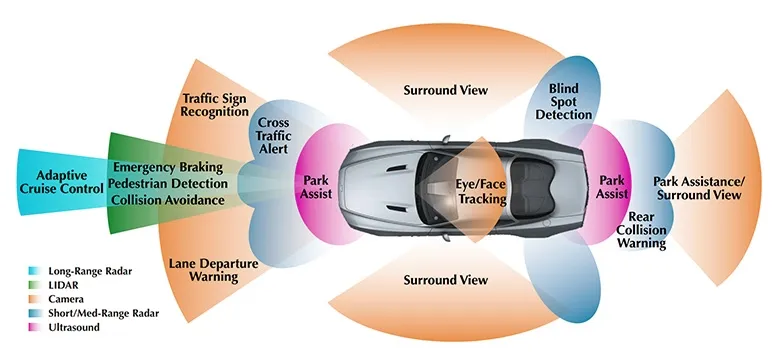
Optical sensors convert light into electrical signals and have many applications. In the automotive sector, optical sensors are used to detect signs, obstacles, and other objects relevant to driving and parking. Optical sensors play a significant role in autonomous vehicle development. They are common in smartphones—for example, ambient light sensors help extend battery life—and are used in biomedical devices such as respiration and heart-rate monitors.