ALLPCB


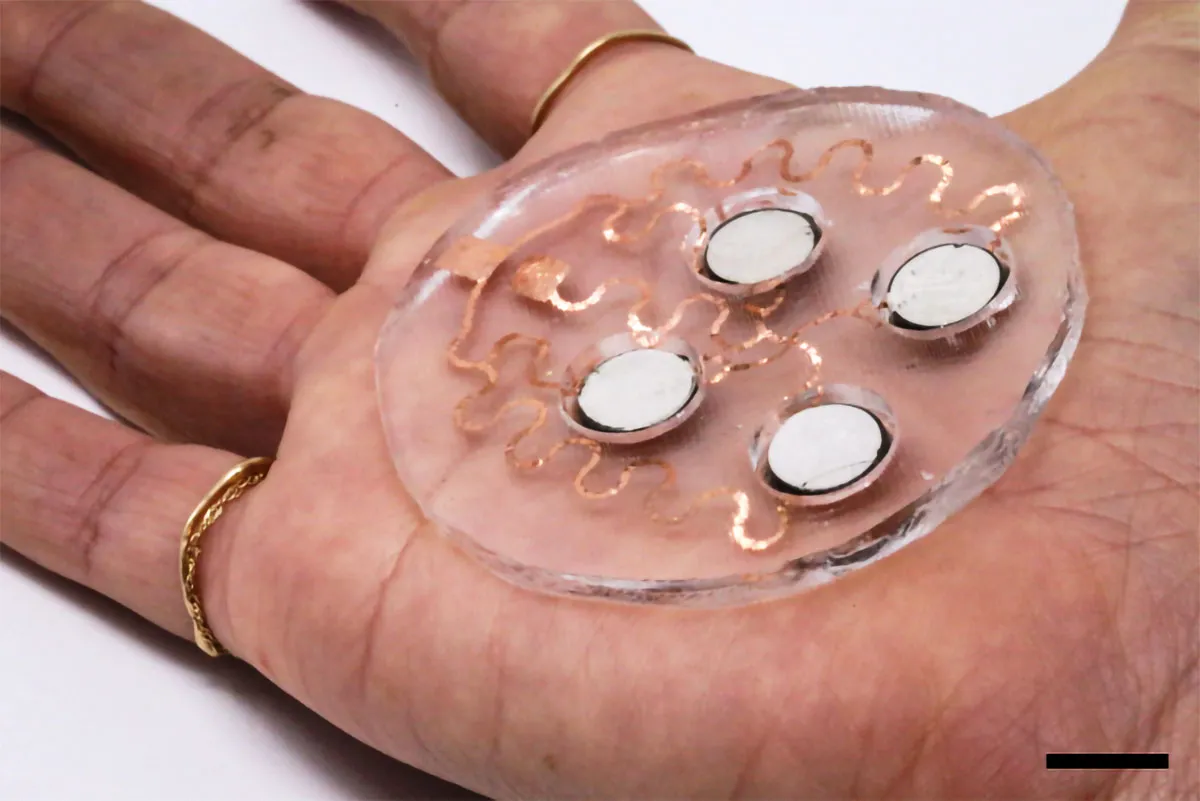
Researchers at the Massachusetts Institute of Technology have developed a wearable ultrasound patch designed to enhance transdermal drug delivery. The device aims to increase local drug penetration through the skin for applications such as wound healing, pain relief, and dermatological treatments. The team is optimizing the system for human trials and exploring versions for internal implantation.
Background
Topical delivery is attractive because it can concentrate drugs at the site of need without exposing the whole body to higher systemic doses. However, the outer layer of the skin is a strong barrier to most small molecules. To address this, the MIT team created a lightweight wearable patch that applies painless ultrasound to the skin and creates transient microchannels that increase drug permeability compared with passive diffusion or microneedle approaches.
Device design
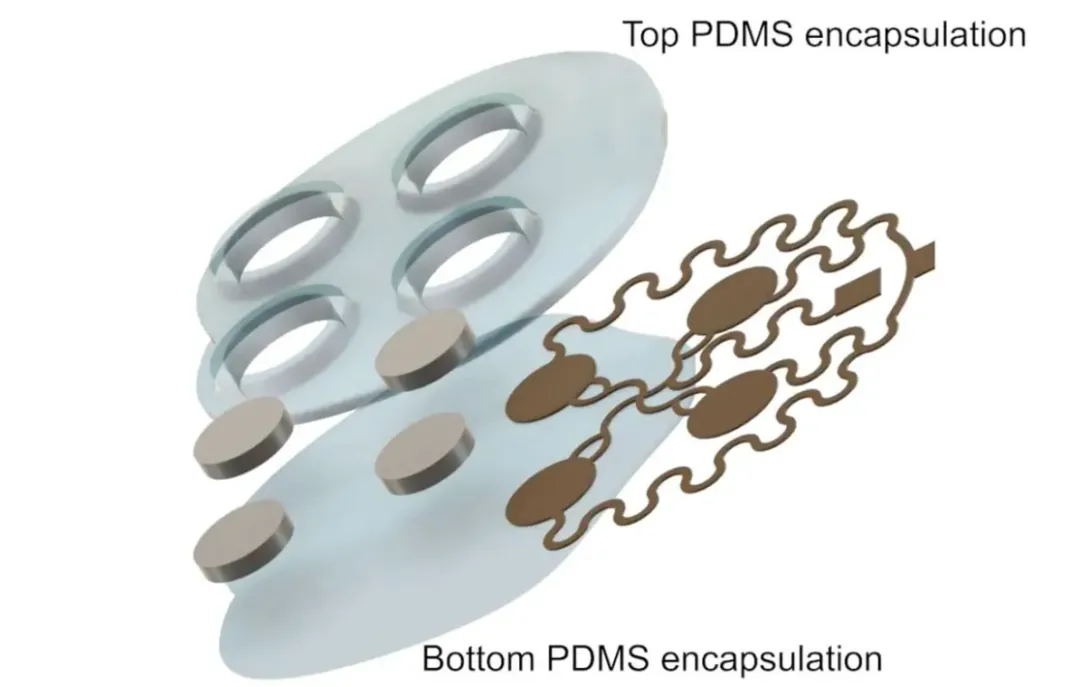
The patch is made from PDMS (polydimethylsiloxane) and adheres to the skin without tape. Several disk-shaped piezoelectric transducers are embedded in the patch. Each disk sits in a polymer cavity that contains the drug dissolved in a liquid. When voltage is applied to the piezo elements, they generate pressure waves in the fluid that form bubbles which collapse at the skin surface. The resulting microjets mechanically disrupt the stratum corneum, enabling increased drug penetration.
Experimental results
The device was tested with niacinamide, a B vitamin commonly used in topical formulations. In experiments using porcine skin, niacinamide delivered with the ultrasound patch showed 26 times greater transdermal penetration than passive application without ultrasound. The team also compared the patch to microneedle delivery and found that the patch delivered the same amount of niacinamide in 30 minutes that microneedles delivered in six hours.
With the current configuration, drugs penetrated to depths of several millimeters, which is suitable for locally acting intradermal therapies such as treatments for age spots or topical agents used in burn healing. The researchers note that further improvements in penetration depth could enable delivery of drugs that must reach the bloodstream, including caffeine, fentanyl, or lidocaine.
Potential applications and next steps
The investigators describe potential uses including topical dermatological agents, hormones such as progesterone, and local administration of muscle relaxants. They are also evaluating the feasibility of implantable versions of the device for systemic disease treatment. Future work includes optimizing the wearable patch for human volunteer studies and repeating in vitro experiments with larger drug molecules to characterize their permeation profiles.
"This approach opens possibilities for using vibrations to enhance drug delivery," said one of the study authors. "Several parameters can generate different waveform patterns. Both mechanical and biological aspects of drug delivery can be tuned with this tool set."