ALLPCB


Recently, VR has become extremely popular. Many readers still do not understand what VR actually is, how VR differs from AR, and what MR and CR refer to. This article addresses those questions.
Virtual Reality (VR)
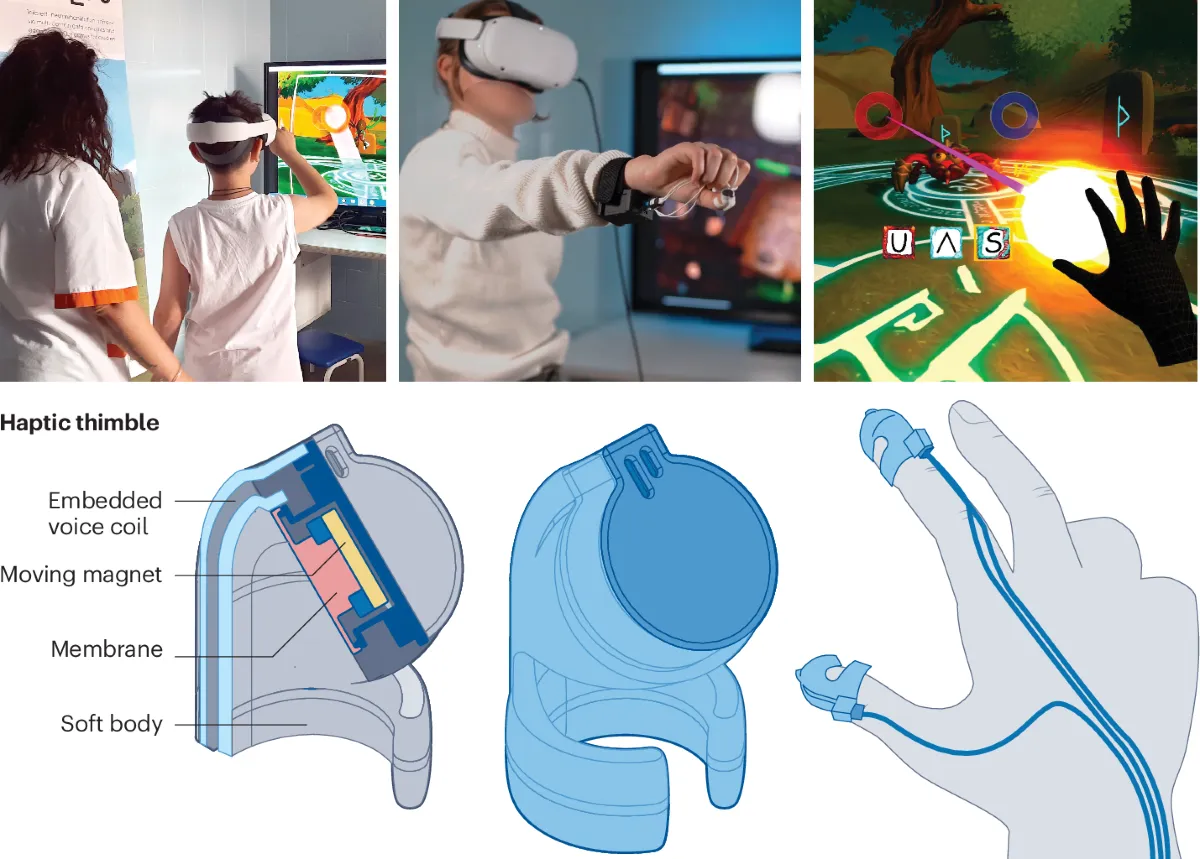
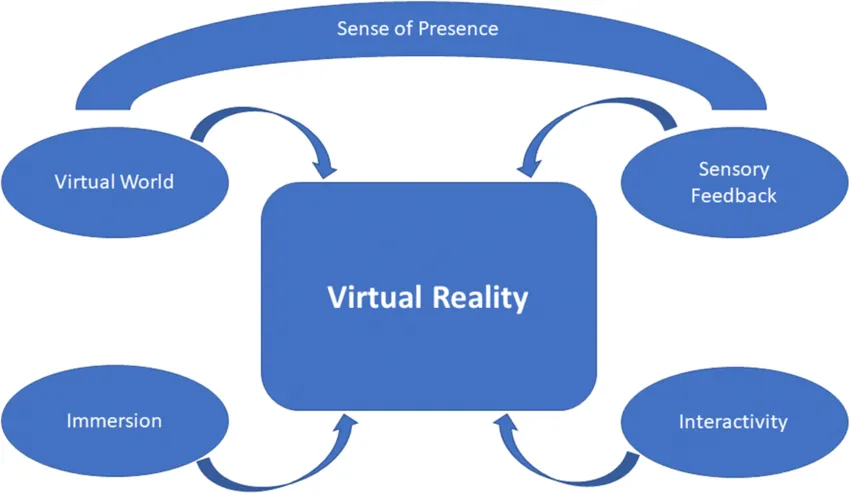
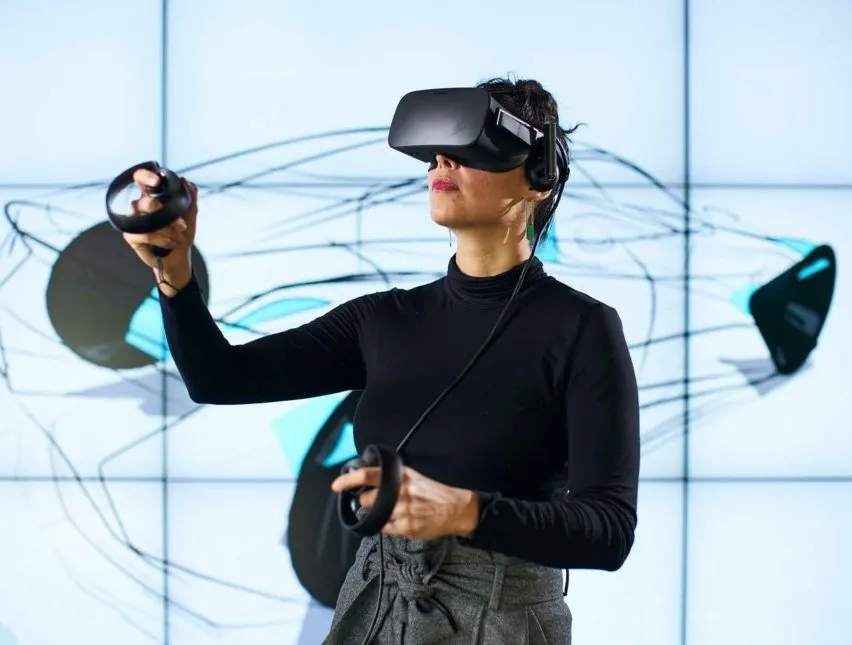
Virtual reality (VR) uses computing devices to generate a three-dimensional virtual environment and provide sensory simulations such as visual and auditory feedback, producing a strong sense of immersion and presence. In other words, everything you see is computer-generated. Typical output devices include Oculus Rift and HTC Vive.
Augmented Reality (AR)
Augmented reality (AR) overlays virtual information onto the real world. Typical AR systems include in-vehicle head-up displays and smartphone-based systems. Google Glass is a well-known AR device.
Many automobiles integrate AR into their in-vehicle systems. For example, some manufacturers project virtual images onto the windshield so drivers do not need to look down at instrument panels, allowing them to keep their heads up. This reduces the chance of missing rapid changes in the external environment during head-down/head-up transitions, and it mitigates discomfort or delay caused by constant focal adjustments. AR can also help drivers better perceive road conditions and improve safety.
Smartphones host many AR applications, although they are not always labeled as AR. For example, location-based services can display information about a building when the camera is pointed at it, such as name and floor details. Other apps perform real-time head tracking and overlay virtual elements like hats, rainbows, or animal ears onto the user's head.
Devices like Google Glass project virtual images via a microprojector on the glasses so the user sees the real world with virtual overlays. The differences between such devices and systems like HoloLens or Magic Leap will be discussed further below.